




Cutter Chrysler Dodge Jeep Ram Fiat Honolulu

Blog

All Blog Cutter Chrysler Dodge Jeep Ram Fiat Honolulu Service Honolulu Jeep Dealer Honolulu CDJRF Dealer Honolulu Dodge Dealer Driving Tips Honolulu Fiat Dealer Honolulu RAM Dealer
jeep grand wagoneer honolulu
in Honolulu CDJRF Dealer

Jeep Grand Wagoneer Honolulu for Family Space and Comfort

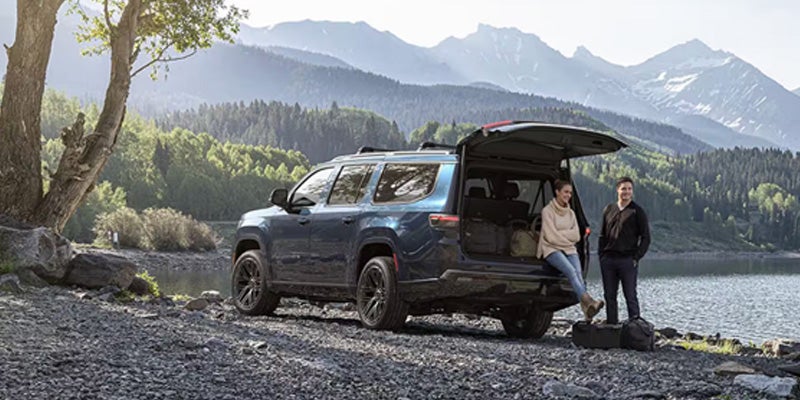
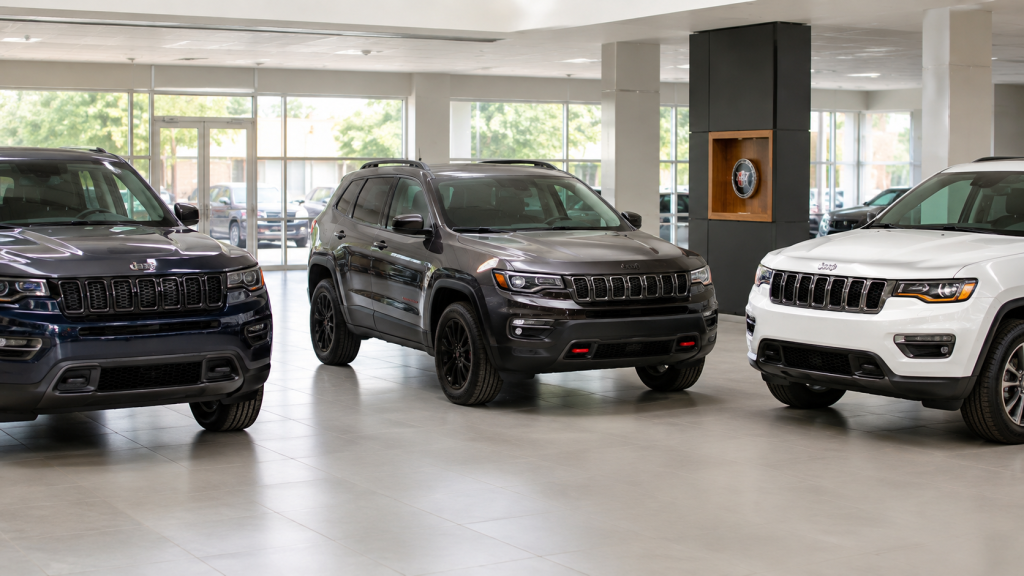
Jeep Grand Wagoneer Honolulu families may consider when three rows must carry people and gear on the same trip. The cabin combines flexible seating, generous row space, and rear storage in one full size SUV. However, family fit comes from more than the number of seats. Second row layout, third row access, cargo room, and passenger controls all shape the day. Therefore, a useful review starts with how your family moves through the cabin. Grand Wagoneer Space for Honolulu Families What makes Jeep Grand Wagoneer Honolulu worth considering for a larger family? It gives families three rows with seating for up to eight people. However, the strongest cabin advantage is how that space is divided among passengers and gear. Second row room gives adults and older children space to sit without crowding the front seats. In addition, generous legroom can make child seat installation easier to manage. Families should still test their own seats before choosing a configuration. Different child seats use different widths and attachment points. more The third row also deserves a real test before choosing any three row SUV. Sit there with the second row placed where regular passengers need it. Therefore, you can check knee room, foot room, head clearance, and access in one visit. Jeep Grand Wagoneer Honolulu shoppers should also consider who rides where most days. A family with small children may prioritize easy access to row three. By contrast, a family carrying more adults may place greater weight on second and third row space. Seven or Eight Passenger Seating Should your family choose captain chairs or the available second row bench? Captain chairs create a center path, while the bench adds another seating position. Therefore, the choice changes both passenger count and movement through the cabin. Captain chairs can make row three access easier because passengers can move between the second row seats. In addition, children may reach the rear row without folding a seat each time. That path can also help when one second row position holds a child seat. The available bench raises total seating to eight. Therefore, it may suit larger households or families who carry extra passengers regularly. The tradeoff is a different path toward the third row. Before choosing, test the seating arrangement with your normal passenger mix: Place child seats in the positions you expect to use and check access to the third row. Have adult passengers sit in rows two and three so everyone can judge knee room and entry space. Fold and slide the seats yourself so you know how the layout works during school runs or weekend trips. Jeep Grand Wagoneer Honolulu families may find that seating arrangement matters more than the maximum passenger number. For this reason, compare both layouts before choosing a trim. Cargo Room With Three Rows in Use How much does cargo space matter with all three rows occupied? It is the storage left behind row three without removing passenger seating. Therefore, that rear area deserves attention before maximum cargo figures. Beach bags, groceries, sports equipment, strollers, and luggage can fill rear space quickly. In addition, families may carry several of those items on one outing. Maximum cargo volume cannot answer that question when the seats must stay raised. Jeep Grand Wagoneer Honolulu shoppers should open the rear hatch and study the usable floor area. Check width between the side panels, floor depth, and liftgate clearance. Moreover, bring a stroller or large bag if rear storage is a major concern. A few checks can make the comparison more useful: Load the largest item you carry regularly and see what room remains beside it. Keep row three raised while testing bags so the cabin matches a full passenger trip. Check how easily smaller items can be reached without unloading everything around them. The standard Grand Wagoneer can handle many family trips with all rows available. However, families carrying more gear may want to compare the longer L body. That extra rear length can create more storage behind the passenger cabin. Rear Passenger Technology for Family Travel Do rear entertainment screens make sense for island family travel? They can give rear passengers built in viewing without relying only on handheld devices. The available dual 10.1 inch screens include Amazon Fire TV Built In. That setup can be useful during longer drives across Oahu. In addition, separate screens let rear passengers choose different content. Parents should still review connectivity needs and account access before relying on streaming during a trip. Jeep Grand Wagoneer Honolulu families can also review second row climate and seat controls on qualifying models. Separate controls give rear passengers more direct access to cabin settings. Therefore, adults and older children can make adjustments without asking the front row each time. Technology should still match the family routine. Some households may prefer simple controls and personal devices. Others may value integrated screens and separate rear controls for longer drives. Before selecting a trim, sit in the second row and use the controls yourself. Moreover, check screen placement, menus, charging access, and climate controls. Those details show whether the cabin technology fits how your passengers travel. Grand Wagoneer or Grand Wagoneer L When should a family consider Grand Wagoneer L? The longer body makes the strongest case when three rows stay occupied and cargo needs remain high. Therefore, the decision centers on rear storage more than passenger count. Both body lengths keep the broad three row format. However, the L gives families more room behind the cabin for luggage and larger gear. That can matter for airport runs, beach days, sports weekends, or extended family outings. Jeep Grand Wagoneer Honolulu shoppers should also think about parking space and home garage length. More cargo room comes with more exterior length. Therefore, measure the places where the SUV will spend the most time. A family that rarely fills the rear cargo area may prefer the standard body. By contrast, families carrying gear behind an occupied third row may favor the L. The useful choice comes from matching cabin space with the trips you already make. Cutter Chrysler Dodge Jeep Ram FIAT Honolulu can place available Grand Wagoneer models side by side for a closer look. Bring the passengers and gear that shape your normal week. Then test seating access, rear storage, controls, and body length before choosing the version that fits your family.

Read More
how to remove car scratches

How to Remove Car Scratches and Know When to Get Help

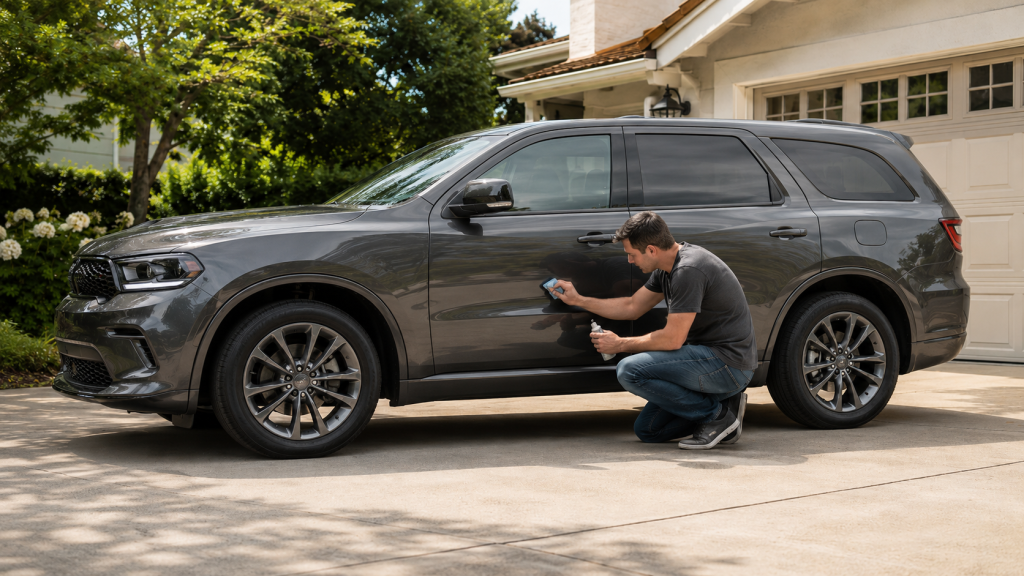
How to remove car scratches safely starts with knowing how deeply the mark reaches into the finish. A faint scuff needs a different repair from exposed primer or metal. Therefore, begin with inspection before reaching for compound, polish, or touch up paint. The goal is to match the repair method to the damaged paint layer. That approach can reduce unnecessary abrasion and keep a small mark from becoming a larger repair. Identify How Deep the Scratch Goes Automotive paint has several layers that protect the body panel and create its finished color. The clear coat sits on top and protects the color layer below it. Beneath the color layer sits primer, which helps paint bond to the panel. Therefore, scratch depth tells you which repair methods can work. How can you tell how deep a scratch is? Start with clean paint, bright light, and a gentle fingernail check. A mark that does not catch your nail may stay within the clear coat. However, a groove that catches your nail may reach deeper into the finish. more In addition, color inside the scratch provides clues. A mark showing a different color may have passed through the upper paint layer. Primer can appear gray, while exposed metal may look bright or dark. Therefore, polishing should stop when missing paint becomes visible. Moreover, inspect the entire mark before choosing a product. Some scratches change depth from one end to the other. In addition, dirt inside the groove can make damage look worse than it is. Clean inspection gives you a clearer starting point. Separate Surface Transfer From Paint Damage A scuff can look severe even when another material sits on top of the clear coat. Paint transfer can happen when another painted object rubs against the body panel. Rubber, plastic, and road debris can also leave surface marks. Therefore, cleaning should come before abrasive correction. Is the mark a scratch or transferred material? Surface transfer sits on the finish, while a true scratch cuts into it. Wash the area with automotive soap and water first. Then dry it with a clean microfiber towel and inspect the mark again. If some color disappears during washing, the remaining mark may be much lighter than expected. However, avoid aggressive household cleaners because they can damage wax, sealant, or paint. A dedicated automotive cleaner gives you more control. After cleaning, use your fingertip and nail to inspect the remaining line. A smooth surface with visible residue may need gentle removal instead of paint repair. By contrast, a groove you can feel needs a depth based repair plan. Before applying any abrasive product, confirm three things: The area is clean and free of grit that could create new scratches during rubbing. The remaining mark stays within the clear coat and does not show primer or bare metal. The product label matches painted automotive surfaces and the repair method you plan to use. These checks can keep a surface scuff from turning into unnecessary paint correction. Can You Buff Out Minor Car Scratches at Home? Can you buff out minor car scratches at home? A buffable scratch is shallow damage that remains within the clear coat. Mild compound or polish uses fine abrasives to smooth the edges around that mark. Therefore, reflected light becomes less likely to highlight the groove. Scratch remover does not replace missing paint. Instead, it removes a very small amount of surrounding clear coat. That process levels the surface enough to reduce the mark's visibility. For this reason, more pressure is not always better. Work on a cool, clean panel away from direct sun. Apply a small amount of product with a clean applicator. Then use light pressure and short passes according to the product instructions. In addition, inspect the area between passes instead of polishing continuously. Stop once the mark has faded as much as the shallow correction allows. Continuing after that point removes more clear coat without fixing deeper paint loss. Therefore, a visible groove can remain even after the surrounding surface looks smoother. DIY car scratch repair works best when the mark is narrow, shallow, and confined to the clear coat. Larger areas or uncertain depth deserve more caution. Deeper Scratches Need Paint Restoration What if the scratch catches a fingernail or shows another color underneath? Those signs can point to damage below the clear coat. Once color coat or primer is missing, polishing cannot rebuild the lost material. Therefore, stronger compound is not the answer. Therefore, a small isolated mark may accept exact color matched touch up paint. The repair needs the correct paint code and careful preparation. In addition, the damaged spot must be clean before new material goes onto it. Touch up work aims to replace missing color and protect the exposed area. However, it may not create the same smooth finish as a larger refinishing repair. The result can still reduce visibility and protect a small chip or narrow scratch. Bare metal needs prompt attention because the protective paint layers no longer cover the panel. Moisture can reach the exposed surface directly. Therefore, delaying repair can allow corrosion to start around the damaged area. Avoid sanding deep scratches unless you have the tools and skill for controlled paint correction. Sanding removes coating material quickly. A mistake can widen the damaged area or create a dull patch around the original scratch. Know When Home Repair Should Stop When should DIY car scratch repair stop? Stop when the damage reaches primer, exposes metal, covers a large area, or has uncertain depth. Those signs call for a repair method beyond simple polishing. Professional repair may also make sense when the scratch crosses several body contours. Curves and edges can have less paint thickness than broad flat areas. Therefore, aggressive correction near an edge can remove clear coat faster than expected. Before deciding, look at the size, depth, location, and color loss. A short clear coat mark may be manageable at home. By contrast, a long groove through several layers needs paint restoration. If you are unsure, take clear photos and have the damage inspected before sanding or using strong compound. Cutter Chrysler Dodge Jeep Ram FIAT Honolulu can review visible paint damage and discuss an appropriate repair path. In addition, the team can explain whether the mark needs polishing, touch up work, or a deeper repair. The safest home approach is simple. Clean first, identify the damaged layer, and use the mildest method that matches the mark. If the scratch reaches deeper paint layers, stop before removing more material and get repair guidance.

can you trade in a leased vehicle

Can You Trade In a Leased Vehicle Before Lease End

Can you trade in a leased vehicle before the contract ends? Yes, but the lease payoff must be reviewed before the appraisal can show the financial outcome. A leased vehicle still belongs to the leasing company during the contract term. Therefore, the dealership must account for that obligation before any trade value can move into another transaction. The process becomes clearer once you separate the payoff, appraisal, and remaining lease terms. Trading Before the Lease Ends Can you trade in a leased vehicle before lease end? Yes, if the leasing company permits the transaction and the lease obligation can be satisfied. The dealership first needs an exact payoff from the leasing company. Therefore, the trade process begins with the contract, not the vehicle appraisal alone. The payoff tells the dealership what amount must be sent to close the lease. In addition, that figure may reflect remaining payments, fees, or other contract amounts. The leasing company may also use a dealer payoff that differs from a customer buyout quote. more A trade in leased car transaction also requires an appraisal. The appraisal gives the dealership a current value for the vehicle. Therefore, the payoff and appraisal must be reviewed together before anyone can see the financial result. Timing also matters because a lease near maturity may have fewer remaining obligations. An earlier trade can carry a higher payoff. For this reason, ask for a current payoff instead of relying on an older statement. Payoff and Residual Value Are Different Is the residual value the same as the current payoff? No. Residual value is the contract amount tied to the vehicle at the scheduled lease end. The current payoff is the amount needed to settle the lease now. That distinction matters when you review lease trade in value. A residual figure by itself does not show what the dealership must send today. Therefore, the current payoff should be used beside the appraisal. The vehicle appraisal serves a different purpose. It reflects what the dealership is willing to offer for the vehicle now. In addition, mileage, physical condition, equipment, service history, and current market demand can shape that offer. The three numbers should stay separate: Residual value is the contract amount connected with the scheduled lease end and possible purchase terms. Current payoff is the amount required to satisfy the lease at the time of the proposed trade. Appraisal value is the dealership offer for the vehicle after its current condition and market position are reviewed. Once those figures are clear, the lease trade in value becomes easier to follow. Therefore, avoid using the residual value as a substitute for the current payoff. What Happens When the Lease Has Equity What happens if the leased car has equity? Positive equity exists when the appraisal is higher than the current payoff. The difference may be available within the next transaction if the leasing company permits that path. Consider an appraisal of $30,000 against a payoff of $28,000. The difference is $2,000. That amount may be applied within the next purchase or lease structure. However, the exact handling must match the lessor rules and transaction paperwork. The opposite result creates a shortfall. If the payoff is $30,000 and the appraisal is $28,000, the difference is $2,000. That amount still needs to be resolved before the old lease obligation is fully closed. A shortfall may be paid separately or included within another financing structure when permitted. Therefore, the final paperwork should show where that amount goes. Review the figures before signing so the old lease balance does not become confusing later. A lease trade in value close to the payoff creates a third outcome. In that case, the dealership offer may settle the lease with little remaining difference. Therefore, the appraisal and payoff relationship matters more than either number by itself. Timing and Leasing Company Rules Matter Can any dealership take a leased vehicle as a trade? Not always. The leasing company owns the vehicle and controls which transaction paths it accepts. Some lessors restrict third party transactions or require specific payoff procedures. Therefore, the dealership should verify the lessor rules before treating the trade as complete. A strong appraisal does not override the lease contract. In addition, the allowed process can change who may send the payoff and who may receive title. Trading earlier in the lease can also change the numbers. More remaining payments can raise the payoff relative to the vehicle value. By contrast, a lease closer to maturity may have a smaller gap between those figures. Before moving forward, review a few items with the dealership: Confirm the exact payoff date because payoff quotes can change after daily charges or scheduled payments. Confirm whether the lessor permits the dealership to complete the trade under its current rules. Review any remaining lease charges so the final transaction does not hide an unpaid obligation. For this reason, how does trading in a lease work is best answered with the current contract in hand. The lease terms set the boundary for every next step. What Happens After the Appraisal What happens next after the dealership reviews the lease and vehicle? The next step depends on the payoff, appraisal, and lessor rules. Those three pieces show whether the lease closes with equity, a shortfall, or little difference. If the appraisal exceeds the payoff, the extra amount may move into the next transaction when permitted. If the payoff exceeds the appraisal, the remaining amount still needs resolution. Therefore, the dealership should show both figures clearly before you sign. Bring your lease agreement, current registration, identification, and any payoff information you already have. In addition, bring both keys and service records if they are available. Those items give the dealership a clearer view of the vehicle and contract. At Cutter Chrysler Dodge Jeep Ram FIAT Honolulu, the next step can begin with an appraisal and lease review. Ask the team to show the payoff, appraisal, and any remaining difference on the paperwork. Therefore, you can see the full transaction before choosing a return, purchase, or another lease. Trading a leased vehicle does not need to feel confusing once each number has a clear role. Review the contract, confirm the payoff, and compare it with the appraisal. Then choose the next step only after the financial outcome is clear.

How to Drive in Heavy Rain Safely on Honolulu Roads

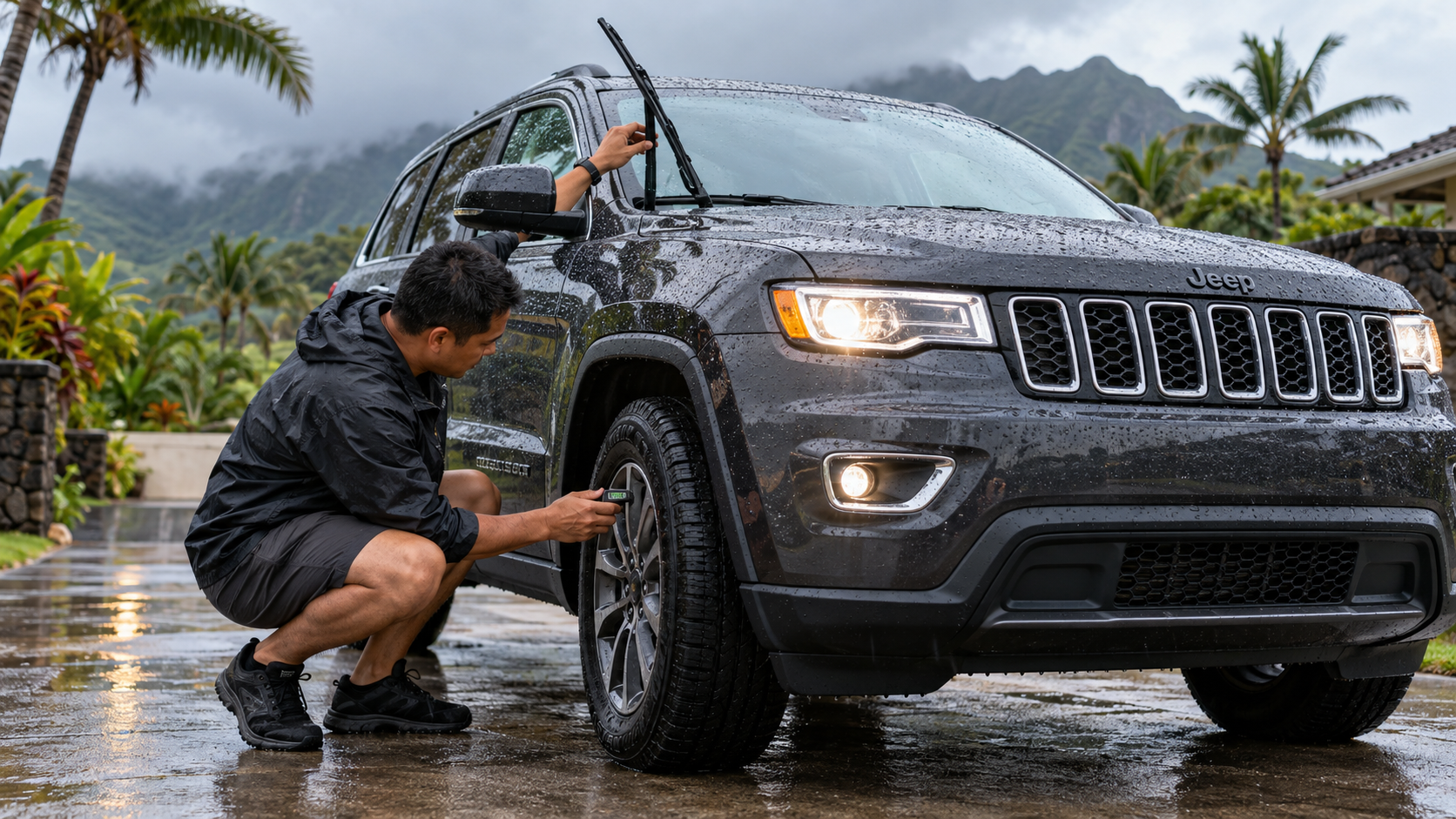
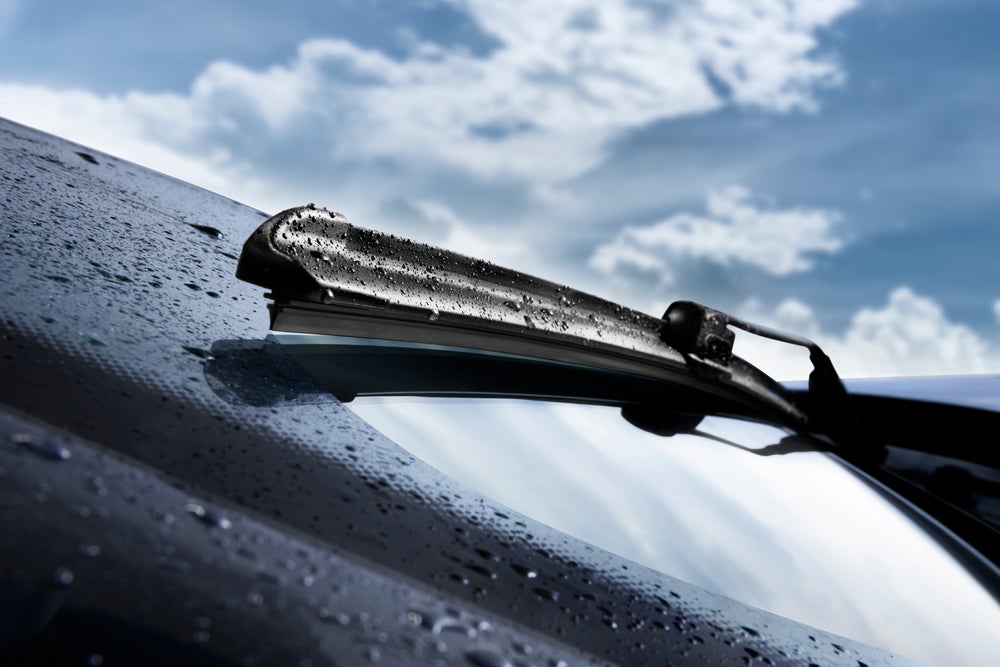
Knowing how to drive in heavy rain gives you a clear response when a Honolulu downpour arrives without warning. Furthermore, rain can hide lane markings, reduce tire grip, and fill low streets quickly. Therefore, your first actions should protect space, sight, and steering control. A calm response starts before water begins collecting across the pavement. Slow Down Before Tire Grip Drops How should you react when heavy rain begins without warning? Reduce speed smoothly, add following space, switch on low beam headlights, and reassess the road ahead. As a result, these actions give your tires and brakes more time to respond. First, ease off the accelerator instead of making a sudden brake application. Abrupt input can shift weight quickly and unsettle the vehicle. Furthermore, slower travel gives tire grooves more time to move water away from the pavement. This contact supports steering and braking. more Next, increase the space behind the vehicle ahead. Moreover, wet pavement takes more room for a controlled stop. Additionally, road spray may hide brake lights until traffic slows. Therefore, leave enough room for a gentle response. Cruise control should remain off during heavy rain. Instead, the driver should control speed through direct pedal input. Additionally, avoid quick lane changes and sharp steering. Smooth movement keeps vehicle weight from shifting too quickly. Follow this order when the rain grows stronger: Ease off the accelerator and keep the steering wheel steady. Add more room ahead before traffic forces a sudden stop. Use low beam headlights so nearby drivers can locate your vehicle. Honolulu streets can change within a few blocks. Consequently, keep checking the next visible stretch instead of relying on the prior one. Protect Visibility and Lane Awareness What should you do when the wipers cannot clear the windshield? Reduce speed further and move toward a safe stopping place away from active traffic. Therefore, clear sight must come before schedule or convenience. Set the wipers to the speed that keeps the glass clear. Then use the front defogger when moisture forms inside the windshield. Furthermore, air conditioning can remove cabin moisture and clear fog faster. Additionally, keep recirculated air off when it traps damp air inside. Use low beam headlights during heavy rain. High beams can reflect from rain and glare back toward the driver. Moreover, headlights make the vehicle easier for others to locate through spray. Look farther ahead than the vehicle directly in front. Track lane lines, roadside reflectors, brake lights, and fixed objects. Still, never follow another vehicle blindly through pooled water. The driver ahead may enter a hidden drop or blocked drain. Mirrors also need frequent checks. Moreover, water and spray may hide motorcycles, bicycles, and vehicles beside you. Therefore, signal early and wait for a clear opening before changing lanes. Knowing how to drive in heavy rain also means recognizing lost sight distance. When you cannot see a controlled path, continued travel is no longer safe. Respond Correctly When Hydroplaning Starts What should you do when the tires lose contact with the road? Ease off the accelerator, keep the wheel steady, and avoid sudden braking until grip returns. Therefore, hydroplaning begins when water separates a tire from the pavement. Tread grooves normally move water away from the tire contact area. However, deep water or higher speed can overwhelm that path. As a result, the tire may ride across water instead of gripping the road. The steering may feel light, and the engine speed may change. Still, stay calm when those signs appear. Furthermore, look toward the open path you want to follow. Hold the wheel firmly without making a sharp correction. Do not press the brake pedal suddenly. A harsh input may upset the vehicle as tire grip returns. Instead, let speed fall through gentle accelerator release. Then apply light braking after normal steering feel returns. Stability control and anti lock brakes may assist during a loss of grip. Yet they cannot create tire contact where deep water blocks the pavement. Tires still need sound tread and proper pressure. Before rain arrives, inspect the tread and replace worn wiper blades. Additionally, check tire pressure when the tires are cool. These steps support how to drive in heavy rain before the first drop reaches the road. Never Drive Into Flooded Water Can you judge flooded road depth from inside the vehicle? Water depth, current strength, road damage, and hidden debris cannot be judged reliably from the driver seat. Turn around whenever water covers the travel path. A shallow appearance can hide a washed surface or open drain. Furthermore, moving water can push a vehicle sideways before the driver can reverse. Additionally, water may enter the engine, cabin, brakes, or electrical parts. Honolulu flood danger may rise after rain falls over higher land. Water can travel downhill into streams, channels, underpasses, and low streets. Therefore, lighter rain near your vehicle does not prove the route ahead remains clear. Never move a barrier or drive around a road closure. Therefore, barriers mark a known hazard or blocked route. In addition, do not follow another driver through the water. Their vehicle height and tire contact may differ from yours. Use this flood response: Stop before the water and leave enough room to turn safely. Choose another route that stays away from streams and low crossings. Check official road notices and Honolulu emergency alerts before continuing. Knowing how to drive in heavy rain includes knowing when the road has become impassable. A delayed arrival is safer than entering water you cannot measure. Know When and Where to Stop When should you stop driving during a Honolulu downpour? Stop when sight, tire contact, floodwater, or debris prevents a clear path. Furthermore, the stopping location should sit away from traffic and rising water. Do not stop in a moving lane unless the vehicle cannot continue. Instead, look for a parking lot or another paved area away from travel lanes. Moreover, choose higher ground when floodwater may rise. Also avoid stopping beside streams, drainage channels, steep slopes, or large trees. Once parked, remain visible to nearby traffic. Use the vehicle lights and follow local rules for hazard lamps. Keep the engine off when water approaches the exhaust or underbody. Furthermore, do not leave the vehicle for moving water. Check official alerts before returning to the road. Additionally, Honolulu residents can use HNL Alert for city messages. The National Weather Service Honolulu office also posts active watches, warnings, and advisories. Resume travel only after sight distance and road access return. Still, expect mud, branches, pooled water, or damaged pavement after the rain slows. Reduce speed and scan every new block. Learning how to drive in heavy rain means choosing control over urgency. Slow early, protect your view, avoid floodwater, and stop when the route becomes unclear.

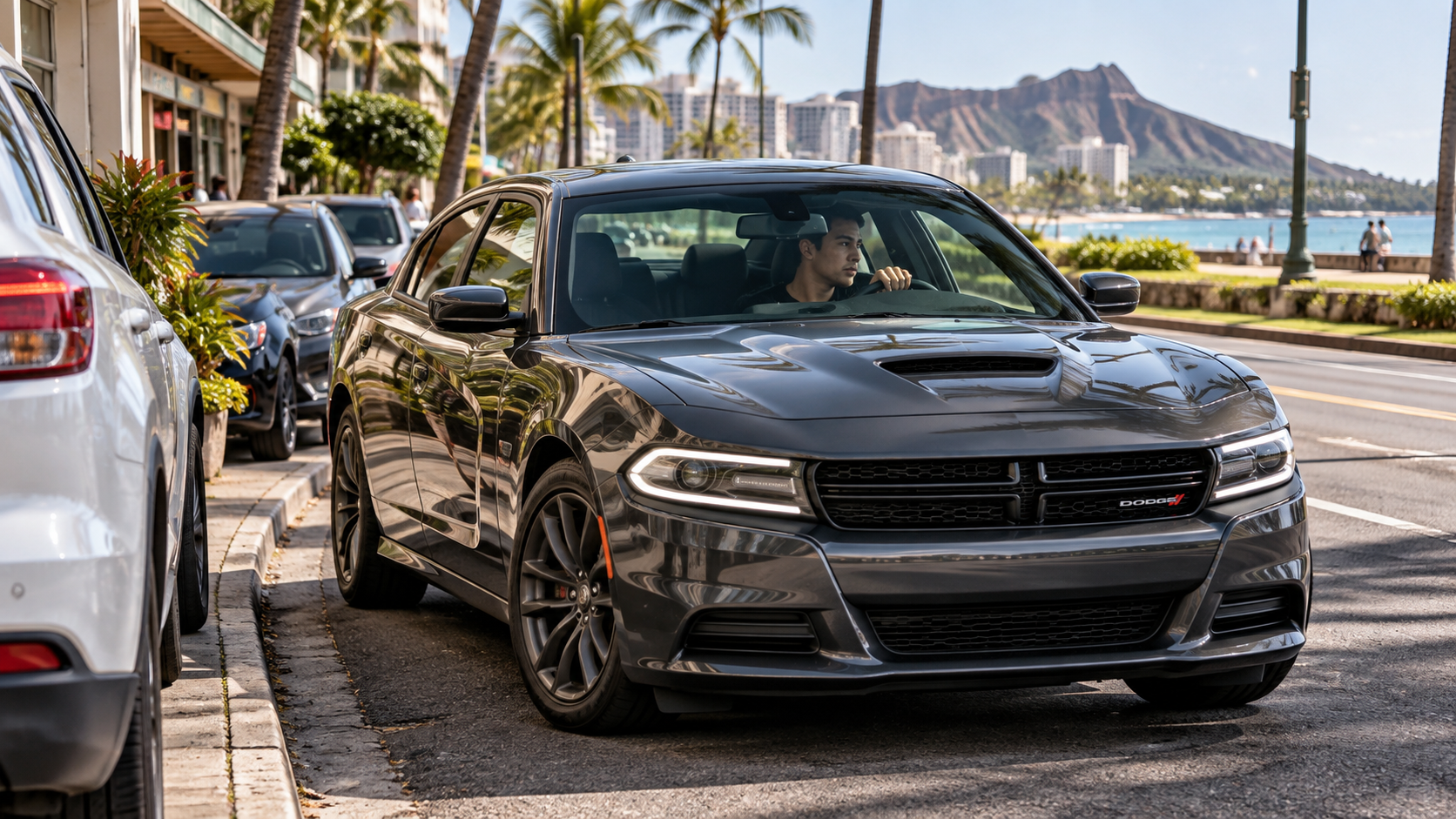
Dodge Charger Honolulu Daily Driving Guide for Oahu

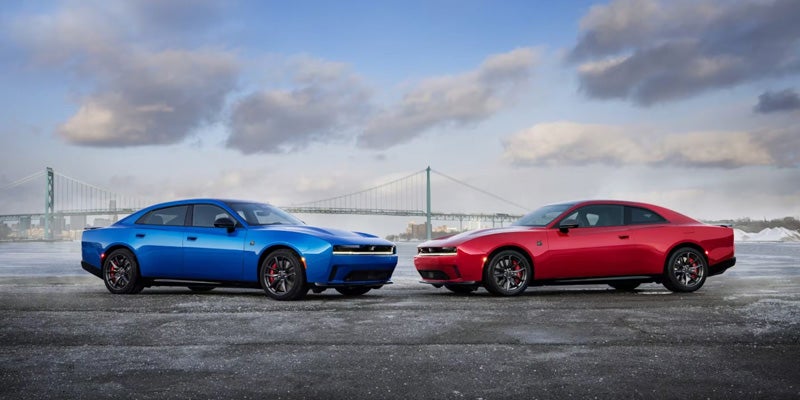
The Dodge Charger Honolulu drivers consider should fit more than their interest in power. Daily comfort, fuel needs, passenger space, and parking also matter across Oahu. Additionally, Honolulu travel includes short trips, dense traffic, steep grades, and crowded parking areas. Therefore, a Charger should match the routes you drive each week. Moreover, door count, power source, and cabin access deserve equal review. This guide explains those points before you compare available models. Match the Charger to Your Honolulu Routine Is a Dodge Charger good for daily driving in Honolulu? A Charger can suit daily travel when its layout and fuel needs match your routine. First, start by listing your common trips. Include work commutes, school runs, grocery stops, beach visits, and longer drives across Oahu. Next, record the frequency of rear-seat use by adults or children. A two-door Charger keeps the coupe shape, yet rear entry takes more effort. A four-door Charger makes repeated passenger loading easier. Therefore, frequent rear-seat use may favor the four-door body. more Additionally, parking deserves an honest review. Measure your garage, driveway, or assigned stall before choosing a trim. In addition, check door clearance beside walls, posts, and nearby vehicles. The Charger has a broad stance, so space awareness matters during tight maneuvers. Finally, your weekly mileage completes the first review. Short city trips place different demands on fuel than longer highway drives. Consequently, a test drive should follow roads you use regularly. Try common turns, ramps, parking areas, and traffic speeds. Use these questions during that drive: Can you see curbs, lane edges, and nearby vehicles from your normal seating position? Can rear passengers enter without making each stop feel awkward or slow? Can the Charger fit your usual garage, stall, or curbside space with room to exit? These checks turn a general model search into a personal fit review. Understand Power During City Travel Does strong engine output make city travel harder? Output sets acceleration potential, while your right foot and selected drive mode shape response. For this reason, review the 2026 Charger R/T twin-turbo 3.0-liter straight-six engine. It produces up to 420 horsepower and 468 pound-feet of torque. The Charger Scat Pack raises output to 550 horsepower and 531 pound-feet of torque. However, higher output does not require aggressive driving. Smooth pedal inputs keep launches controlled during traffic. In addition, standard all-wheel drive sends power through all four wheels during acceleration. That traction can support starts on wet pavement or steep streets. Still, tire tread and speed remain central to grip. All-wheel drive cannot shorten every stop or replace careful braking. Therefore, review tire type, tire wear, and brake feel during the test drive. Moreover, strong torque can make highway merging feel direct. The engine builds force quickly through its twin turbochargers. Consequently, drivers may need less pedal travel when joining faster traffic. That response can feel useful near busy ramps or short merge lanes. Additionally, drive modes can change steering weight and power delivery. Test the normal road setting before exploring sport-focused settings. The normal setting gives the clearest view of routine travel. Moreover, it shows how the Charger responds during gentle starts and low-speed turns. Review Fuel Use Before Choosing a Trim How should Charger fuel economy guide a purchase? Published ratings provide a comparison point, while route length and traffic shape weekly fuel spending. Dodge lists the 2026 Charger R/T at 16 mpg city and 23 mpg highway. Its combined rating is 19 mpg. First, begin with your usual weekly mileage. Then divide those miles by a realistic fuel estimate. Use the city figure when most travel includes short trips and frequent stops. Use a mixed figure when your week includes open highway travel. For instance, 190 weekly miles at 19 mpg requires about 10 gallons. That estimate does not promise an exact result. However, it creates a clear budget starting point. Air conditioning, cargo weight, idle time, and quick acceleration may raise fuel use. Moreover, fuel grade deserves attention. Dodge recommends premium unleaded for the listed 2026 Charger configuration. Therefore, compare local premium prices with your expected weekly gallons. That calculation gives a clearer ownership estimate than mpg alone. By contrast, the electric Charger Daytona follows a different routine. Charging access becomes more central than fuel station distance. Dodge lists more than 265 miles of electric range for the Daytona Scat Pack. In addition, Dodge includes a 32-amp Level 2 charger and charging dongle with a new 2026 Daytona. Before choosing electric power, review these items: Confirm whether your home parking area supports a suitable outlet or installed charger. Compare your longest regular Oahu drive with the listed range and expected charging stops. Check public charging locations near work, shopping, and other repeated destinations. A gas Charger suits quick refueling. An electric Charger may suit drivers with dependable overnight charging. Therefore, the easier routine rests on your parking access and weekly travel pattern. Check Space, Doors, and Parking Is a two-door Charger suitable for regular passengers? The coupe can carry rear passengers, yet four doors simplify repeated entry. This choice matters more than a single rear-seat measurement. Think about who rides with you and their entry frequency. For this reason, families may prefer four doors for child seats, school bags, and frequent stops. By contrast, solo drivers may value the coupe shape more than rear access. Couples who rarely carry passengers may also find two doors sufficient. In addition, the liftback rear opening adds another useful dimension. It opens with the rear glass and exposes a broad loading area. Therefore, larger boxes or beach items may load more easily than through a small trunk opening. Folded rear seats can create more room for longer items. However, cargo should remain secured. Loose objects can move during sudden braking or sharp turns. Use tie-down points when available, and keep heavy items low. This setup protects passengers and preserves rear visibility. Honolulu parking can require careful planning. The city operates meters, tow-away zones, and restricted residential parking areas. Consequently, drivers should read signs before leaving any vehicle. A larger footprint also makes camera views and parking sensors useful during close maneuvers. Finally, test parking equipment during the drive. Check the camera image, sensor alerts, mirror coverage, and turning circle. Moreover, practice entering a space similar to your home stall. A few minutes of testing can reveal more than a specification sheet. Choose the Charger Layout That Fits Oahu Should a Honolulu driver choose gas or electric power? Gas suits quick refueling, while electric power suits reliable charging access. The better fit starts with your weekly route and parking setup. Additionally, the Charger R/T pairs strong output with a familiar fueling routine. The Scat Pack adds more power for drivers who place acceleration higher on their list. The Daytona replaces fuel stops with charging sessions. Each version also offers two-door and four-door choices. Before making a final selection, compare five points. Review passenger frequency, parking width, weekly mileage, fuel costs, and charging access. Then test the exact body style and power source under consideration. A Dodge Charger can handle Honolulu commuting without losing its bold identity. Yet the correct version should fit your routine before it impresses on paper. Therefore, choose the layout that makes ordinary trips easier to manage. That decision keeps power, space, and daily travel working together.

Best Time to Trade In a Car: Honolulu Timing Guide

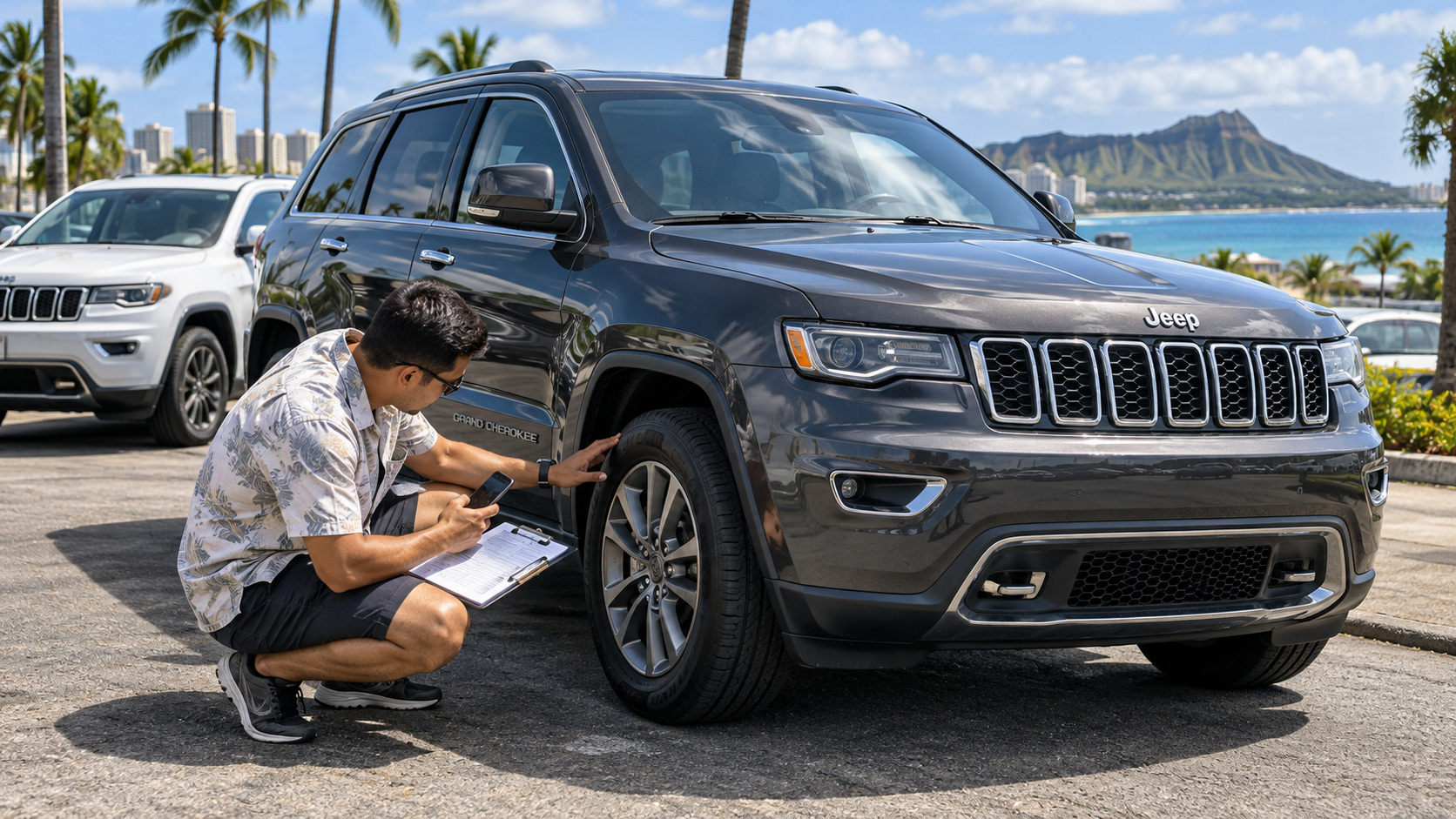
The best time to trade in a car depends on mileage, loan equity, repair needs, and current Honolulu demand. A calendar date cannot answer every part of that decision. Instead, review what your vehicle is worth today and what keeping it may cost next. This approach gives you clear signals before you visit a dealership. It also reduces surprises during the appraisal. Start With Your Current Trade Position When is the best time to trade in a car? The right point arrives when current value, loan equity, mileage, and near term costs support a change. Begin with an estimated trade value from more than one pricing source. Then request the payoff amount from your lender. Next, compare those numbers. Positive equity means the appraisal exceeds the payoff. Negative equity means the payoff exceeds the appraisal. Therefore, the gap must be paid or included in the next finance agreement. That step shows whether trading now fits your budget. Vehicle age also deserves attention. New vehicles lose value quickly during their early years. However, waiting longer may bring higher mileage, expired coverage, or larger repair bills. Your service history can support the appraisal by showing regular care. Keep receipts for oil changes, tires, brakes, and major repairs. Before visiting an auto trade in dealership, gather several items: more Bring the title or lender details, registration, identification, and every available key. Collect maintenance records that show completed service and recent replacement parts. Remove personal items and clean the cabin so inspectors can view its state clearly. These steps do not set the offer. Still, they make the inspection easier and show what has already received attention. Watch Mileage and Maintenance Checkpoints Does reaching 60,000 miles immediately reduce trade value? A mileage checkpoint signals added wear and service needs, but it never sets one fixed amount. Appraisers review the odometer beside model year, service records, tire wear, warning lights, and local demand. Mileage matters because each added mile reduces the remaining road life available to the next owner. Yet two vehicles with equal mileage can receive different offers. One may have complete records and fresh tires. The other may need brakes, fluids, and suspension work. Major service intervals deserve close review. Some vehicles require spark plugs, transmission service, coolant service, or belt inspection near set mileage points. Therefore, check the maintenance schedule in the owner manual. Estimate what the next twelve months may require. Do not treat 100,000 miles as an automatic deadline. Some well-kept vehicles remain desirable beyond that mark. However, a higher reading may narrow resale demand and raise expected preparation costs. Requesting an appraisal before the next large service interval gives you a useful baseline. Mileage also connects with annual driving. A newer vehicle with high annual miles may show more wear than its age suggests. By contrast, an older vehicle with low miles may still need age-related rubber parts or fluids. Appraisers look at the full picture. Compare Repair Costs With Remaining Value Should you complete repairs before requesting an appraisal? Minor preparation may support presentation, while large repairs require a cost comparison before work begins. Start with safety items, warning lights, damaged glass, worn tires, and overdue service. Small tasks can make the inspection clearer. Replace burned-out bulbs, remove trash, and wash visible dirt from the exterior. However, avoid expensive cosmetic work without an appraisal. A dealership may repair the same damage through established service channels for less. Mechanical repairs require more caution. Suppose the vehicle needs air conditioning work, suspension parts, or transmission repair. First, request an estimate from a qualified technician. Then compare that cost with the current trade estimate and expected appraisal change. Use three questions before approving major work: Will the repair make the vehicle safe enough for inspection and transport? Is the repair cost lower than the likely increase in appraised value? Would keeping the vehicle after repair still fit your next two years? A dealership inspection can answer parts of this calculation. Therefore, request the appraisal before authorizing large repairs. You may learn that trading the vehicle as it sits makes more financial sense. Check Loan Equity Before Shopping Can you trade a vehicle while you still owe money? An active loan can remain during a trade, but the payoff amount changes the transaction. Contact the lender and request a current payoff quote. That number may differ from the balance shown on a monthly statement. Next, compare the payoff with the written appraisal. If the appraisal is higher, the remaining equity can reduce the next purchase amount. If the payoff is higher, negative equity remains. You must cover that gap or include it in new financing. Rolling a balance into another loan raises the amount financed. Consequently, it may increase interest costs and delay positive equity on the next vehicle. Review the full purchase amount, loan term, rate, and total interest. Do not judge the deal through monthly payment alone. Waiting may reduce the balance through more payments. However, the vehicle may also lose value or require repairs during that period. Compare the likely payoff reduction with expected depreciation and maintenance. A fresh appraisal gives you a starting figure for that review. Bring your lender details to the dealership. The appraisal team can verify the payoff and explain how equity appears in the paperwork. Clear numbers make the next decision easier to review. Read Honolulu Demand Before an Appraisal Why can the same vehicle receive a different offer in Honolulu? Local inventory, shipping expense, model demand, and preparation needs shape each appraisal. Oahu dealerships review what is already available and which vehicles shoppers are requesting. Island logistics add another layer. Vehicles arriving from the mainland require ocean transport, scheduling, and added expense. Therefore, a clean local trade may fill an inventory need without the same transport path. That factor does not guarantee a higher offer. It simply means Honolulu demand deserves a local appraisal. Body style also matters. A dealership may need more trucks, family SUVs, compact cars, or fuel-conscious models at different times. Brand, trim, color, mileage, and service history can shape resale interest. Current stock may change that interest from one month to the next. The strongest signal comes from a written appraisal. Before the visit, research your estimated value and collect the required records. Then ask how mileage, condition, equity, and local demand shaped the offer. Review the trade figure separately from the next vehicle price. The best time to trade in a car is when the numbers support your next move. Check value, payoff, repairs, mileage, and Honolulu demand together. That process makes trade timing easier to judge before you enter the showroom.

Buying a Jeep in Hawaii: First-Time Truck Buyer Guide

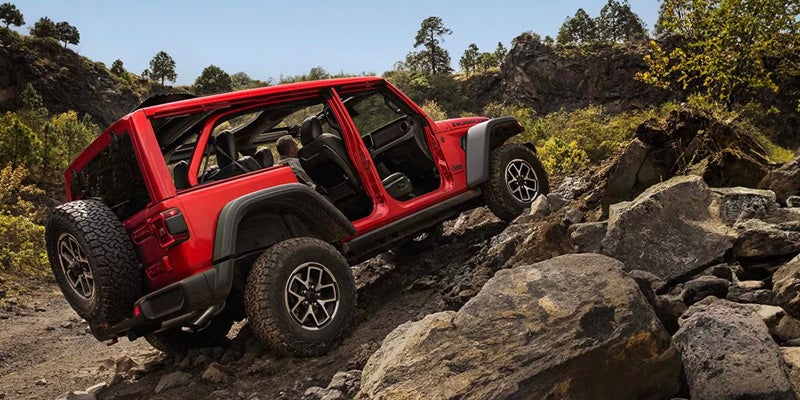
Buying a Jeep in Hawaii follows the same broad arc as any vehicle purchase, but the details that surround that arc are specific to the islands in ways that most mainland buyer guides will not prepare you for. The General Excise Tax structure is different from a traditional sales tax. Registration fees are calculated on a weight basis that surprises first-time truck buyers. The trade-in market on Oahu runs differently from a mainland metro, and the inventory mix at a Hawaii dealership reflects island demand patterns that do not always match what a national review site describes. This guide walks through what a first-time Jeep or Ram buyer at Cutter Chrysler Jeep Dodge Ram Honda in Honolulu should expect at each step of the process, from the moment you arrive on the lot through the moment you drive off in your vehicle. What the Dealership Process Looks Like From Arrival to Keys The dealership visit follows a predictable sequence, and understanding that sequence ahead of time removes most of the uncertainty that makes first-time buyers anxious. The process at Cutter in Honolulu runs through the same core steps as any Stellantis dealer, however the staff is accustomed to walking first-time buyers through each stage without pressure or confusion. The first step is identifying the vehicle. If you have done research online and arrived with a model and trim in mind, the conversation moves faster. The sales team will confirm inventory, walk you through available configurations, and set up a test drive. The test drive is not a formality. It is the point where the Compass's tighter footprint versus the Cherokee's more substantial stance becomes something you feel, or where the Ram 1500's cab quality registers differently than a spec sheet communicates. Take the time to drive more than one configuration if you are undecided. After the vehicle decision, the process moves to numbers. The sales team will present pricing, applicable incentives, and a trade-in figure if you have a vehicle to sell. This is where pre-approval from your bank or credit union matters most. Having a rate in hand gives you a reference point before the finance office presents its own financing options. The numbers conversation can take thirty minutes to over an hour, and patience here protects the buyer more than speed does. Once the numbers are agreed upon, the process moves to the finance office, which is its own distinct step covered in Section 3. Hawaii-Specific Costs That Will Appear on Your Contract First-time buyers who research vehicle costs online will find national figures that do not reflect the total out-of-pocket number in Hawaii. Several line items on a Hawaii purchase contract do not appear in mainland guides, and arriving without knowing what they are makes the final figures feel larger and more surprising than they should. Hawaii does not charge a traditional sales tax on vehicle purchases. What it charges instead is the General Excise Tax, or GET, which functions differently. GET is assessed at 4.712 percent in Honolulu County and is applied to the dealer's gross receipts, not a straight percentage of your vehicle price. In practice, the GET line on your contract will be close to what a sales tax figure would look like, however the calculation structure is distinct and the rate does not match what a buyer accustomed to mainland tax tables will expect. The GET applies to the full vehicle price before incentives and rebates reduce it, which means buyers cannot calculate the tax figure by applying the rate to their negotiated price alone. Registration fees in Hawaii are weight-based. A Ram 1500, a Jeep Cherokee, or a Jeep Compass each carry different curb weights, and the annual registration cost reflects that. A full-size Ram 1500 will generate a higher registration fee than a compact Compass, and that fee recurs annually. First-time truck buyers accustomed to sedan registration costs are frequently surprised by the difference. Furthermore, Hawaii charges a county surcharge on top of the base registration fee, and Honolulu County's surcharge structure adds to the total. The documentation fee, which covers the dealer's cost of processing the paperwork, is also a standard line item and is not negotiable in the same way that vehicle price is. Financing Preparation and What the Finance Office Does The finance office is the step that generates the most anxiety for first-time buyers, and it generates that anxiety because most buyers arrive without knowing what it involves. The finance manager is not a salesperson in the traditional sense. Their role is to finalize the loan structure, confirm the paperwork, and present a set of protection and add-on products for the buyer to consider. The meeting takes between thirty minutes and ninety minutes, and the pace is set partly by how prepared the buyer arrives. Preparation starts before the dealership visit. A pre-approval letter from your bank, credit union, or Hawaii-based lender like Hawaii State Federal Credit Union or First Hawaiian Bank gives you a baseline rate the dealer must compete with or beat. Dealers have access to a network of lenders and can present competitive financing, however a buyer with no pre-approval has no reference point for evaluating what is offered. Bring your driver's license, proof of insurance, and proof of income or recent pay stubs. If you are trading in a vehicle, bring the title and any loan payoff information. The products offered in the finance office follow a consistent pattern. A first-time buyer should expect to see some combination of the following, and should evaluate each on its own merits: An extended service contract, called a warranty by most buyers, covers mechanical repairs beyond the factory warranty period. For a Jeep or Ram purchased in Hawaii, where a service appointment requires local availability and parts may take longer to source than on the mainland, this product deserves honest evaluation for buyers planning to keep the vehicle beyond the factory powertrain coverage window. GAP insurance covers the difference between what you owe on your loan and what the vehicle is worth if it is totaled or stolen before the loan is paid off. New vehicles depreciate quickly in the first year, and a buyer financing a significant portion of the vehicle price is exposed to a gap between loan balance and actual cash value. GAP is worth considering for buyers putting less than twenty percent down. Paint and interior protection packages vary widely in quality and value. In Hawaii's UV intensity and salt air climate, surface protection products are not without merit, however the dealership versions are priced at a premium. A buyer who plans to maintain the vehicle independently can replicate much of the protection through regular ceramic coating and interior conditioning at a lower cost. Trade-In Evaluation in Hawaii Trading in a vehicle in Hawaii requires a different set of assumptions than a mainland trade. The resale market on Oahu is contained. There are fewer buyers, fewer auction outlets, and a different demand profile than a mainland metro with a larger population and more dealer competition. That market structure shapes what a dealership can offer for a trade, because the dealer's ability to resell the vehicle quickly at a strong price is limited by the same island factors that shape the buyer's side of the transaction. Vehicle condition carries more weight in Hawaii trade-in evaluations than it does in many mainland markets. Salt air corrosion on undercarriage and suspension components, UV-driven paint oxidation, and interior sun damage from prolonged high-UV contact are all factors Hawaii dealers evaluate closely and discount against. A buyer who has maintained their current vehicle attentively, kept up with rust prevention, and addressed paint condition regularly will present a stronger trade candidate than the mileage and year alone suggest. Before bringing a trade to the dealership, a detail service and a documented maintenance record are two of the most cost-effective steps a seller can take. The timing of a trade-in relative to a new vehicle purchase also matters. Trading in at the point of purchase is convenient, however it is not always the strongest financial move. Getting an independent appraisal from a service like CarMax, even if CarMax is not physically present on the island, through their online tool, gives the buyer a benchmark that makes the dealer's offer easier to evaluate. A buyer who arrives knowing their vehicle's independent value is in a stronger position than one who accepts the first figure without context. Jeep and Ram Specifics for First-Time Buyers at Cutter First-time buyers arrive at the Jeep and Ram lineup without a clear sense of where to start within it. The model range spans from compact SUVs to full-size trucks, and the trim structure within each model adds another layer of choices. At Cutter in Honolulu, the inventory reflects what island drivers select most frequently, and the sales team is familiar with pairing first-time buyers to configurations that match their actual use patterns on Oahu and not what a national bestseller list suggests. A few orientation points help first-time buyers narrow the field before the lot visit: First-time Jeep buyers who prioritize daily Honolulu commuting and family use over trail-focused use should start with the Compass or Cherokee and not the Wrangler. The Wrangler's body-on-frame construction, open-air design, and trail-first character make it a different daily proposition than its Jeep branding suggests to someone who has not driven one. The Compass and Cherokee deliver the Jeep identity with a more straightforward daily driving character. First-time Ram buyers who are unsure whether they need a full-size truck or a capable SUV should spend time with both the Ram 1500 and the Jeep Grand Cherokee before deciding. The Ram delivers genuine truck strength in towing and payload, however its size in Honolulu parking and its fuel draw in stop-and-go traffic are real daily considerations that a test drive on local streets will clarify faster than any spec comparison. Both the Jeep and Ram lineups carry factory warranty coverage that transfers without issue in Hawaii. Service is handled at Cutter's own facility, and GM-certified technicians are on staff. A first-time buyer concerned about service access in an island market should know that Cutter handles warranty and recall work for the full Stellantis lineup without requiring a mainland visit or a shipping arrangement.

Ram 1500 Trim Levels: Work vs Comfort Explained

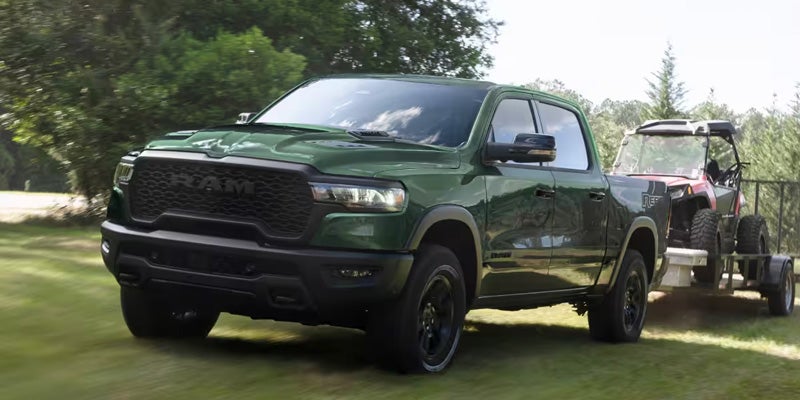
Ram 1500 trim levels separate two very different kinds of trucks under the same nameplate. The model spans from stripped-down work configurations with vinyl floors and minimal technology to fully appointed comfort trims with leather seating, air suspension, and premium audio. For a shopper in Honolulu working through the right configuration at Cutter Chrysler Jeep Dodge Ram Honda, the trim decision is less about adding features and more about identifying which version of the Ram 1500 was structured around a daily use pattern that matches the buyer's own. This guide walks through the trim structure from the ground up, explains what each tier is built around, and applies that framing to the specific driving, climate, and purchase realities of island life. How Ram Structures Its Trim Hierarchy Ram organizes the 1500 trim range around a clear internal logic. The lower tiers, Tradesman and Big Horn, are structured for buyers who want a capable, reliable truck without paying for interior appointments they will cover in work gear or never use. The mid and upper tiers, Laramie and Longhorn, are structured for buyers who spend significant time in the cab and want the interior to reflect that. The Limited and TRX sit above that for buyers whose priorities extend into premium finishes or dedicated off-road setups. The most important thing to understand before comparing individual trim features is that the powertrain story stays largely consistent across the range. The 3.6-liter Pentastar V6, the 5.7-liter HEMI V8, and the 3.0-liter EcoDiesel are available across multiple trims. Choosing between Tradesman and Laramie does not change which engine goes under the hood. What changes is everything surrounding the driver: the seat material, the technology stack, the sound insulation, and in the case of upper trims, the suspension setup. That framing matters because it keeps the comparison focused on what the trim decision is truly about. more For Honolulu drivers, the trim hierarchy also intersects with inventory patterns. Hawaii dealers stock a different mix than mainland markets, and the Big Horn and Laramie tend to represent the core of available configurations at Cutter. Understanding what each of those tiers delivers, and where the dividing line sits between work-primary and comfort-primary trucks, gives the buyer a clearer framework before walking the lot. Work-Oriented Trims: Tradesman and Big Horn The Tradesman is the Ram 1500's entry point, and it is structured without apology around work-first priorities. Vinyl flooring, a basic infotainment setup, and cloth seating keep the interior easy to clean and straightforward to maintain. For a contractor, tradesperson, or buyer who loads tools, equipment, and gear on a regular schedule, the Tradesman removes the anxiety of putting a work interior through daily abuse. The base HEMI V8 is available, the tow and payload ratings are the same as higher trims, and the exterior holds up to the same Hawaii sun and salt air contact as any other configuration in the lineup. The Big Horn steps up without fully crossing into comfort territory. It adds features that matter for a buyer who splits time between job site and family use. Several of those additions change the daily character in ways the Tradesman cannot match: The Uconnect 8.4-inch infotainment display arrives at the Big Horn level, bringing wireless Apple CarPlay and Android Auto into a trim that still keeps vinyl flooring as a durable option. A driver managing job site calls, navigation, and music through the truck's screen will notice that upgrade immediately. Exterior appearance packages and chrome or body-color trim give the Big Horn a visual step up from the Tradesman without requiring a move into comfort-tier pricing. For a buyer who uses the truck daily but wants it to look presentable at client sites or school pickup, that distinction matters. The Big Horn also marks the entry point for several safety technology options, including forward collision warning and available rear cross-path detection. In Honolulu traffic, where stop-and-go density is high and lane changes happen quickly, those features add a layer of daily reassurance the Tradesman does not carry. Comfort-Oriented Trims: Laramie and Above The Laramie is where the Ram 1500 transitions from work tool to daily sanctuary. Leather seating, a larger standard touchscreen, heated and ventilated front seats, and upgraded sound insulation change the character of the cab in ways that go beyond visible features. In Hawaii's heat, ventilated front seats are not a luxury item. A driver who spends forty-five minutes in Honolulu traffic each way will notice that feature on every commute from June through October. The Laramie also adds real wood and metal interior accents that give the cab a notably different visual and tactile register than the Big Horn. Is the Laramie worth stepping up from the Big Horn for a Hawaii driver? The answer hinges on how much time the buyer spends in the cab versus outside it. A buyer who loads and unloads constantly, leaves windows down at job sites, and treats the interior as a functional space will not recover the Laramie's price premium through the features it adds. A buyer who commutes daily, carries passengers regularly, and uses the truck as a primary family vehicle will use every feature the Laramie delivers across the full time the buyer holds the truck. The Longhorn and Limited trims extend the comfort story further with premium leather grades, real wood trim, and the available air suspension setup. The Ram 1500's active-level air suspension, accessible at upper trim configurations, changes the ride character in a way no other single feature in the lineup matches. It allows the truck to lower at highway speeds for efficiency and raise for off-pavement clearance. For island drivers who occasionally run unpaved access roads to beaches or remote areas, that adjustment range adds a dimension the standard coil setup cannot replicate. Powertrain Consistency and What It Means for the Comparison Most shoppers approach a trim comparison expecting the engine options to diverge as the tiers go up. With the Ram 1500, that expectation does not hold across the core of the lineup. The 5.7-liter HEMI V8 with eTorque mild hybrid assist is available from the Tradesman through the Limited. The 3.0-liter EcoDiesel is accessible across several mid-range trims. A buyer choosing between Big Horn and Laramie is not choosing between a weaker and a stronger powertrain. The towing capacity, payload rating, and available engine output stay consistent. The trim decision separates interior, technology, and ride quality, not drivetrain output. This framing changes how to evaluate the price gap between tiers. Every dollar of difference between a Big Horn and a Laramie goes toward cab material, technology integration, sound insulation, and feature content, not toward moving more weight or pulling a heavier trailer. For a buyer who arrived at the comparison focused on towing or hauling numbers, that clarification is worth having early. The right engine for the job is available at the trim that fits the interior priorities, not the other way around. In Hawaii, the EcoDiesel deserves particular attention across whatever trim the buyer lands on. The diesel's fuel efficiency advantage is more pronounced on the island, where fuel costs run above mainland averages and round-trip distances on Oahu are limited. A buyer who covers significant weekly mileage and stays within the island's geography gets a stronger return from the diesel's efficiency than a mainland driver covering long interstate stretches where the highway economy advantage narrows. Matching Trim to Driver Profile in Hawaii The clearest way to close this comparison is to match each tier to the driver profile it fits most naturally. At Cutter in Honolulu, the team works with buyers across each of these profiles on a regular basis, and the configuration conversation is more productive when the buyer arrives with a clear sense of how the truck will be used most days. Coastal island life in Hawaii adds one further layer: interior materials, exterior finishes, and seal quality all face more stress from salt air and UV contact than they would in a mainland climate. Higher trim interior materials tend to hold up better under those stressors when properly maintained, which is a factor worth weighing in the long-term cost picture. The Tradesman fits a buyer whose truck is a work tool first. The interior will take daily abuse, cleaning ease matters more than seat material, and the full powertrain range is available without paying for appointments the job site will ruin. It is a capable, honest configuration that delivers full Ram 1500 strength without the comfort-tier price. The Big Horn fits a buyer who splits the truck between work and family use. The infotainment upgrade, the available safety features, and the visual step up from Tradesman make it a natural fit for a driver who needs the truck to function well at the job site and look presentable everywhere else. The Laramie fits a buyer who spends significant daily time in the cab, commutes with passengers, and wants the interior to match the quality of the truck's exterior and powertrain. In Hawaii's heat, the ventilated seats and upgraded sound insulation make the Laramie's premium feel functional, not decorative. Buyers who plan to keep the truck for five or more years in a coastal climate find the Laramie's material quality holds the most long-term value.

Jeep Compass vs Cherokee: Daily Driving in Honolulu

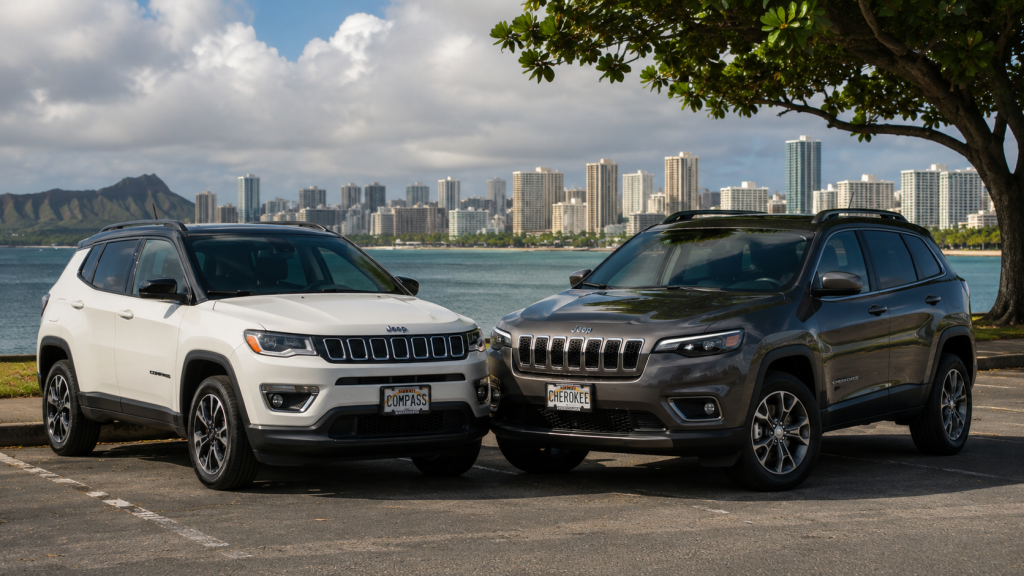
The Jeep Compass vs Cherokee decision looks simple until you apply it to where you drive every day. On Oahu, the variables that separate these two models are not the same ones that dominate mainland comparisons. Highway segments are short. Surface streets are dense. Parking is tight. Rain arrives without warning on the Pali and the H-3. Beach runs, airport pickups, and family errands define the weekly schedule for most island drivers, and neither a spec table nor a lifestyle photo communicates how either Jeep handles those demands. This guide walks through the real differences between the Compass and the Cherokee in the context of daily driving in Honolulu, so the comparison points to something more useful than a number on a window sticker. Size, Platform, and What It Means on Oahu Streets The Compass and the Cherokee share Jeep branding but not a platform. The Compass sits on a front-wheel-drive-based architecture that prioritizes a smaller footprint and lighter curb weight. The Cherokee uses a more substantial unibody setup that gives it a wider stance, more interior volume, and a ride character that leans toward composed highway travel. On paper, the Cherokee is the roomier and more capable package. On the streets of Kaimuki, Manoa, or downtown Honolulu, the Compass's smaller dimensions become an advantage in ways the spec sheet does not capture. The Compass measures roughly eight inches shorter in overall length than the Cherokee. That gap matters when navigating the multi-level parking structures near Ala Moana, squeezing into street parking in Chinatown, or making tight turns in residential neighborhoods built around pre-war lot sizes. The Cherokee is not a large SUV by national standards, however its extra length and width require more spatial awareness in exactly the driving contexts Honolulu presents most frequently. Drivers who cover urban routes daily will notice the Compass's smaller profile as a tangible asset, not a compromise. more The platform difference also shapes ride feel. The Compass absorbs the choppy pavement common on older Honolulu surface streets with a lighter, more car-like response. The Cherokee delivers more substantial isolation at higher speeds, which rewards drivers who spend more time on H-1 or H-3 segments. Neither character is wrong. However, a driver whose route is mostly urban will find the Compass's lighter touch more comfortable across a typical day. Fuel Economy in Stop-and-Go Traffic Fuel economy figures from the EPA reflect controlled testing on a standard drive cycle that does not resemble Honolulu traffic. The Compass with its standard 2.0-liter four-cylinder returns competitive city numbers, and those numbers hold up reasonably well in stop-and-go patterns because the engine displacement is modest and the transmission is tuned for low-speed efficiency. The Cherokee's available engine options, including the 2.0-liter turbocharged four-cylinder and the 3.2-liter V6, produce stronger output but consume more fuel per mile when the powertrain is working through repeated acceleration and braking cycles. The core question for an Honolulu driver is how many miles per gallon each model delivers on a commute that mixes H-1 freeway segments with surface street driving in Kalihi, Moiliili, or Hawaii Kai. The Compass's smaller engine loses less efficiency in that mixed pattern. The Cherokee's turbocharged four-cylinder recovers some efficiency through its engineering, however it carries more vehicle weight through the same cycle. For a driver covering forty to sixty miles daily in a mix of freeway and surface street patterns, the Compass's fuel advantage is real and adds up across a monthly fuel budget in Hawaii, where gas prices run above mainland averages year-round. Cargo Space and Interior for Island Life The Cherokee carries a clear cargo advantage over the Compass. Behind the second row, the Cherokee offers roughly 25 cubic feet of cargo space compared to the Compass's 20 cubic feet. With rear seats folded, that gap widens further. For drivers whose weekly routine includes airport runs with multiple bags, beach days with boards or coolers, or Costco trips that fill the back end, the Cherokee's additional volume is a functional difference that the Compass cannot fully close. However, context matters. Several island-specific loading scenarios fall squarely within what the Compass manages without difficulty: Grocery runs and weekly errands fit comfortably in the Compass's cargo area. The hatch opening is wide, the floor is flat, and everyday island shopping does not push the model's capacity. Snorkeling gear, beach chairs, and soft coolers load without issue into the Compass. Surfboards and paddleboards require a roof rack on either model, so the comparison narrows when overhead carry is part of the plan. Airport pickups with two or three passengers and standard luggage sit within the Compass's range. Four passengers with checked bags and carry-ons can stress the available space, which is where the Cherokee's additional cubic footage becomes worth having. The Cherokee's interior also offers more rear legroom, which matters for families or frequent carpoolers covering longer island routes. The Compass rear seat is comfortable for shorter adults on moderate trips but will feel tighter on a sixty-minute drive to the North Shore with full-grown passengers. For solo commuters or couples, that distinction is largely irrelevant. AWD and Wet-Road Relevance in Hawaii All-wheel drive carries different meaning in Hawaii than it does on the mainland. Neither the Compass nor the Cherokee will see snow, and true off-road terrain is accessible to very few Oahu routes. The relevant traction scenario for most Honolulu drivers is rain-slicked pavement, which arrives quickly and unpredictably on the windward side, along the Pali Highway, and through the H-3 tunnel corridor. In that situation, AWD provides a real margin of grip during acceleration on wet asphalt, particularly on grades and curved exit ramps. Both the Compass and the Cherokee offer AWD configurations. The Compass carries available AWD across several trim levels, and Jeep's Active Drive system on the Cherokee manages torque distribution across axles without driver input. For daily Honolulu driving, the AWD question is less about which system is more sophisticated and more about whether the buyer prioritizes wet-weather grip on mountain routes. A driver who commutes along the H-1 corridor through Honolulu's leeward side in mostly dry weather will find front-wheel drive on either model sufficient. A driver who crosses the Koolau Range on the Pali or H-3 regularly, where rain is frequent and pavement grades are steep, gets a real grip margin from AWD that justifies the configuration upgrade on either model. Which Driver Profile Fits Each Model The strongest way to close this comparison is to match each model to the driver profile it serves most naturally. The Compass and the Cherokee are not interchangeable at a lower and higher price point. They are structured around different daily use assumptions, and the right answer follows from which assumption fits the buyer's life in Honolulu more closely. At Cutter Chrysler Jeep Dodge Ram Honda in Honolulu, both models are available and the team is familiar with the driving patterns, routes, and priorities most relevant to Oahu buyers. The Compass fits a driver who covers urban routes daily, parks in tight structures or on residential streets, and does not regularly carry more than two or three passengers with moderate cargo. The smaller footprint, lighter fuel draw, and car-like handling make it the more natural fit for dense Honolulu commuting. The Cherokee fits a driver who covers longer island routes, carries a full family or frequent passengers on back-seat trips, needs the additional cargo room for gear-heavy island activities, or prioritizes a more planted, composed feel on freeway segments and mountain passes. Either model works well with AWD for drivers who cross the Koolau Range on the Pali or H-3 with any frequency. For drivers who stay primarily on the H-1 corridor and south Oahu surface streets, the front-wheel-drive configuration on the Compass is a reasonable and more fuel-efficient choice.

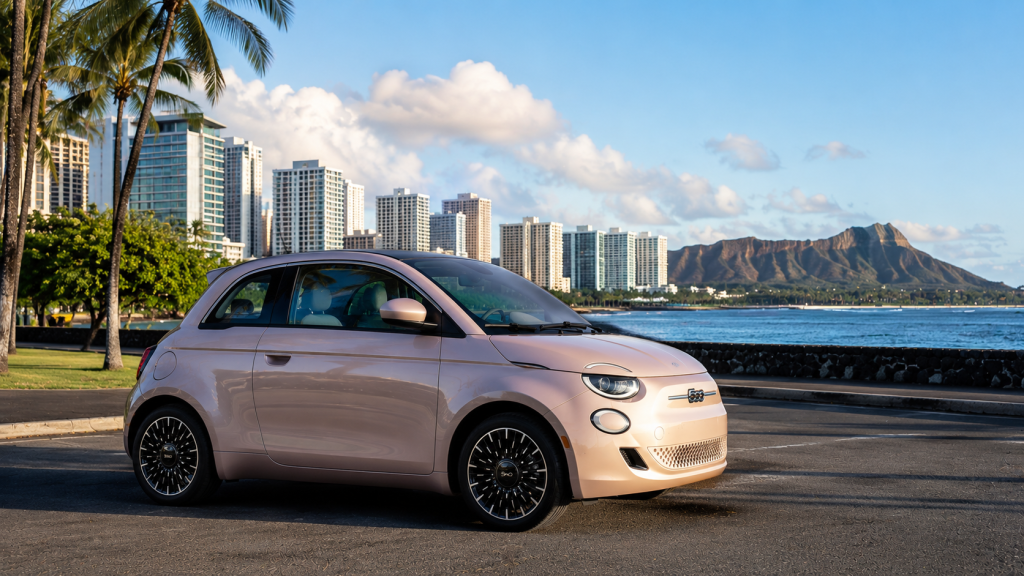
FIAT 500e Electric Vehicle Ownership Explained

FIAT 500e electric vehicle ownership feels different from gasoline vehicle driving because charging routines, regenerative braking, instant electric torque, and compact EV design change how commuting and city travel operate throughout the day. Drivers researching the FIAT 500e are usually trying to understand whether switching to an electric vehicle creates major lifestyle disruption or whether the adjustment becomes easier once charging and driving patterns settle into routine. The answer starts with how electric motors deliver acceleration, how charging replaces fuel stops, and how compact EV platforms change maneuverability throughout urban driving. Why Driving an Electric Vehicle Feels Different From a Gasoline Vehicle One of the first things drivers notice after switching to an EV is how differently the vehicle responds during acceleration and braking. That change begins with the electric motor. Gasoline engines create power through combustion cycles that build RPM gradually. Electric motors deliver torque immediately because electricity transfers directly into rotational force without requiring combustion buildup. The FIAT 500e electric motor creates acceleration instantly when throttle input begins. This changes city driving substantially: more • Acceleration responds immediately from stoplights • Power delivery feels smoother during traffic movement • Cabin vibration decreases because there is no combustion engine operation • Low speed driving feels quieter during parking and urban streets The FIAT 500e compact EV platform also changes weight distribution. Battery packs sit lower within the chassis floor, lowering the vehicle center of gravity. Lower center of gravity reduces larger body movement during turning and lane transitions. Drivers transitioning from gasoline vehicles usually notice several immediate differences: • No engine idle vibration while stopped • Different braking feel due to regenerative energy recovery • Faster low speed acceleration response • Reduced drivetrain noise during commuting The FIAT 500e approaches city driving differently because electric torque delivery favors stop and go traffic movement more naturally than combustion engines operating at low RPM. How FIAT 500e Range and Charging Habits Work Together What is the range of the FIAT 500e? That answer matters less once drivers begin understanding how EV charging routines replace gasoline refueling habits. Gasoline vehicles require large refueling stops because energy replenishment only happens at fuel stations. EV ownership changes that process because charging can happen gradually while the vehicle remains parked. The FIAT 500e charging structure supports several charging methods: • Level 1 charging uses standard household outlets • Level 2 charging increases charging speed through higher voltage equipment • DC fast charging delivers faster battery replenishment during public charging stops Level 2 charging becomes the most common home setup because it replenishes battery range substantially faster than standard outlet charging. Charging habits shift toward overnight energy replenishment. Drivers plug in the vehicle during evening parking periods and begin the next day with a replenished battery. That changes commuting routines because fuel stops become less frequent. Range discussions also become more understandable when connected to commuting distance rather than maximum battery numbers alone. The FIAT 500e fits urban and suburban commuting patterns through: • Shorter commuting loops around Oahu • Lower energy consumption during city driving speeds • Frequent regenerative braking opportunities during traffic • Compact size reducing overall vehicle weight demands Battery range changes based on speed, acceleration frequency, elevation changes, and climate system usage. Higher highway speeds increase aerodynamic drag and battery consumption more aggressively than slower urban traffic. The transition becomes easier once drivers stop treating EV charging like gasoline refueling and begin viewing charging as a routine parking activity instead. What Regenerative Braking Changes During City Driving Does regenerative braking charge the battery? Yes. Regenerative braking converts vehicle movement back into electrical energy during deceleration. A gasoline vehicle loses braking energy through heat generated at the brake pads and rotors. An EV motor can reverse its operation during deceleration and function like a generator. Instead of wasting rotational movement as heat, the FIAT 500e regenerative braking system captures some of that energy and transfers it back into the battery pack. This changes driving feel in several ways: • Vehicle deceleration begins earlier after lifting off the accelerator • Brake pedal usage decreases during stop and go traffic • Battery energy recovery increases during urban driving • Brake component wear decreases because friction braking activates less aggressively The FIAT 500e regenerative braking system becomes most noticeable during city traffic because repeated slowing and acceleration cycles create more opportunities for energy recapture. Regenerative braking also changes vehicle balance during deceleration. The electric motor applies resistance through the drivetrain while slowing the vehicle. Drivers unfamiliar with EV operation may initially notice stronger deceleration response after releasing the accelerator pedal. The system operates most effectively during: • downhill descents • stoplight traffic • parking approach speeds • slower urban commuting • gradual deceleration situations Urban EV driving becomes more efficient because regenerative braking continuously recovers small amounts of energy throughout traffic movement. How Compact EV Dimensions Change Driving and Parking on Oahu Is the FIAT 500e good for city driving? Compact EV dimensions make a major difference throughout dense urban areas and tighter parking situations. The FIAT 500e uses shorter exterior dimensions and a tighter wheelbase structure than larger SUVs or sedans. A wheelbase measures the distance between the front and rear axles. Shorter wheelbase vehicles rotate more quickly during turning because the distance between tire contact points decreases. This changes maneuverability throughout Oahu driving: • Parking garages require less turning space • Narrower streets feel easier to navigate • Parallel parking requires smaller openings • Urban traffic movement feels more agile during congestion Compact EV structure also changes visibility. Shorter body dimensions reduce the amount of vehicle extending beyond the driver viewpoint during parking and lane positioning. The FIAT 500e city focused design changes urban driving through: • Reduced parking space requirements • Faster steering rotation during lower speed maneuvering • Lower vehicle weight compared with larger EV platforms • Easier positioning through dense downtown traffic Smaller EV platforms also consume less energy because lighter vehicles require less rotational force during acceleration. That supports urban efficiency while maintaining responsive low speed acceleration. Drivers transitioning from larger vehicles frequently notice how compact EV proportions reduce stress during parking and crowded traffic movement. What Daily EV Ownership Looks Like with the FIAT 500e What daily EV ownership looks like with the FIAT 500e becomes easier to understand once charging routines, commuting patterns, and city driving needs begin working together naturally. The FIAT 500e supports drivers whose commuting patterns center around shorter daily loops, urban driving, and regular overnight parking access. Drivers with home charging access usually begin developing charging routines similar to charging a phone overnight rather than planning separate fueling stops. Daily ownership changes several routines: • Morning departures begin with charging already completed • Gas station visits decrease dramatically • Regenerative braking changes stop and go traffic efficiency • Compact dimensions simplify parking throughout crowded areas The FIAT 500e also changes maintenance routines because electric drivetrains eliminate several traditional gasoline vehicle components. Electric vehicles remove: • engine oil changes • spark plugs • exhaust systems • multi gear transmission servicing That simplification changes long term maintenance scheduling because the electric drivetrain contains fewer moving mechanical components than combustion engines. The transition to EV ownership feels less disruptive once drivers understand how commuting distance, charging access, and urban driving patterns work together. The FIAT 500e fits city focused commuting particularly well because its compact structure, regenerative braking setup, and electric torque delivery were calibrated around lower speed urban driving rather than long distance highway hauling.

Dodge Durango vs Three Row SUVs Explained

Dodge Durango vs three row SUV comparisons usually focus on horsepower and cargo measurements, though drivetrain layout, suspension tuning, towing calibration, and passenger packaging shape how these SUVs drive and haul weight. The Dodge Durango approaches the three row SUV category differently because its structure emphasizes rear wheel drive dynamics, stronger acceleration response, and higher towing support than most crossover based competitors. Buyers researching the Durango are usually trying to understand whether the SUV sacrifices passenger comfort and cargo organization in exchange for acceleration and towing strength. The answer starts with chassis structure, torque delivery, suspension loading, and interior packaging geometry. Why the Dodge Durango Feels Different From Most Three Row SUVs One of the first things drivers notice about the Dodge Durango is that it does not feel like most crossover based three row SUVs. That difference begins with drivetrain architecture. Most three row crossovers use front wheel drive based layouts where the front axle handles the majority of steering, acceleration, and drivetrain weight. The Dodge Durango uses a rear wheel drive based platform structure. Rear wheel drive changes how weight transfers through the SUV during acceleration, towing, and cornering. During acceleration, weight naturally shifts toward the rear axle. A rear wheel drive SUV uses that weight transfer to increase traction at the driven wheels. That creates stronger launch feel and more balanced acceleration response during highway merging or passing. The Durango structure changes vehicle response in several ways: more • Steering feels lighter during acceleration because front wheels focus more heavily on directional control • Rear axle traction increases during heavier throttle input • Weight distribution feels more balanced during highway lane transitions • Towing stability changes because trailer load transfers more evenly across the chassis The Dodge Durango also uses a lower roofline and wider stance than several crossover based competitors. That lower center of gravity reduces larger body roll movement during cornering and highway ramps. Drivers asking whether the Durango feels truck like are usually noticing suspension firmness, drivetrain balance, and rear wheel drive weight transfer. The SUV still uses unibody construction, though the drivetrain layout creates a different road feel than front wheel drive crossovers. How Horsepower and Torque Shape SUV Acceleration Does the Dodge Durango have more horsepower than most three row SUVs? In many configurations, yes. The more important measurement, however, is torque delivery. Horsepower measures work completed over time. Torque measures rotational pulling force. Larger SUVs respond more noticeably to torque because heavier vehicle weight requires stronger rotational force to accelerate effectively. The Dodge Durango R/T uses a V8 engine configuration that creates strong low and mid RPM torque delivery. Lower RPM torque changes how the SUV responds during passing, merging, and towing because acceleration force arrives earlier during throttle application. This changes acceleration feel substantially: • Highway passing requires less transmission downshifting • SUV acceleration feels stronger during lower RPM operation • Heavier passenger or cargo loads affect acceleration less aggressively • Merging into faster traffic requires less throttle travel The Durango GT V6 configuration approaches acceleration differently. The V6 setup balances smoother fuel usage with more moderate acceleration response during commuting situations. Engine size also changes cooling system requirements. Higher output engines generate more thermal load during towing and acceleration. The Durango towing package configurations increase cooling support through radiator, transmission cooling, and airflow management upgrades. Acceleration discussions surrounding SUVs usually focus only on horsepower numbers. Torque delivery timing shapes how acceleration feels far more during normal driving situations. What Towing Ratings and Suspension Tuning Change in Three Row SUVs How much can the Dodge Durango tow? That answer changes based on engine configuration, drivetrain setup, cooling systems, and suspension calibration. Suspension calibration controls how the SUV reacts when trailer tongue weight compresses the rear suspension. Trailer tongue weight presses downward behind the rear axle, changing steering response, braking balance, and body movement. The Dodge Durango towing setup changes trailer stability through: • Rear suspension tuning that resists excessive rear squat • Longer wheelbase stability during highway towing • Cooling system support for engine and transmission temperatures • Rear wheel drive traction loading during trailer acceleration Trailer towing also changes braking physics. Heavier trailer loads increase stopping distance because more rotational mass pushes forward during braking. Suspension compression during braking changes front tire loading and steering feel. Wheelbase length also impacts towing control. Longer wheelbase SUVs resist abrupt trailer sway movement more effectively because the trailer force applies farther behind the vehicle center of rotation. This becomes noticeable during: • highway crosswinds • downhill braking • trailer lane transitions • uneven pavement movement • emergency steering corrections Three row SUV towing discussions usually stop at maximum trailer ratings without explaining how suspension tuning and drivetrain structure change towing response under load. How Interior Dimensions and Cargo Layout Affect Passenger Space How much passenger space does the Dodge Durango provide? Interior dimensions only explain part of the answer because seating geometry and cargo floor layout change usable space more than raw measurements alone. Third row SUV packaging requires balancing passenger spacing, cargo floor depth, and roof height simultaneously. Some SUVs prioritize larger cargo floors while others focus more heavily on third row accessibility. The Dodge Durango uses a lower roofline and more performance oriented cabin structure than taller crossover competitors. That changes seating posture and cargo floor positioning throughout the cabin. The Durango interior layout changes passenger and cargo organization through: • Lower cargo floor height behind the rear hatch • Wider center cabin spacing during second row seating • Third row packaging balanced closer toward occasional passenger usage • More aggressive front seat bolstering during highway driving Cargo floor geometry also affects luggage organization. Taller cargo floors reduce vertical loading depth while flatter floor structures support easier stacking and equipment positioning. Passenger comfort also changes through wheelbase spacing. Longer wheelbase dimensions increase legroom distribution between seating rows, though roofline shape and seat cushion height still affect how spacious the cabin feels during longer drives. Drivers comparing the Durango against larger crossover SUVs are usually evaluating how passenger flexibility balances against towing strength and acceleration response. Which Three Row SUV Priorities Fit the Dodge Durango Best The Dodge Durango fits buyers prioritizing stronger acceleration response, higher towing support, and rear wheel drive handling characteristics inside the three row SUV category. The Durango R/T configuration emphasizes V8 torque delivery, stronger towing support, and more aggressive acceleration response. Buyers towing trailers, boats, or heavier cargo may prefer this setup because drivetrain calibration prioritizes pulling force and highway stability. The Durango GT configuration balances passenger hauling and commuting more evenly through its V6 drivetrain setup and smoother fuel usage profile. Different SUV priorities fit different buyers: • Durango R/T prioritizes acceleration and towing response • Durango GT balances passenger hauling with smoother commuting operation • Taller crossover SUVs usually prioritize maximum passenger packaging • Lower roofline SUV structures prioritize more controlled directional response The Dodge Durango remains different from most three row SUVs because its engineering priorities center around rear wheel drive chassis balance, stronger torque delivery, and towing calibration instead of maximizing cabin height and cargo volume alone. That distinction shapes how the SUV accelerates, corners, hauls weight, and distributes passenger space across the entire platform.

Jeep Gladiator Towing Capacity and Bed Utility

Jeep Gladiator towing capacity discussions usually focus on maximum trailer numbers, though towing stability, payload limits, axle ratios, and truck bed structure shape how the truck handles cargo and trailer weight in daily truck use. The Gladiator occupies a unique position because it combines Jeep off road architecture with midsize truck engineering. Buyers researching the Gladiator are usually trying to understand whether it behaves more like a Wrangler or a traditional pickup truck. That answer starts with frame structure, suspension calibration, payload management, and cargo positioning. Why the Jeep Gladiator Uses a Different Frame Structure Than the Wrangler One of the most common shopper questions asks what separates the Jeep Gladiator from the Wrangler mechanically. The answer begins underneath the body. The Jeep Gladiator uses an extended frame structure with a significantly longer wheelbase than the Wrangler. A wheelbase measures the distance between the front and rear axles. Increasing wheelbase length changes trailer stability, cargo balance, and suspension load transfer during towing. The Wrangler was structured primarily for trail maneuverability and shorter body proportions. The Gladiator extends that architecture into a truck platform by lengthening the rear frame rails and adding a cargo bed behind the cab. That longer structure changes how weight moves through the chassis during towing and hauling. The Gladiator frame changes towing response in several ways: more • Longer wheelbase reduces abrupt trailer sway movement • Extended rear frame distributes trailer tongue weight across a larger footprint • Truck bed structure separates cargo from passenger space • Rear suspension calibration supports heavier payload loading This distinction matters because trailer towing places rotational force against the rear of the vehicle. A shorter wheelbase reacts more sharply to trailer movement, while a longer frame resists side to side motion more effectively during highway travel. The Gladiator still maintains Jeep solid axle construction and removable body features, though the truck structure pushes the vehicle closer toward midsize pickup utility than Wrangler trail specialization. How Towing Capacity and Payload Ratings Work Together How much can the Jeep Gladiator tow? That number changes based on trim configuration, axle gearing, suspension calibration, and payload capacity. Payload measures how much total weight the truck can carry inside the cabin and bed. This includes passengers, cargo, tools, hitch equipment, and trailer tongue weight. Towing capacity measures how much weight the truck can pull behind it. These ratings work together. Trailer tongue weight usually equals roughly ten to fifteen percent of total trailer weight. That tongue weight presses downward onto the rear suspension and immediately reduces remaining payload capacity. This creates a common towing misunderstanding. A truck may advertise high towing numbers, though payload limits may be reached first once passengers and cargo are added. Payload loading changes several mechanical responses: • Rear suspension squat increases during heavier tongue weight loading • Front steering response changes as rear axle load increases • Braking distance extends when total vehicle weight rises • Tire pressure requirements shift under heavier cargo loading The Jeep Gladiator towing setup becomes more stable when trailer balance remains correct. Excessive rear trailer weight can create trailer sway because the trailer center of mass begins oscillating behind the rear axle. Weight distribution matters inside the truck bed as well. Heavier cargo positioned too far rearward increases leverage against the suspension and changes steering balance. Cargo positioned closer to the cab maintains more stable chassis loading. Understanding towing ratings requires evaluating the entire weight equation, not just the maximum trailer number alone. What Axle Ratios and Wheelbase Length Change During Trailer Towing What axle ratio works best for towing? An axle ratio measures how many driveshaft rotations occur for each rear wheel rotation. Lower gearing numerically increases torque multiplication at the wheels. The Jeep Gladiator Max Tow configuration uses axle gearing that prioritizes trailer pulling force and acceleration under heavier load. Increasing torque multiplication allows the engine to maintain pulling strength without forcing excessive transmission hunting during hills or acceleration. Axle gearing changes towing characteristics in several ways: • Lower gearing increases launch force from stoplights • Transmission downshifts occur less aggressively during grades • Engine RPM stays more stable while carrying load • Trailer acceleration feels smoother during merging Wheelbase length also changes trailer stability during crosswinds and highway lane changes. A trailer acts like a lever attached behind the rear axle. Shorter wheelbase vehicles react more sharply because the trailer applies force closer to the center of vehicle rotation. Longer wheelbase trucks resist those rotational inputs more effectively. The Gladiator extended wheelbase changes towing control through: • Increased directional stability during highway driving • Reduced abrupt steering correction during trailer sway • More gradual weight transfer during braking • Better trailer tracking during lane transitions The Gladiator Rubicon configuration approaches towing differently. Rubicon trims prioritize off road articulation using suspension tuning and tire setups focused on trail movement. The Gladiator Max Tow setup focuses more heavily on towing calibration and highway load stability. How Gladiator Bed Length and Cargo Positioning Shape Truck Utility What bed length comes on the Jeep Gladiator? The Gladiator uses a five foot truck bed, though utility extends far beyond bed dimensions alone. Truck bed structure changes cargo organization, tie down strategy, and weight placement. Cargo movement inside the bed changes braking balance and steering stability during driving. Loose cargo shifting rearward creates sudden changes in center of mass distribution. The Gladiator bed supports mixed hauling situations: • Recreation gear such as surfboards, coolers, and camping equipment • Work equipment including tools, generators, and construction supplies • Towing accessories such as hitch hardware and recovery equipment • Oversized cargo that would not fit inside enclosed SUVs Tie down positioning also matters during hauling. Cargo secured closer to the front of the bed reduces rear leverage against the suspension. Cargo secured poorly or positioned too far rearward increases instability during acceleration and braking. The Gladiator bed also changes how interior passenger space functions. Unlike enclosed SUVs, muddy equipment, fuel containers, wet gear, or construction materials remain separated from the cabin. That separation changes truck utility significantly for drivers balancing recreation equipment and work supplies in the same vehicle platform. Which Jeep Gladiator Configurations Fit Different Towing and Utility Priorities Which Gladiator trim tows the most? The answer depends on whether towing strength, off road articulation, or cargo utility ranks highest for the buyer. The Jeep Gladiator Max Tow setup prioritizes higher towing ratings through axle gearing, suspension calibration, and cooling system preparation. This configuration fits buyers planning to tow campers, utility trailers, boats, or heavier recreational equipment more regularly. The Jeep Gladiator Rubicon approaches utility differently. Locking differentials, disconnecting sway bars, and aggressive tire configurations prioritize trail articulation and terrain control. Those features change suspension geometry and towing calibration. Different Gladiator setups support different priorities: • Gladiator Max Tow focuses on highway trailer control and heavier towing support • Gladiator Rubicon prioritizes trail articulation and off road terrain management • Gladiator Sport S balances commuter driving with moderate towing and hauling • Bed utility remains consistent across trims, though suspension calibration changes load response The Gladiator stands apart from traditional midsize trucks because it blends removable body architecture, solid axle suspension, and truck utility into one platform. Buyers researching towing and bed utility are not only comparing trailer numbers. They are evaluating how the truck distributes weight, controls cargo movement, manages trailer balance, and supports mixed recreation and work equipment across different driving situations.

What Families Should Know About Chrysler Pacifica Hybrid Efficiency in Hawaii

The Chrysler Pacifica Hybrid is designed to answer a very specific question many families are now asking: how much fuel can we realistically avoid using in daily driving. For drivers in Hawaii, where trips are often shorter and more predictable, that question becomes even more practical. Understanding how the 2026 Chrysler Pacifica Hybrid system works, how its efficiency is measured, and how it compares to a standard gasoline Pacifica is what allows buyers to decide whether a hybrid actually fits their routine. How MPGe and MPG Work in the 2026 Chrysler Pacifica Hybrid Many shoppers researching the 2026 Chrysler Pacifica Hybrid ask what MPGe actually means and how it compares to MPG. MPGe, or miles per gallon equivalent, is a measurement that reflects how far a vehicle can travel using electric energy compared to the energy in a gallon of gasoline. The 2026 Chrysler Pacifica Hybrid MPGe rating applies when the vehicle is operating on electric power from its battery. Once that battery energy is used, the vehicle transitions to standard hybrid operation and uses gasoline, at which point traditional MPG becomes the relevant measurement. This is where confusion happens. MPGe does not replace MPG. It represents a different operating mode. For comparison, a standard gasoline Chrysler Pacifica uses only MPG because it relies entirely on an internal combustion engine. That means fuel consumption is consistent across all driving, but it also means every mile driven requires gasoline. The key difference between these two systems is how energy is used: more The 2026 Chrysler Pacifica Hybrid can operate without gasoline during electric driving The standard gasoline Pacifica uses fuel continuously regardless of trip length MPGe applies only when the hybrid is using battery power MPG applies when gasoline is being used in either vehicle For families comparing options, this is where a direct decision point exists. If most driving consists of shorter trips where electric range can be used consistently, the hybrid system changes fuel usage significantly. If driving regularly exceeds electric range or charging is not part of the routine, the standard gasoline Pacifica may align more closely with how the vehicle is used. How the 2026 Chrysler Pacifica Hybrid System Actually Works Many buyers ask how the 2026 Chrysler Pacifica Hybrid switches between electric and gasoline power. A plug-in hybrid system is a drivetrain that combines a battery-powered electric motor with a gasoline engine, allowing the vehicle to use either or both depending on driving conditions. The 2026 Chrysler Pacifica Hybrid battery system stores energy that powers the electric motor. During lower-speed driving or when sufficient battery charge is available, the vehicle operates in electric mode. When the battery is depleted or when higher power is required, the gasoline engine activates and works alongside the electric motor. This system operates automatically. The driver does not manually switch between modes. Instead, the vehicle manages energy use based on demand, battery charge, and driving conditions. Mechanically, this allows the vehicle to: use electric power for lower-load driving situations engage the gasoline engine when additional power is needed recover some energy through regenerative braking For families, the implication is not just efficiency. It is flexibility. The 2026 Chrysler Pacifica Hybrid does not rely entirely on charging infrastructure to continue driving. Once battery charge is used, it functions similarly to a traditional hybrid vehicle. Compared to a standard gasoline Pacifica, which relies only on fuel combustion, the hybrid introduces an additional energy source. That added system is what enables fuel savings, but only when it is actively used through charging and electric driving. How Electric Range Changes Daily Driving Behavior Many shoppers want to know how far the 2026 Chrysler Pacifica Hybrid can go without using gas. Electric range refers to the distance the vehicle can travel using only battery power before the gasoline engine is required. The 2026 Chrysler Pacifica Hybrid electric range is designed to cover a significant portion of typical daily driving. For many families, this includes school drop-offs, errands, commuting, and short trips around town. What matters is not just the number itself, but how it aligns with routine. If most daily driving falls within that electric range, the vehicle will operate primarily on battery power, reducing gasoline usage. If daily driving regularly exceeds that range, the vehicle will transition more frequently into hybrid operation, where gasoline use becomes more consistent. This creates two different ownership patterns: drivers whose daily mileage stays within electric range will rely heavily on battery power drivers who exceed electric range regularly will use a combination of electric and gasoline power For comparison, a standard gasoline Pacifica does not change behavior based on trip length. Every mile uses fuel, regardless of distance. This is where buyers should evaluate their own driving habits rather than focusing only on published range figures. How Charging Works in Real Life for Families One of the most common concerns buyers have is whether charging the 2026 Chrysler Pacifica Hybrid is inconvenient. Charging is simply the process of replenishing the battery using an external power source. The 2026 Chrysler Pacifica Hybrid charging time depends on the type of charger used. A standard household outlet provides Level 1 charging, which is slower but does not require additional equipment. A Level 2 charger provides faster charging by delivering higher electrical output. In real-world use, charging often becomes part of an overnight routine. The vehicle is plugged in at home and reaches a full charge before the next day’s driving begins. This means: daily charging can align with normal parking habits no active management is required once plugged in the vehicle starts each day with available electric range For families who consistently charge at home, the hybrid system operates as intended. For those who do not plan to charge regularly, the vehicle will function more like a traditional hybrid, reducing the impact of its electric capability. A standard gasoline Pacifica does not require charging at all, which simplifies ownership but removes the ability to reduce fuel use through electric driving. When the 2026 Chrysler Pacifica Hybrid Actually Saves You Money Many buyers ultimately want to know whether the 2026 Chrysler Pacifica Hybrid will save them money compared to a gasoline model. The answer depends on how the vehicle is used. Fuel savings occur when electric driving replaces gasoline use. This means the hybrid provides the most benefit when: daily driving stays within electric range the vehicle is charged consistently short trips make up a large portion of total mileage In those conditions, gasoline usage can drop significantly because many miles are powered by electricity instead. However, if: driving frequently exceeds electric range charging is inconsistent long-distance driving is common the vehicle will rely more on gasoline, and the difference between hybrid and standard fuel costs becomes smaller. For families comparing the 2026 Chrysler Pacifica Hybrid to a standard gasoline Pacifica, the decision is not based on efficiency ratings alone. It is based on how often the hybrid system can actually replace fuel usage. The most accurate way to evaluate this is to compare daily driving distance to electric range and determine whether charging will be part of the routine. When those conditions align, the hybrid system delivers meaningful savings. When they do not, the standard gasoline Pacifica remains the more straightforward option. chrysler pacifica hybrid mpg, pacifica hybrid mpge vs mpg, chrysler pacifica hybrid range, pacifica hybrid charging time, plug in hybrid minivan efficiency, pacifica hybrid how it works, chrysler pacifica mpg, hybrid vs gas minivan, pacifica hybrid hawaii, hybrid minivan cost savings

Contact Us

Fill out this form below and we'll contact you shortly
*Required Fields