




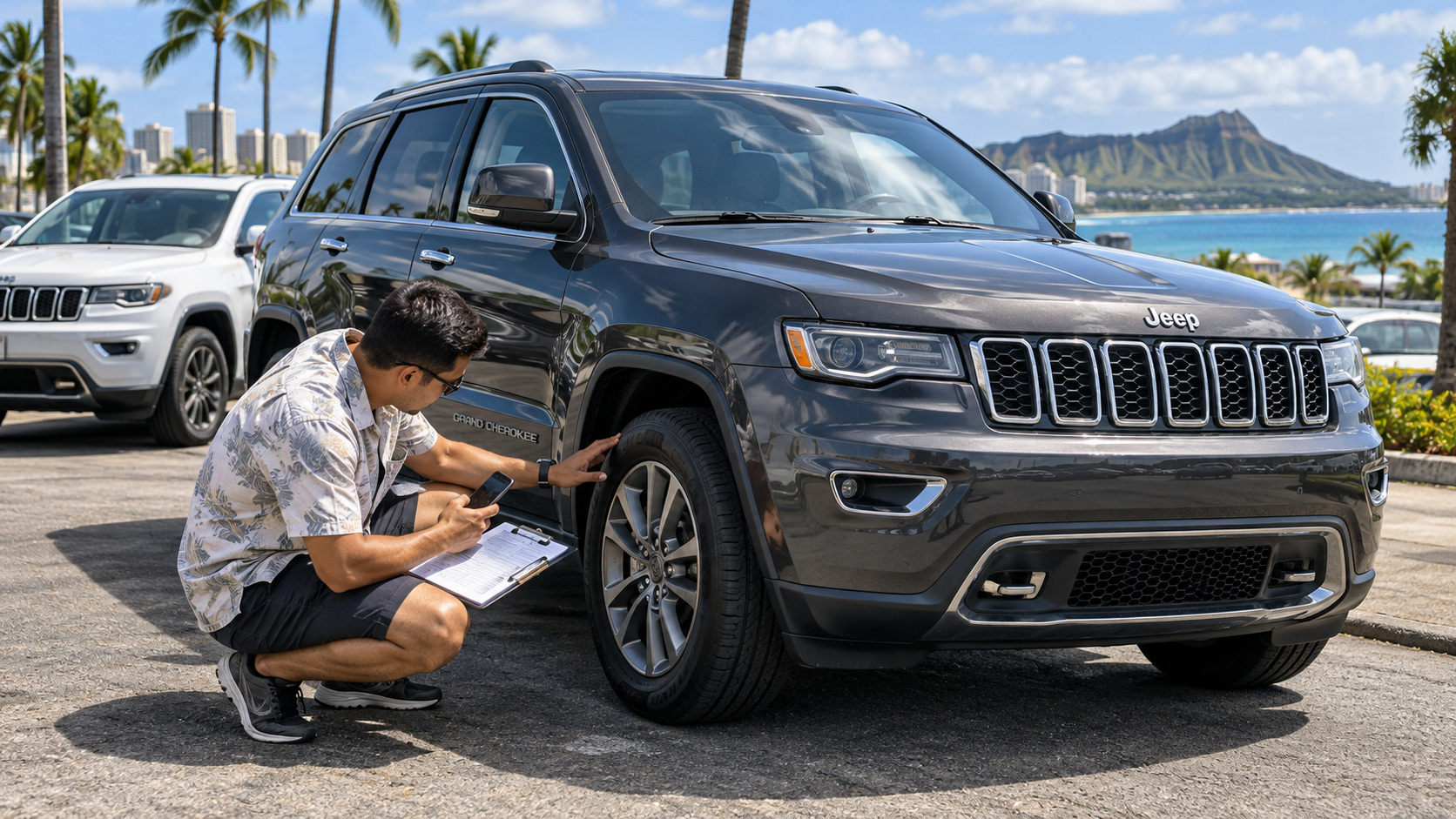
Used cars Honolulu Hawaii shoppers compare can look nearly identical at first. Yet their prices may differ for several concrete reasons. For this reason, price starts with the individual vehicle, then changes with mileage, condition, history, equipment, and the local market. Therefore, a useful comparison needs more than the model year and asking price. You need to look at the whole vehicle before deciding whether the number makes sense.
Why Two Similar Used Vehicles Can Have Different Prices
Why can two vehicles from the same year carry different prices? The answer starts with the details tied to each specific vehicle. A used SUV may share a model year with another example. Yet the two may differ in mileage, trim, service records, or prior damage.
Therefore, treat the sticker price as one part of the comparison. A lower listed price may reflect more miles, fewer features, visible wear, or a different history. By contrast, a higher price may reflect lower mileage, stronger service records, added equipment, or recent reconditioning.
Used cars Honolulu Hawaii shoppers review deserve a complete vehicle comparison. In addition, the closest match is one with a similar year, trim, mileage range, and equipment list. After that, history and condition provide more context.
That process also makes price differences easier to explain. Instead of asking why one vehicle costs more, ask what separates the two examples. The answer may come from several small differences working together.
How Age, Mileage, and Condition Shape the Starting Value
Does lower mileage always mean the stronger value? No. Mileage matters, but it needs to be read beside age, care, and physical condition.
Age creates the first reference point. A newer vehicle usually sits beside other vehicles from a similar model year. However, mileage then adds another layer. A five year old vehicle with 35,000 miles presents a different record than one with 85,000 miles.
Condition adds more detail. Paint damage, worn tires, interior wear, brake life, suspension wear, or overdue service can all change the comparison. Therefore, two vehicles with similar mileage can still deserve different prices.
Used cars Honolulu Hawaii shoppers examine should also show signs of care. Service records can show whether the owner completed routine maintenance on time. In addition, a pre purchase inspection can reveal issues that are not obvious during a short walkaround.
Mileage is useful because it gives a quick measure of use. Still, it should never carry the full decision by itself. A lower mileage vehicle with poor upkeep may be less appealing than a higher mileage example with strong records.
Why Vehicle History and Maintenance Records Change the Number
How much should vehicle history matter when comparing prices? It matters because history can reveal events that are not visible from the outside.
A history report may show prior accidents, title concerns, ownership changes, or odometer records. Therefore, it gives shoppers another layer of context before comparing two listings. The type of event also matters. Minor cosmetic damage is different from a major collision or title issue.
Furthermore, maintenance records add another view. Oil changes, brake service, tire replacement, fluid service, and larger repairs can show how the owner cared for the vehicle. In addition, complete records can make future maintenance planning easier.
Used cars Honolulu Hawaii shoppers consider need review for both history and current state. A clean report does not replace an inspection. Likewise, a prior repair does not tell the entire story without more detail.
The most useful question is simple. What does the history tell you about the life of this specific vehicle? That answer gives the listed price more context.
How Trim, Equipment, and Configuration Change a Comparison
Why does one version of the same model cost more? Trim level and installed equipment can change what the vehicle includes.
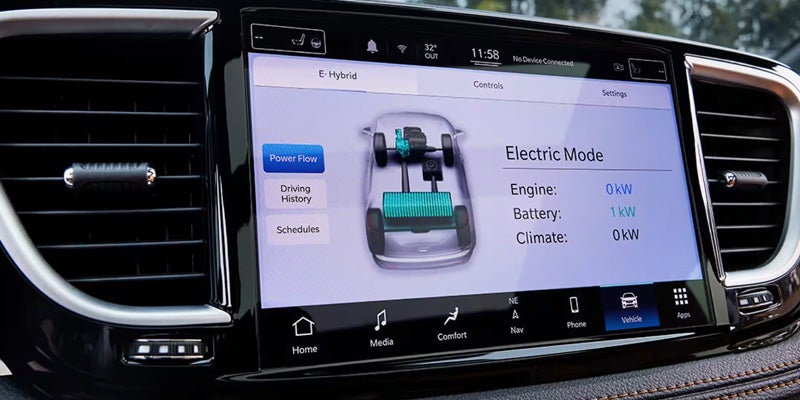
Two vehicles may share the same model name and year but still have very different equipment. One may include four wheel drive, upgraded seating, driver assistance features, a larger screen, or a stronger audio package. Therefore, comparing the prices without checking the build can create a false mismatch.
Moreover, factory options also matter because they change the original configuration. Some equipment remains useful for years after the first sale. In addition, certain features may be harder to find in local inventory.
Used cars Honolulu Hawaii listings deserve the closest possible trim and equipment match. Start with the exact model and year. Then compare drivetrain, trim, seating, technology, safety equipment, and major factory packages.
A fair comparison does not require identical vehicles. However, it should account for important equipment differences before judging the price gap.
Why Honolulu Market Pricing Needs Local Comparisons
Should you judge Honolulu pricing only against national averages? No. Local pricing matters because nearby transaction data and available inventory shape vehicle values.
Still, national tools are useful for a broad reference point. However, local data can make those tools more useful. Local demand, available supply, trim availability, and recent transactions all shape the range shoppers may see.
Therefore, check used cars in Honolulu against nearby vehicles with similar details. Look for the same model year, trim, mileage range, and equipment. Then compare history and condition where that information is available.
In addition, pay attention to how many close matches you can find. A common configuration gives you more examples for comparison. A harder to find version may have fewer direct matches.
Local comparison does not mean accepting any listed price. Instead, it gives you a more relevant group of vehicles to review before making a judgment.
How to Decide Whether a Used Vehicle Price Makes Sense
What should you compare before deciding whether a listed price is fair? Start with the complete vehicle, not the price alone.
First, match the year, model, and trim as closely as possible. Next, compare mileage, equipment, history, and visible condition. Then check nearby listings and recognized valuation tools for added context.
Used cars Honolulu Hawaii shoppers evaluate become easier to compare with the same checklist each time. This keeps one detail from taking over the decision. It also makes it easier to spot why one vehicle may justify a different price.
Therefore, focus on the full package. A fair price should make sense beside similar local examples. When the details line up, the number becomes easier to judge.
As a result, that approach gives you a clearer way to shop. You can compare each vehicle on its own record, then decide which option fits your needs and budget.