




Cutter Chrysler Dodge Jeep Ram Fiat Honolulu

Blog / Honolulu Dodge Dealer

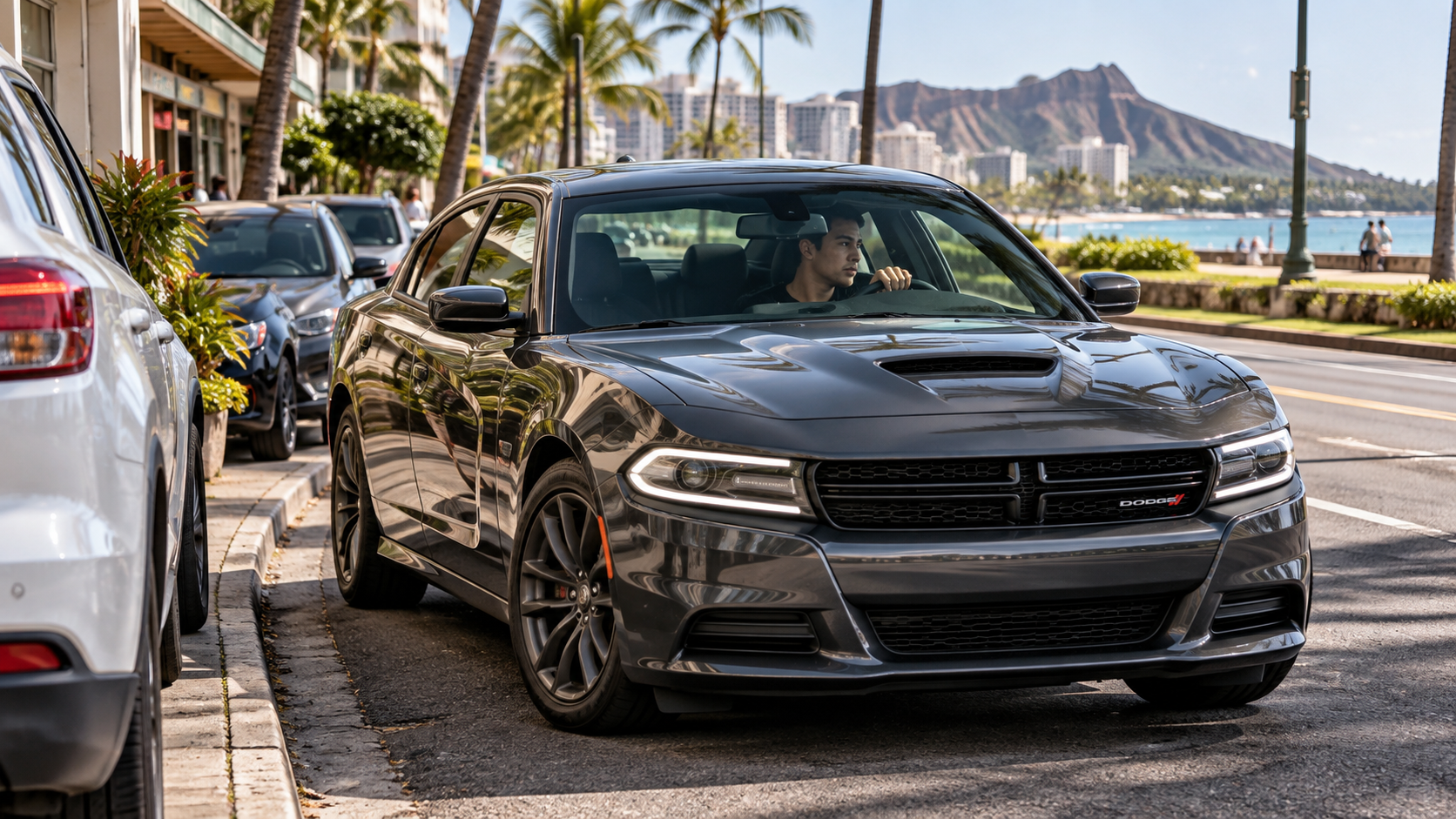
Dodge Charger Honolulu Daily Driving Guide for Oahu

The Dodge Charger Honolulu drivers consider should fit more than their interest in power. Daily comfort, fuel needs, passenger space, and parking also matter across Oahu. Additionally, Honolulu travel includes short trips, dense traffic, steep grades, and crowded parking areas. Therefore, a Charger should match the routes you drive each week. Moreover, door count, power source, and cabin access deserve equal review. This guide explains those points before you compare available models.

Match the Charger to Your Honolulu Routine

Is a Dodge Charger good for daily driving in Honolulu? A Charger can suit daily travel when its layout and fuel needs match your routine. First, start by listing your common trips. Include work commutes, school runs, grocery stops, beach visits, and longer drives across Oahu.

Next, record the frequency of rear-seat use by adults or children. A two-door Charger keeps the coupe shape, yet rear entry takes more effort. A four-door Charger makes repeated passenger loading easier. Therefore, frequent rear-seat use may favor the four-door body.

Additionally, parking deserves an honest review. Measure your garage, driveway, or assigned stall before choosing a trim. In addition, check door clearance beside walls, posts, and nearby vehicles. The Charger has a broad stance, so space awareness matters during tight maneuvers.

Finally, your weekly mileage completes the first review. Short city trips place different demands on fuel than longer highway drives. Consequently, a test drive should follow roads you use regularly. Try common turns, ramps, parking areas, and traffic speeds.

Use these questions during that drive:

  • Can you see curbs, lane edges, and nearby vehicles from your normal seating position?
  • Can rear passengers enter without making each stop feel awkward or slow?
  • Can the Charger fit your usual garage, stall, or curbside space with room to exit?

These checks turn a general model search into a personal fit review.

Understand Power During City Travel

Does strong engine output make city travel harder? Output sets acceleration potential, while your right foot and selected drive mode shape response. For this reason, review the 2026 Charger R/T twin-turbo 3.0-liter straight-six engine. It produces up to 420 horsepower and 468 pound-feet of torque.

The Charger Scat Pack raises output to 550 horsepower and 531 pound-feet of torque. However, higher output does not require aggressive driving. Smooth pedal inputs keep launches controlled during traffic. In addition, standard all-wheel drive sends power through all four wheels during acceleration.

That traction can support starts on wet pavement or steep streets. Still, tire tread and speed remain central to grip. All-wheel drive cannot shorten every stop or replace careful braking. Therefore, review tire type, tire wear, and brake feel during the test drive.

Moreover, strong torque can make highway merging feel direct. The engine builds force quickly through its twin turbochargers. Consequently, drivers may need less pedal travel when joining faster traffic. That response can feel useful near busy ramps or short merge lanes.

Additionally, drive modes can change steering weight and power delivery. Test the normal road setting before exploring sport-focused settings. The normal setting gives the clearest view of routine travel. Moreover, it shows how the Charger responds during gentle starts and low-speed turns.

Review Fuel Use Before Choosing a Trim

How should Charger fuel economy guide a purchase? Published ratings provide a comparison point, while route length and traffic shape weekly fuel spending. Dodge lists the 2026 Charger R/T at 16 mpg city and 23 mpg highway. Its combined rating is 19 mpg.

First, begin with your usual weekly mileage. Then divide those miles by a realistic fuel estimate. Use the city figure when most travel includes short trips and frequent stops. Use a mixed figure when your week includes open highway travel.

For instance, 190 weekly miles at 19 mpg requires about 10 gallons. That estimate does not promise an exact result. However, it creates a clear budget starting point. Air conditioning, cargo weight, idle time, and quick acceleration may raise fuel use.

Moreover, fuel grade deserves attention. Dodge recommends premium unleaded for the listed 2026 Charger configuration. Therefore, compare local premium prices with your expected weekly gallons. That calculation gives a clearer ownership estimate than mpg alone.

By contrast, the electric Charger Daytona follows a different routine. Charging access becomes more central than fuel station distance. Dodge lists more than 265 miles of electric range for the Daytona Scat Pack. In addition, Dodge includes a 32-amp Level 2 charger and charging dongle with a new 2026 Daytona.

Before choosing electric power, review these items:

  • Confirm whether your home parking area supports a suitable outlet or installed charger.
  • Compare your longest regular Oahu drive with the listed range and expected charging stops.
  • Check public charging locations near work, shopping, and other repeated destinations.

A gas Charger suits quick refueling. An electric Charger may suit drivers with dependable overnight charging. Therefore, the easier routine rests on your parking access and weekly travel pattern.

Check Space, Doors, and Parking

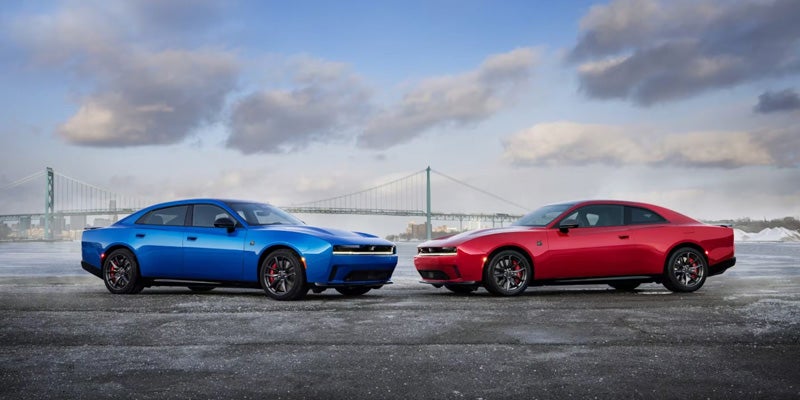
Is a two-door Charger suitable for regular passengers? The coupe can carry rear passengers, yet four doors simplify repeated entry. This choice matters more than a single rear-seat measurement. Think about who rides with you and their entry frequency.

For this reason, families may prefer four doors for child seats, school bags, and frequent stops. By contrast, solo drivers may value the coupe shape more than rear access. Couples who rarely carry passengers may also find two doors sufficient.

In addition, the liftback rear opening adds another useful dimension. It opens with the rear glass and exposes a broad loading area. Therefore, larger boxes or beach items may load more easily than through a small trunk opening. Folded rear seats can create more room for longer items.

However, cargo should remain secured. Loose objects can move during sudden braking or sharp turns. Use tie-down points when available, and keep heavy items low. This setup protects passengers and preserves rear visibility.

Honolulu parking can require careful planning. The city operates meters, tow-away zones, and restricted residential parking areas. Consequently, drivers should read signs before leaving any vehicle. A larger footprint also makes camera views and parking sensors useful during close maneuvers.

Finally, test parking equipment during the drive. Check the camera image, sensor alerts, mirror coverage, and turning circle. Moreover, practice entering a space similar to your home stall. A few minutes of testing can reveal more than a specification sheet.

Choose the Charger Layout That Fits Oahu

Should a Honolulu driver choose gas or electric power? Gas suits quick refueling, while electric power suits reliable charging access. The better fit starts with your weekly route and parking setup.

Additionally, the Charger R/T pairs strong output with a familiar fueling routine. The Scat Pack adds more power for drivers who place acceleration higher on their list. The Daytona replaces fuel stops with charging sessions. Each version also offers two-door and four-door choices.

Before making a final selection, compare five points. Review passenger frequency, parking width, weekly mileage, fuel costs, and charging access. Then test the exact body style and power source under consideration.

A Dodge Charger can handle Honolulu commuting without losing its bold identity. Yet the correct version should fit your routine before it impresses on paper. Therefore, choose the layout that makes ordinary trips easier to manage. That decision keeps power, space, and daily travel working together.
Posted in:

Related Posts

Dodge Durango vs Three Row SUVs Explained

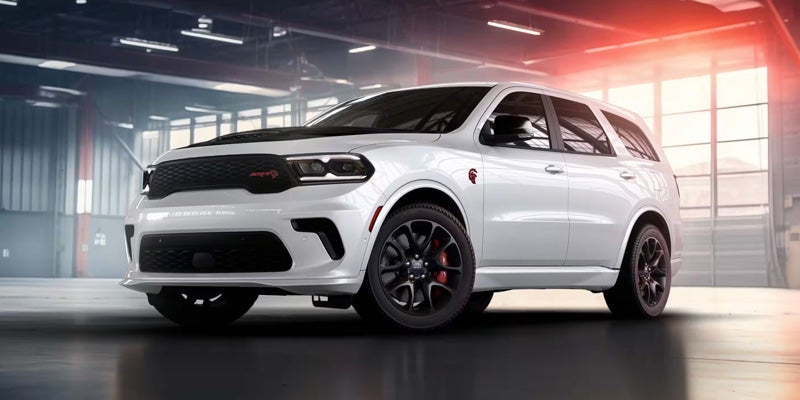
Dodge Durango vs three row SUV comparisons usually focus on horsepower and cargo measurements, though drivetrain layout, suspension tuning, towing calibration, and passenger packaging shape how these SUVs drive and haul weight. The Dodge Durango approaches the three row SUV category differently because its structure emphasizes rear wheel drive dynamics, stronger acceleration response, and higher towing support than most crossover based competitors. Buyers researching the Durango are usually trying to understand whether the SUV sacrifices passenger comfort and cargo organization in exchange for acceleration and towing strength. The answer starts with chassis structure, torque delivery, suspension loading, and interior packaging geometry. Why the Dodge Durango Feels Different From Most Three Row SUVs One of the first things drivers notice about the Dodge Durango is that it does not feel like most crossover based three row SUVs. That difference begins with drivetrain architecture. Most three row crossovers use front wheel drive based layouts where the front axle handles the majority of steering, acceleration, and drivetrain weight. The Dodge Durango uses a rear wheel drive based platform structure. Rear wheel drive changes how weight transfers through the SUV during acceleration, towing, and cornering. During acceleration, weight naturally shifts toward the rear axle. A rear wheel drive SUV uses that weight transfer to increase traction at the driven wheels. That creates stronger launch feel and more balanced acceleration response during highway merging or passing. The Durango structure changes vehicle response in several ways: more • Steering feels lighter during acceleration because front wheels focus more heavily on directional control • Rear axle traction increases during heavier throttle input • Weight distribution feels more balanced during highway lane transitions • Towing stability changes because trailer load transfers more evenly across the chassis The Dodge Durango also uses a lower roofline and wider stance than several crossover based competitors. That lower center of gravity reduces larger body roll movement during cornering and highway ramps. Drivers asking whether the Durango feels truck like are usually noticing suspension firmness, drivetrain balance, and rear wheel drive weight transfer. The SUV still uses unibody construction, though the drivetrain layout creates a different road feel than front wheel drive crossovers. How Horsepower and Torque Shape SUV Acceleration Does the Dodge Durango have more horsepower than most three row SUVs? In many configurations, yes. The more important measurement, however, is torque delivery. Horsepower measures work completed over time. Torque measures rotational pulling force. Larger SUVs respond more noticeably to torque because heavier vehicle weight requires stronger rotational force to accelerate effectively. The Dodge Durango R/T uses a V8 engine configuration that creates strong low and mid RPM torque delivery. Lower RPM torque changes how the SUV responds during passing, merging, and towing because acceleration force arrives earlier during throttle application. This changes acceleration feel substantially: • Highway passing requires less transmission downshifting • SUV acceleration feels stronger during lower RPM operation • Heavier passenger or cargo loads affect acceleration less aggressively • Merging into faster traffic requires less throttle travel The Durango GT V6 configuration approaches acceleration differently. The V6 setup balances smoother fuel usage with more moderate acceleration response during commuting situations. Engine size also changes cooling system requirements. Higher output engines generate more thermal load during towing and acceleration. The Durango towing package configurations increase cooling support through radiator, transmission cooling, and airflow management upgrades. Acceleration discussions surrounding SUVs usually focus only on horsepower numbers. Torque delivery timing shapes how acceleration feels far more during normal driving situations. What Towing Ratings and Suspension Tuning Change in Three Row SUVs How much can the Dodge Durango tow? That answer changes based on engine configuration, drivetrain setup, cooling systems, and suspension calibration. Suspension calibration controls how the SUV reacts when trailer tongue weight compresses the rear suspension. Trailer tongue weight presses downward behind the rear axle, changing steering response, braking balance, and body movement. The Dodge Durango towing setup changes trailer stability through: • Rear suspension tuning that resists excessive rear squat • Longer wheelbase stability during highway towing • Cooling system support for engine and transmission temperatures • Rear wheel drive traction loading during trailer acceleration Trailer towing also changes braking physics. Heavier trailer loads increase stopping distance because more rotational mass pushes forward during braking. Suspension compression during braking changes front tire loading and steering feel. Wheelbase length also impacts towing control. Longer wheelbase SUVs resist abrupt trailer sway movement more effectively because the trailer force applies farther behind the vehicle center of rotation. This becomes noticeable during: • highway crosswinds • downhill braking • trailer lane transitions • uneven pavement movement • emergency steering corrections Three row SUV towing discussions usually stop at maximum trailer ratings without explaining how suspension tuning and drivetrain structure change towing response under load. How Interior Dimensions and Cargo Layout Affect Passenger Space How much passenger space does the Dodge Durango provide? Interior dimensions only explain part of the answer because seating geometry and cargo floor layout change usable space more than raw measurements alone. Third row SUV packaging requires balancing passenger spacing, cargo floor depth, and roof height simultaneously. Some SUVs prioritize larger cargo floors while others focus more heavily on third row accessibility. The Dodge Durango uses a lower roofline and more performance oriented cabin structure than taller crossover competitors. That changes seating posture and cargo floor positioning throughout the cabin. The Durango interior layout changes passenger and cargo organization through: • Lower cargo floor height behind the rear hatch • Wider center cabin spacing during second row seating • Third row packaging balanced closer toward occasional passenger usage • More aggressive front seat bolstering during highway driving Cargo floor geometry also affects luggage organization. Taller cargo floors reduce vertical loading depth while flatter floor structures support easier stacking and equipment positioning. Passenger comfort also changes through wheelbase spacing. Longer wheelbase dimensions increase legroom distribution between seating rows, though roofline shape and seat cushion height still affect how spacious the cabin feels during longer drives. Drivers comparing the Durango against larger crossover SUVs are usually evaluating how passenger flexibility balances against towing strength and acceleration response. Which Three Row SUV Priorities Fit the Dodge Durango Best The Dodge Durango fits buyers prioritizing stronger acceleration response, higher towing support, and rear wheel drive handling characteristics inside the three row SUV category. The Durango R/T configuration emphasizes V8 torque delivery, stronger towing support, and more aggressive acceleration response. Buyers towing trailers, boats, or heavier cargo may prefer this setup because drivetrain calibration prioritizes pulling force and highway stability. The Durango GT configuration balances passenger hauling and commuting more evenly through its V6 drivetrain setup and smoother fuel usage profile. Different SUV priorities fit different buyers: • Durango R/T prioritizes acceleration and towing response • Durango GT balances passenger hauling with smoother commuting operation • Taller crossover SUVs usually prioritize maximum passenger packaging • Lower roofline SUV structures prioritize more controlled directional response The Dodge Durango remains different from most three row SUVs because its engineering priorities center around rear wheel drive chassis balance, stronger torque delivery, and towing calibration instead of maximizing cabin height and cargo volume alone. That distinction shapes how the SUV accelerates, corners, hauls weight, and distributes passenger space across the entire platform.