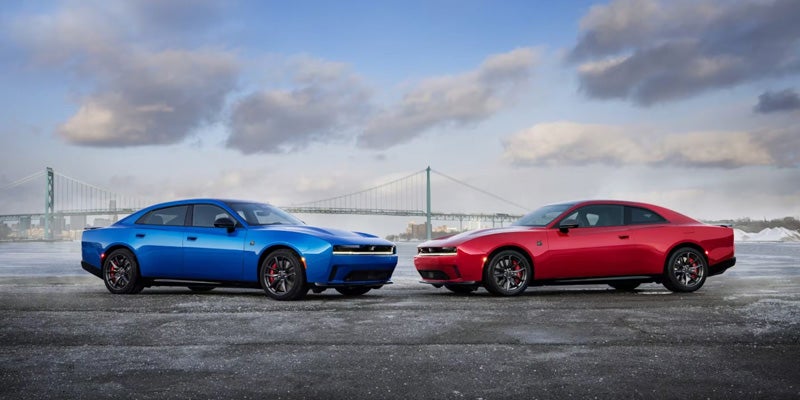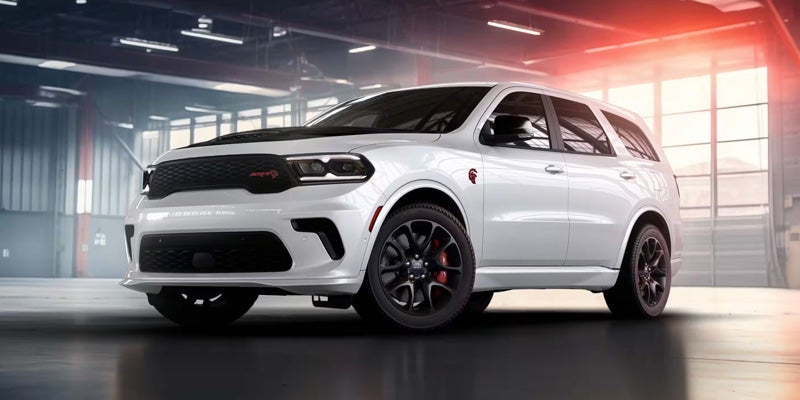





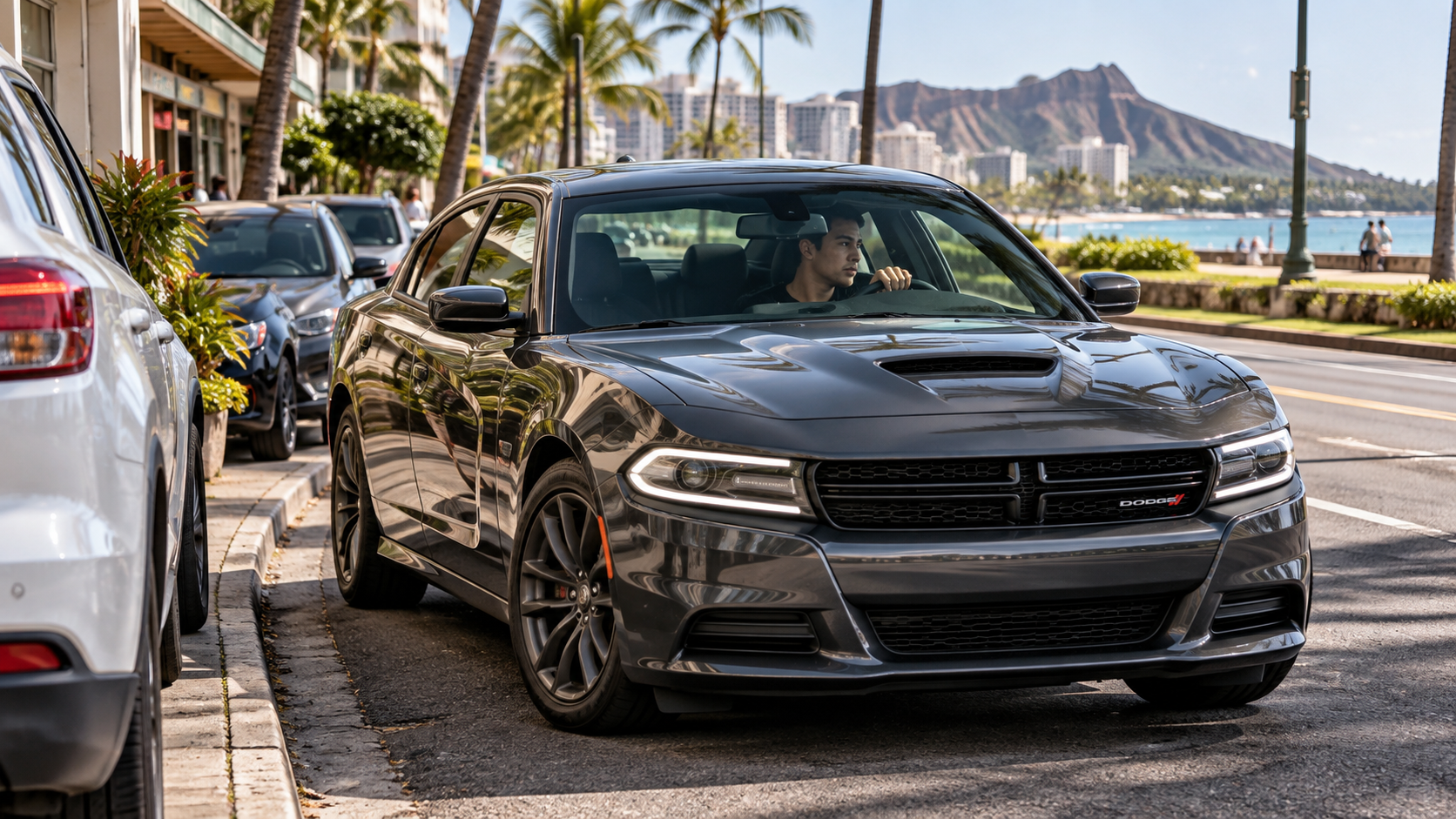
Dodge Charger Oahu driving means balancing strong power with traffic, parking, tighter streets, and longer stretches of open road. The car feels substantial from the moment you settle in. Therefore, smooth inputs matter more than dramatic ones during normal island travel. The Charger rewards careful throttle use, steady steering, and a clear sense of its size. That mix can work well on Oahu when you know what the car asks from you.
How the Charger Feels in Honolulu Traffic
Is a Dodge Charger manageable in Honolulu traffic? Yes, but the car feels large and eager even at lower speeds. Therefore, light throttle inputs make stop and go travel smoother. The car responds quickly when space opens, so small pedal movements can be enough.
The steering also carries more weight than some smaller sedans. That can make the Charger feel planted while moving through steady traffic. However, the same weight asks for a little more attention during tight lane changes.
Traffic pace can shift quickly around Honolulu. For this reason, the Charger works best when you leave room ahead and avoid abrupt inputs. Smooth braking also keeps the car settled when traffic compresses without warning.
The car’s size becomes easier to manage once you learn its sightlines. In addition, the wide cabin gives you a strong sense of the road around you. Still, tighter lanes may take more focus until the dimensions feel familiar.
What the Charger’s Size Means on Oahu Streets
Does the Charger feel large on tighter streets? Yes, because its long body and wide stance take more space than a compact sedan. Therefore, lane placement becomes part of the daily routine.
The long hood can make close turns feel different at first. You may need a wider visual reference when entering narrow side streets. In addition, the car asks for more care near curbs, walls, and tight driveways.
Oahu roads can shift from broad arterials to narrower neighborhood routes quickly. For this reason, the Charger can feel calm on a wide road and more demanding one block later. The change comes from space, not from the car becoming harder to control.
A steady pace makes those transitions easier. Moreover, the Charger responds well when you plan turns early and keep the steering smooth. The car feels less cumbersome once your lane position becomes consistent.
Why Parking Takes More Attention
Is the Dodge Charger difficult to park? It can take more care because the body is long and the hood extends far ahead. The rear corners also require attention in tighter spaces.
Therefore, parking works best when you slow the process down. Use clear reference points, straighten the car early, and avoid rushing the final approach. In addition, available cameras and sensors can make tight spaces easier to judge.
The most useful parking checks focus on the Charger’s full footprint before you finish the maneuver.
- Watch the front corners closely because the hood extends farther than it may appear from the driver’s seat.
- Check side clearance before turning into a narrow space so the wide body stays centered between nearby cars.
- Use available camera and sensor views as supporting references while still checking mirrors and surrounding traffic.
Parallel parking can take more room than it would in a smaller sedan. However, the main issue is not steering response. The challenge is judging the car’s full footprint from the seat.
Parking lots with narrow spaces can demand the same care. For this reason, choosing a spot with more side clearance can make entry and exit easier. The Charger feels much less demanding when the surrounding space gives you room to work.
How the Ride Changes Across Different Roads
What does the Charger feel like over rough pavement? The ride can feel firm when the road surface becomes broken or uneven. Therefore, wheel size and tire sidewall can change how much texture reaches the cabin.
A setup with larger wheels may feel sharper over cracks and patched sections. By contrast, more tire sidewall can soften those impacts. The suspension also plays a role in how quickly the body settles afterward.
On smoother pavement, the Charger feels composed and steady. In addition, its weight gives the car a planted feel through longer bends. That can make open stretches feel relaxed when traffic clears.
Rougher streets bring a different character. Still, the car does not lose its sense of control. You simply notice more of the road through the seat and steering wheel.
Where Charger Power Makes the Most Sense
Where does the Charger’s power feel most useful in ordinary driving? Highway merging and passing are two clear situations. The car can build speed quickly without requiring a long run up.
Therefore, the power works best as a reserve instead of a constant demand. A smooth press of the throttle can create enough response for a merge or lane change. There is rarely a need for abrupt pedal movement.
On longer Oahu routes, that response can make highway travel feel easier. In addition, the car feels stable once it settles into a steady pace. That combination suits drivers who want strong response without giving up everyday comfort.
Several everyday situations show where the Charger’s power is easiest to use with restraint.
- A short highway entrance can call for quick, measured acceleration before matching the speed of surrounding traffic.
- Passing a slower car on a multi lane road can require brief throttle input without keeping the engine under heavy demand.
- Returning to speed after congestion clears can feel smooth when the driver adds power gradually instead of using abrupt pedal movement.
The key is restraint. Moreover, measured throttle use keeps the car calm in traffic while preserving quick response when space opens.
What to Consider Before Using a Charger as an Oahu Daily Driver
Is a Dodge Charger a sensible daily car on Oahu? It can be, as long as you are comfortable with its size and firm road feel. Parking, lane placement, and tight streets deserve as much attention as power.
Before choosing one, think about your normal routes. Consider your time in tight parking garages, narrow neighborhood roads, or congested city streets. In addition, consider how much time you spend on wider highways.
A useful test drive should cover the places where the Charger will spend most of its time.
- Drive through slower traffic so you can judge throttle response, steering weight, and forward sightlines at lower speeds.
- Park in a typical space so you can judge the hood length, side clearance, mirrors, and available camera views.
- Try a smoother highway stretch so you can feel how the car settles at speed and responds during a normal merge.
The Charger makes the most sense when its strengths match those routes. Strong response supports merging and passing, while the broad stance feels settled at speed. However, the same size asks for extra care when space gets tight.
For this reason, a test drive should include more than one type of road. That gives you a clearer sense of how the car fits your routine.
Dodge Charger Oahu ownership works best when you judge the whole drive. Power is only one part of the decision. Size, visibility, ride feel, and parking matter every day. When those traits fit your routine, the Charger can feel rewarding across a wide range of island roads.