




Cutter Chrysler Dodge Jeep Ram Fiat Honolulu

Blog / Honolulu CDJRF Dealer

Jeep Grand Wagoneer Honolulu for Family Space and Comfort

jeep grand wagoneer honolulu

Jeep Grand Wagoneer Honolulu families may consider when three rows must carry people and gear on the same trip. The cabin combines flexible seating, generous row space, and rear storage in one full size SUV. However, family fit comes from more than the number of seats. Second row layout, third row access, cargo room, and passenger controls all shape the day. Therefore, a useful review starts with how your family moves through the cabin.

Grand Wagoneer Space for Honolulu Families

What makes Jeep Grand Wagoneer Honolulu worth considering for a larger family? It gives families three rows with seating for up to eight people. However, the strongest cabin advantage is how that space is divided among passengers and gear.

Second row room gives adults and older children space to sit without crowding the front seats. In addition, generous legroom can make child seat installation easier to manage. Families should still test their own seats before choosing a configuration. Different child seats use different widths and attachment points.

The third row also deserves a real test before choosing any three row SUV. Sit there with the second row placed where regular passengers need it. Therefore, you can check knee room, foot room, head clearance, and access in one visit.

Jeep Grand Wagoneer Honolulu shoppers should also consider who rides where most days. A family with small children may prioritize easy access to row three. By contrast, a family carrying more adults may place greater weight on second and third row space.

Seven or Eight Passenger Seating

Should your family choose captain chairs or the available second row bench? Captain chairs create a center path, while the bench adds another seating position. Therefore, the choice changes both passenger count and movement through the cabin.

Captain chairs can make row three access easier because passengers can move between the second row seats. In addition, children may reach the rear row without folding a seat each time. That path can also help when one second row position holds a child seat.

The available bench raises total seating to eight. Therefore, it may suit larger households or families who carry extra passengers regularly. The tradeoff is a different path toward the third row.

Before choosing, test the seating arrangement with your normal passenger mix:

  • Place child seats in the positions you expect to use and check access to the third row.
  • Have adult passengers sit in rows two and three so everyone can judge knee room and entry space.
  • Fold and slide the seats yourself so you know how the layout works during school runs or weekend trips.

Jeep Grand Wagoneer Honolulu families may find that seating arrangement matters more than the maximum passenger number. For this reason, compare both layouts before choosing a trim.

Cargo Room With Three Rows in Use

How much does cargo space matter with all three rows occupied? It is the storage left behind row three without removing passenger seating. Therefore, that rear area deserves attention before maximum cargo figures.

Beach bags, groceries, sports equipment, strollers, and luggage can fill rear space quickly. In addition, families may carry several of those items on one outing. Maximum cargo volume cannot answer that question when the seats must stay raised.

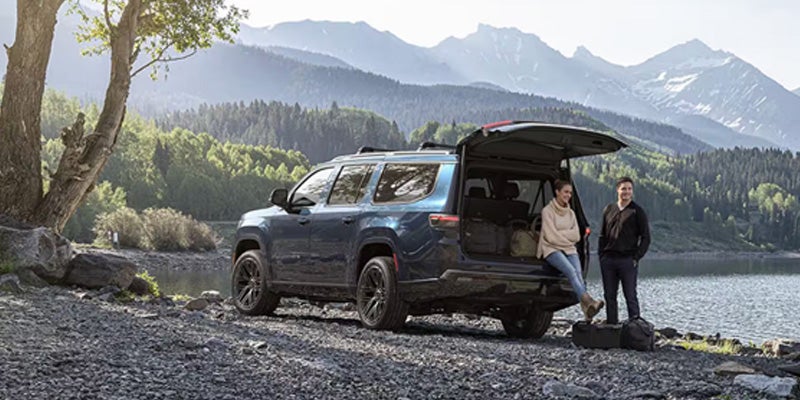
Jeep Grand Wagoneer Honolulu shoppers should open the rear hatch and study the usable floor area. Check width between the side panels, floor depth, and liftgate clearance. Moreover, bring a stroller or large bag if rear storage is a major concern.

A few checks can make the comparison more useful:

  • Load the largest item you carry regularly and see what room remains beside it.
  • Keep row three raised while testing bags so the cabin matches a full passenger trip.
  • Check how easily smaller items can be reached without unloading everything around them.

The standard Grand Wagoneer can handle many family trips with all rows available. However, families carrying more gear may want to compare the longer L body. That extra rear length can create more storage behind the passenger cabin.

Rear Passenger Technology for Family Travel

Do rear entertainment screens make sense for island family travel? They can give rear passengers built in viewing without relying only on handheld devices. The available dual 10.1 inch screens include Amazon Fire TV Built In.

That setup can be useful during longer drives across Oahu. In addition, separate screens let rear passengers choose different content. Parents should still review connectivity needs and account access before relying on streaming during a trip.

Jeep Grand Wagoneer Honolulu families can also review second row climate and seat controls on qualifying models. Separate controls give rear passengers more direct access to cabin settings. Therefore, adults and older children can make adjustments without asking the front row each time.

Technology should still match the family routine. Some households may prefer simple controls and personal devices. Others may value integrated screens and separate rear controls for longer drives.

Before selecting a trim, sit in the second row and use the controls yourself. Moreover, check screen placement, menus, charging access, and climate controls. Those details show whether the cabin technology fits how your passengers travel.

Grand Wagoneer or Grand Wagoneer L

When should a family consider Grand Wagoneer L? The longer body makes the strongest case when three rows stay occupied and cargo needs remain high. Therefore, the decision centers on rear storage more than passenger count.

Both body lengths keep the broad three row format. However, the L gives families more room behind the cabin for luggage and larger gear. That can matter for airport runs, beach days, sports weekends, or extended family outings.

Jeep Grand Wagoneer Honolulu shoppers should also think about parking space and home garage length. More cargo room comes with more exterior length. Therefore, measure the places where the SUV will spend the most time.

A family that rarely fills the rear cargo area may prefer the standard body. By contrast, families carrying gear behind an occupied third row may favor the L. The useful choice comes from matching cabin space with the trips you already make.

Cutter Chrysler Dodge Jeep Ram FIAT Honolulu can place available Grand Wagoneer models side by side for a closer look. Bring the passengers and gear that shape your normal week. Then test seating access, rear storage, controls, and body length before choosing the version that fits your family.

Posted in:

Related Posts

Best Time to Trade In a Car: Honolulu Timing Guide

The best time to trade in a car depends on mileage, loan equity, repair needs, and current Honolulu demand. A calendar date cannot answer every part of that decision. Instead, review what your vehicle is worth today and what keeping it may cost next. This approach gives you clear signals before you visit a dealership. It also reduces surprises during the appraisal. Start With Your Current Trade Position When is the best time to trade in a car? The right point arrives when current value, loan equity, mileage, and near term costs support a change. Begin with an estimated trade value from more than one pricing source. Then request the payoff amount from your lender. Next, compare those numbers. Positive equity means the appraisal exceeds the payoff. Negative equity means the payoff exceeds the appraisal. Therefore, the gap must be paid or included in the next finance agreement. That step shows whether trading now fits your budget. Vehicle age also deserves attention. New vehicles lose value quickly during their early years. However, waiting longer may bring higher mileage, expired coverage, or larger repair bills. Your service history can support the appraisal by showing regular care. Keep receipts for oil changes, tires, brakes, and major repairs. Before visiting an auto trade in dealership, gather several items: more Bring the title or lender details, registration, identification, and every available key. Collect maintenance records that show completed service and recent replacement parts. Remove personal items and clean the cabin so inspectors can view its state clearly. These steps do not set the offer. Still, they make the inspection easier and show what has already received attention. Watch Mileage and Maintenance Checkpoints Does reaching 60,000 miles immediately reduce trade value? A mileage checkpoint signals added wear and service needs, but it never sets one fixed amount. Appraisers review the odometer beside model year, service records, tire wear, warning lights, and local demand. Mileage matters because each added mile reduces the remaining road life available to the next owner. Yet two vehicles with equal mileage can receive different offers. One may have complete records and fresh tires. The other may need brakes, fluids, and suspension work. Major service intervals deserve close review. Some vehicles require spark plugs, transmission service, coolant service, or belt inspection near set mileage points. Therefore, check the maintenance schedule in the owner manual. Estimate what the next twelve months may require. Do not treat 100,000 miles as an automatic deadline. Some well-kept vehicles remain desirable beyond that mark. However, a higher reading may narrow resale demand and raise expected preparation costs. Requesting an appraisal before the next large service interval gives you a useful baseline. Mileage also connects with annual driving. A newer vehicle with high annual miles may show more wear than its age suggests. By contrast, an older vehicle with low miles may still need age-related rubber parts or fluids. Appraisers look at the full picture. Compare Repair Costs With Remaining Value Should you complete repairs before requesting an appraisal? Minor preparation may support presentation, while large repairs require a cost comparison before work begins. Start with safety items, warning lights, damaged glass, worn tires, and overdue service. Small tasks can make the inspection clearer. Replace burned-out bulbs, remove trash, and wash visible dirt from the exterior. However, avoid expensive cosmetic work without an appraisal. A dealership may repair the same damage through established service channels for less. Mechanical repairs require more caution. Suppose the vehicle needs air conditioning work, suspension parts, or transmission repair. First, request an estimate from a qualified technician. Then compare that cost with the current trade estimate and expected appraisal change. Use three questions before approving major work: Will the repair make the vehicle safe enough for inspection and transport? Is the repair cost lower than the likely increase in appraised value? Would keeping the vehicle after repair still fit your next two years? A dealership inspection can answer parts of this calculation. Therefore, request the appraisal before authorizing large repairs. You may learn that trading the vehicle as it sits makes more financial sense. Check Loan Equity Before Shopping Can you trade a vehicle while you still owe money? An active loan can remain during a trade, but the payoff amount changes the transaction. Contact the lender and request a current payoff quote. That number may differ from the balance shown on a monthly statement. Next, compare the payoff with the written appraisal. If the appraisal is higher, the remaining equity can reduce the next purchase amount. If the payoff is higher, negative equity remains. You must cover that gap or include it in new financing. Rolling a balance into another loan raises the amount financed. Consequently, it may increase interest costs and delay positive equity on the next vehicle. Review the full purchase amount, loan term, rate, and total interest. Do not judge the deal through monthly payment alone. Waiting may reduce the balance through more payments. However, the vehicle may also lose value or require repairs during that period. Compare the likely payoff reduction with expected depreciation and maintenance. A fresh appraisal gives you a starting figure for that review. Bring your lender details to the dealership. The appraisal team can verify the payoff and explain how equity appears in the paperwork. Clear numbers make the next decision easier to review. Read Honolulu Demand Before an Appraisal Why can the same vehicle receive a different offer in Honolulu? Local inventory, shipping expense, model demand, and preparation needs shape each appraisal. Oahu dealerships review what is already available and which vehicles shoppers are requesting. Island logistics add another layer. Vehicles arriving from the mainland require ocean transport, scheduling, and added expense. Therefore, a clean local trade may fill an inventory need without the same transport path. That factor does not guarantee a higher offer. It simply means Honolulu demand deserves a local appraisal. Body style also matters. A dealership may need more trucks, family SUVs, compact cars, or fuel-conscious models at different times. Brand, trim, color, mileage, and service history can shape resale interest. Current stock may change that interest from one month to the next. The strongest signal comes from a written appraisal. Before the visit, research your estimated value and collect the required records. Then ask how mileage, condition, equity, and local demand shaped the offer. Review the trade figure separately from the next vehicle price. The best time to trade in a car is when the numbers support your next move. Check value, payoff, repairs, mileage, and Honolulu demand together. That process makes trade timing easier to judge before you enter the showroom.