




Cutter Chrysler Dodge Jeep Ram Fiat Honolulu

Blog

All Blog Cutter Chrysler Dodge Jeep Ram Fiat Honolulu Service Honolulu Jeep Dealer Honolulu CDJRF Dealer Honolulu Dodge Dealer Driving Tips Honolulu Fiat Dealer Honolulu RAM Dealer
A person in a suit signs a contract with a pen, next to a blue toy car and car keys, suggesting a car purchase or insurance.

What's Hot In Honolulu: Should I Lease Or Finance My Car?

Key Takeaways: Leasing a car may be suitable if you don't have the cash to buy a vehicle outright, but you should be aware of the potential risks involved. Financing a car may be a better option if you have the cash to make a down payment, but you should be prepared to make regular payments on time. Make sure you understand the terms and conditions of whichever option you choose before signing any contracts.​ You may save money in the long term by buying a car outright or getting a loan with manageable payments. Do your research on cars that hold resale value well and have fewer maintenance issues. Cutter CDJR Honolulu is a trusted car dealership offering financing services to customers in Honolulu, HI, and the surrounding areas. If you're looking for a new car, you may be wondering if you should lease or finance it. Both options have their benefits and detriments, so it's crucial to weigh all the factors before deciding. Cutter CDJR Honolulu will give you the low-down of what's hot in Honolulu when it comes to car buying: Car Leasing Leasing a car may be preferable if you want lower monthly payments and don't plan on driving the car for very long. However, you will likely have to pay more in the long run if you go over the mileage limit or decide to buy the car at the end of the lease. If you're thinking about leasing a car, here are some terms you should become familiar with: 1. Capitalized Cost A vehicle's capitalized cost (cap cost for short) is its purchase price. Similar to buying a car, you should negotiate to get the lowest possible price. With most automotive-sponsored lease deals, this price is set in stone. However, with other leases, it's vital that you haggle to get the best deal possible. Cap cost reductions are any discounts taken off the capitalized cost, such as special lease deals from automakers. 2. Residual Value A car's residual value is a professional's estimate of the vehicle's anticipated value at the end of the lease term. A high residual value is ideal, while a low residual valuation makes you responsible for a larger proportion of a vehicle's capitalized cost. The slower a car's depreciation rate, the better of a lease deal you can get on it. Vehicles with higher residual values will depreciate more slowly than others. 3. Money Factor This would be simple for customers to understand if the leasing firms use the terms interest rate or mark up when discussing car lease agreements. Instead, they use a quantity known as the money factor to represent the total amount of interest included in each monthly payment. To convert the money factor to the standard interest rate, multiply it by 2,400. You may calculate the conversion yourself or let an online money factor calculator do it. Car Financing Financing a car can be a good choice if you want to own it outright and drive it without any mileage restrictions. However, you will be faced with higher monthly payments and must be mindful of the car's value as it depreciates over time. Financing Is Easier Than Leasing Many consumers find it simpler to acquire a vehicle loan than a lease. Most consumers are more familiar with obtaining a car loan than acquiring a leased automobile. Despite paying higher interest rates, subprime borrowers usually discover more car financing choices than lease alternatives. There are easy ways to get the best deals on car loans. Many lenders offer online applications, and multiple websites can provide quotes after application submission. In other words, you don't have to put in much effort to make lenders fight for your business. If you want the best possible financing deal for your new car, it's a good idea to have a pre-approved offer before going to the dealership. The car dealership may be able to find a loan with a lower interest rate or better terms than what you've been offered, but they'll only try if they know that they need to compete for your business. Also, the automaker may give extra rebates to customers who opt to get the car finance deal. In other words, those interested in taking out a loan might get better rates than someone looking to lease. Additionally, comparing the two deals accurately can be challenging because "the money factor" on a lease often differs from the interest rate offered on a loan. In short, taking out two three-year leases back to back may cost you thousands more than buying a car with cash or a loan and owning it for six years. The savings grow even larger if you keep the car for an additional three years (for nine years in total), despite common repairs and maintenance costs. If the limitations of a lease bother you, try financing a cheaper new car or opt for a used car that's in good condition, such as a certified pre-owned vehicle from a franchised dealership. Another option is to get a loan with more manageable payments. You can save money whichever route you go but do your research first on cars that hold their value well and have few maintenance issues. Certified pre-owned vehicles are popular among investors because they don't depreciate as much as a new car and have higher resale value. Also, please read our article on the pros and cons of buying certified pre-owned vehicles. After You Get the Car If you're financing the car, be sure to understand the following: 1. The Creditor Has a Lien on the Vehicle's Title The creditor or the dealership can legally claim the car if you don't make payments. The title can be transferred to your name when you've paid the contract in full. 2. Consequences of Late or Missed Payments The repercussions of defaulting on payment are severe in car financing. Late payments, repossession, and bad credit reports can make it more difficult to obtain credit in the future. Some car dealers may put tracking devices on a vehicle as part of the sale, which allows them to track down the car if they have to repossess it later. As part of the transaction, ask how the car dealership plans to install a device on your automobile, what purpose it will serve, and what you should do if the device causes an alarm. Need Car Dealership Financing Services in Honolulu, HI? No Problem! If you're looking for a financing option from a car dealership in Honolulu, be sure to visit Cutter CDJR Honolulu. We have a wide range of premium new and used cars, trucks, and SUVs. You're sure to find the perfect vehicle for you. And our financing option makes it easy to get the car you want at a price you can afford. We understand that no one's financial situation is the same, and we want to help you get the car of your dreams. We have you covered regardless of your credit score. You can apply for car financing online or come in and see us in person. Once you are pre-approved, the process of choosing your new car will be much easier. We look forward to helping you get behind the wheel of a new Chrysler, Dodge, Jeep, Ram, or FIAT! See us today! You won't be disappointed.

Someone pours blue windshield wiper fluid from a clear container into a car’s reservoir.

Antifreeze Vs. Coolant - Is Coolant The Same As Antifreeze?

Key Takeaways: Antifreeze and coolant are two terms that are often used interchangeably, but they are not the same thing. Antifreeze is a substance added to the coolant to lower its freezing point. Coolant is a mixture of water and antifreeze to keep engines from overheating. Antifreeze has different colors so that people can distinguish between them. You should change the coolant or antifreeze every few years. Antifreeze does not evaporate like water, so it can last longer. Coolant will eventually break down and needs to be replaced. Extreme heat and cold may have a negative impact on your automobile, so it's a good idea to brush up on engine cooling system maintenance as the seasons change. You must use antifreeze and coolant to keep your cooling system working properly. However, since many use the terms interchangeably, it can be challenging to understand what coolant and antifreeze signify and how they vary. Is antifreeze the same as coolant? To help you understand, Cutter CDJR Honolulu brings this brief guide on coolant and antifreeze. Keep reading! What Is Antifreeze? Antifreeze is a liquid that helps to lower the freezing point of water. It also can raise the boiling point of water. Antifreeze contains corrosion inhibitors that help to protect engine cooling system components, such as the radiator and water pump. What is Coolant? Coolant is a 50:50 mixture of water and antifreeze. The ratio of water to antifreeze in the coolant mixture depends on the climate. In cold climates, the coolant mixture contains more antifreeze than water. This assists in preventing the engine from freezing in cold weather. In hot climates, the coolant mixture contains more water than antifreeze to prevent the engine from overheating. Is Coolant the Same as Antifreeze? Even though coolant and antifreeze are frequently used interchangeably, they are not the same. The primary component of antifreeze, ethylene glycol or propylene glycol, must be combined with water to make the coolant, the liquid you will find in the cooling systems of all "water-cooled" automobiles. However, coolant and antifreeze serve the same purpose. Choose whether you want to purchase the concentrated or the pre-mixed version. What does the water in the engine mean? Water was the go-to remedy for overheating for a very long time. Its limited functionality is caused by its limited hot liquid range of 10 degrees Celsius, which expands when frozen. It can rupture various engine bay systems if not monitored. Antifreeze enters the picture to stabilize water and increase its cooling capacity. How does antifreeze or coolant work? Antifreeze lowers the freezing point and boosts the boiling temperature of the fluid that circulates the engine, whether purchased as an engine coolant that has already been combined or as a concentrate that you can prepare yourself. Antifreeze also aids in lubricating the engine's interior parts when mixed with water. The primary purpose of coolant is to keep the engine from overheating. Coolant transfers heat away from the engine and into the radiator, where it can be dissipated. Antifreeze as corrosion inhibitor: Antifreeze also contains corrosion inhibitors that protect the metal surfaces in the cooling system from rust and corrosion. These inhibitors are especially important in aluminum engines. So, if you're looking for an antifreeze/coolant for your car, check the product label to see if it's right for your vehicle. Choose a product that is compatible with both aluminum and cast iron components, as well as one that contains corrosion inhibitors. And most importantly, follow the manufacturer's recommendations for the proper mix of antifreeze and water. Where do you fill antifreeze and coolant? Antifreeze and coolant go into the radiator. The radiator is a device in your car that helps to keep the engine cool. Antifreeze and coolant flow through the radiator, where they are cooled by air flowing over the radiator. Colors of antifreeze: The color of the antifreeze is another essential detail. You will come across colors like yellow, red, and green. The colors represent different production processes in appropriate ways for various car types. The color does not affect the performance of the antifreeze; it is simply a matter of preference. Can you mix different colors of antifreeze? ​​​​​​​ Mixing two distinct antifreeze colors or kinds is never a smart idea. While combining two colors won't result in any explosive or harmful reactions, it may cause your coolant to become a sluggish chemical brew that won't be able to pass through your cooling system as intended. Can you mix the same antifreeze colors? Yes, you can mix the same antifreeze colors. Many manufacturers recommend this as it will create a more concentrated solution. Concentrated solutions are always better because they have higher boiling and freezing points. This means that your engine will be protected longer in extreme temperatures. Just remember always to use appropriate proportions when mixing antifreeze and water. This will ensure that your solution is neither too concentrated nor too diluted. How often should you change antifreeze and coolant? The frequency with which you should change your antifreeze and coolant will depend on the type of solution that you're using. Using an extended-life coolant, you can typically go five years or 150,000 miles before performing a flush and fill. However, if you're using a conventional coolant, you should change it every two years or 24,000 miles - whichever comes first. No matter the solution you're using, it's always a good idea to check your coolant level regularly. This will help you catch leaks early and prevent your engine from overheating. If you're unsure which type of coolant to use in your car, it's always best to consult your owner's manual or a qualified mechanic. They'll be able to guide you with the best option for your particular make and model. At Cutter CDJR Honolulu, serving Honolulu, HI, we are aware that you may not always have the time or expertise to maintain your vehicle on your own. That is why technicians in our service centers undergo factory training in all things CDJR. Our personnel is skilled at routine maintenance, repairs, and more complex ones. We use state-of-the-art diagnostic techniques and tools to identify and fix all your automobile needs. Schedule your service today!

A person in a white shirt displaying a new tire with a thumbs-up gesture, alongside three new tires.

Simple Ways To Select New Tires For Your Chrysler

When replacing the tires on your Chrysler, selecting the right type and size for your vehicle is important. You must consider various factors when selecting, from the climate you live in to how you use your car. This post will walk you through selecting new tires for your Chrysler and help you make the best decision for your needs. Choose the Right Tire Size One aspect of choosing new tires for your Chrysler is to ensure you select the right size. The size of your tires will be listed on the sidewall and will usually look like P215/60R16 97H. The first number (215) represents the tire's width in millimeters, while the second number (60) is the sidewall's height or aspect ratio. The "R" in between means it's a radial tire, while the 16 is the wheel diameter. Finally, 97H is the load index and speed rating, respectively. Width: The width of your new tires should be close to your current tires. Going too wide could cause problems with your fenders and suspension, while going too narrow can negatively affect the handling, traction, and fuel economy. Height: You can usually change the height of your tire without any issues, but it's generally not recommended as it can throw off speedometer readings and adversely affect braking distances. Diameter: The diameter of your new tires should match your current ones. Going too big could cause problems with your speedometer and odometer while making your suspension work harder. Conversely, going too small can make it difficult to fit certain size wheels and can also reduce fuel economy. Speed Rating: The maximum speed your tire can handle is represented by a letter. The higher the letter, the higher the speed. You don't necessarily need to get tires with a high-speed rating, but it's something to keep in mind if you like to go fast occasionally. Load Rating: This number corresponds to how much weight each tire can support. The higher the number, the more weight it can handle. You'll want to ensure your tires can support the weight of your car and any additional cargo you might be carrying around. Choose the Right Type of Tire Different types of tires are designed for different purposes. Depending on your driving habits, you'll want to select a tire best suited for your needs. All-Terrain Tires: If you do much off-roading or drive in snow often, you'll want to get all-terrain tires. These tires provide extra traction and are built to withstand more rugged conditions. Performance Tires: If you live in a warm climate and do most of your driving on the highway, you might want to get performance tires. These tires are designed for speed and provide good road grip. Winter Tires: You should also consider getting winter tires if you live in an area where it snows often. Winter tires are made of different rubber types that stay flexible in cold temperatures. This allows them to grip the road better in icy or snowy conditions. Once you've decided what type of new tires you want for your Chrysler, you can start shopping around. You should also ensure to get your new tires installed by a professional. This will ensure that they are properly inflated and aligned. Cutter CDJR Honolulu, serving Honolulu, HI, has a wide selection of new tires for every type of Chrysler vehicle, and our experienced staff can help you find the perfect set for your needs. We also offer competitive pricing on tire sales and service. Whether you need new tires for your car or truck, Cutter CDJR Honolulu is the place to go.

A line of new black and grey cars parked outdoors, showing their front wheels and partial sides.

Pros & Cons Of Buying A Certified Pre-Owned Vehicle

When buying a new (used) car, you have many options. You can go the traditional route & buy from a dealership or explore other avenues like private sales or classified ads. Another option that's becoming increasingly popular is buying a certified pre-owned vehicle. So, are you ready to explore the pros & cons of going this route? Let's take a closer look. Pros of Buying a Pre-Owned Car 1. Certified Pre-Owned Cars are Usually Less Than 5 Years Old Buying a certified pre-owned car means that you're getting a vehicle that's still relatively new. Most certified pre-owned cars are less than five years old. So, are you looking for a used car that still has that new car smell? 2. More Comprehensive Warranties A certified pre-owned car comes with extended warranties. These warranties are usually much more comprehensive than those of non-certified used vehicles. So, if you're worried that your purchase may go wrong, this is a great way to put your mind at ease. 3. Lower Insurance Rates Since certified pre-owned cars are relatively new, they usually qualify for lower insurance rates. Newer cars are generally considered to be less of a risk than older ones. So, this option can easily save some money on your car insurance! 4. Strict Quality Control A used car must undergo a strict quality control process to be considered for CPO. This means that any Certified Pre-Owned Vehicle (CPOV) will be much higher quality than your average used car. These rides are pretty reliable and almost new! 5. Better Resale Value Because CPO Vehicles are so well-maintained, they tend to have a much better resale value than your average used car. If you plan to upgrade to a newer model, you can rest assured that your CPOV will sell for a fair price. Cons of Buying a Pre-Owned Car Before making your final decision, you should be aware of a few drawbacks of CPOs. 1. Higher Price Tag CPOVs tend to be more expensive than regular used cars. However, they offer many advantages for this money! But if your budget doesn't allow you to spend a bit more, you may consider buying a regular used car! 2. Potential Issues Even though certified pre-owned vehicles must go through a rigorous inspection process, there's always the potential that something could go wrong. After all, these cars are still used and driven by someone else before you. So, if you're planning on buying a CPOV, ensure you're prepared to deal with any potential issues. 3. Lack of Customization One of the best things about buying a brand-new car is that you can customize it to your liking. However, with a CPOV, you're usually stuck with whatever features and options the previous owner had chosen. So, if you're looking for a car with specific characteristics, finding one that meets all your needs might be challenging. Conclusion There are pros & cons to buying a certified pre-owned vehicle. However, do your research and are prepared to deal with any potential problems. A CPOV can be an excellent option for finding a quality used car. Just be sure to weigh all the factors before making your final decision. Cutter CDJR Honolulu, serving Honolulu, HI, is your one-stop shop for all your car needs in Honolulu! We have a wide range of pre-owned vehicles for you to choose from! Explore our inventory of certified pre-owned vehicles now!

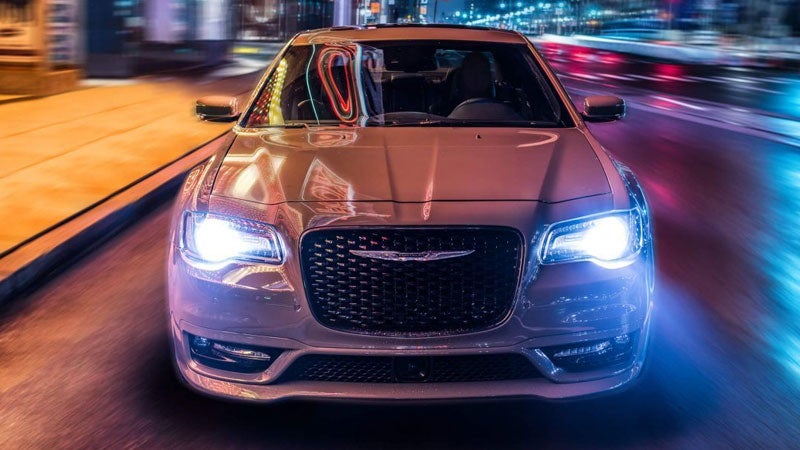
A silver car with bright headlights speeds down a colorful city street at night, creating light streaks.

How To Drive In Super Heavy Rain? Here Are 7 Pro Tips

One of these days, you will wake up to find it's raining cats and dogs outside! Well, maybe a bit too much than usual, but it is raining hard. Driving in super heavy rain can be difficult and dangerous if you're unprepared and your car has missed one too many maintenance runs. Here are our eight pro tips to help you drive safely in the rain! Pro tip 01: Drive slowly This should go without saying, but driving in the rain is more difficult and takes longer. Drive slowly and give yourself additional time to get to your destination. Only go at a comfortable speed, keeping in mind the current traffic and weather circumstances. If you slow down, you'll have plenty of time to respond if you come across a big puddle or another car loses control. Pro tip 02: Use your headlights It's hard to see in the rain, so make sure your headlights are on. This will help you see the road better and let other drivers know you're coming. Avoid using your high beams since they cause other drivers to be dazzled when the light bounces off the raindrops. Pro tip 03: Beware of hydroplaning It happens when your tires lose touch with the road, causing you to lose control of your car. To avoid such loss of traction, drive slowly and carefully in the rain. If you start to feel your car skid out of steering control, let off the gas & steer straight until you regain control. Pro tip 04: Do not use cruise control Cruise control is a great feature when driving in dry conditions, but you should avoid using it in the rain. When your tires lose touch with the road, cruise control can cause your car to accelerate, making hydroplaning worse. Pro tip 05: Avoid driving straight through large puddles You can be tempted to drive straight through a large puddle, which can cause serious damage to your car. When water gets into your engine, it can ruin the engine bearings and cause other expensive problems. If you must cross a puddle, do so cautiously and with less speed. Pro tip 06: Avoid hard breaks If you need to slow down quickly, avoid braking hard. This can cause your car to skid and lose control. Instead, slow down gradually by taking your foot off the gas pedal and letting your car's natural drag slow it down. Pro tip 07: Drive defensively Defensive driving is essential when it's raining heavily. This entails being mindful of other drivers and being ready for the worst. Drive slowly and be ready to brake at a moment's notice. Give a driver plenty of space if you notice them acting recklessly. Pro tip 08: Don't drive if you can help it It's best to avoid driving if you want to stay safe in super heavy rain. If you don't have to go out, wait until the rain has subsided before getting on the road. Stay safe and dry! Drive safely and defensively in heavy rain by following these eight pro tips! Stay alert and be cautious of other drivers on the road. Want to service your car before heavy rain? Visit Cutter CDJR Honolulu, serving Honolulu, HI. We are a MOPAR-certified service, and our auto technicians receive top-notch Chrysler training, so they are completely familiar with your car. Schedule your service today!

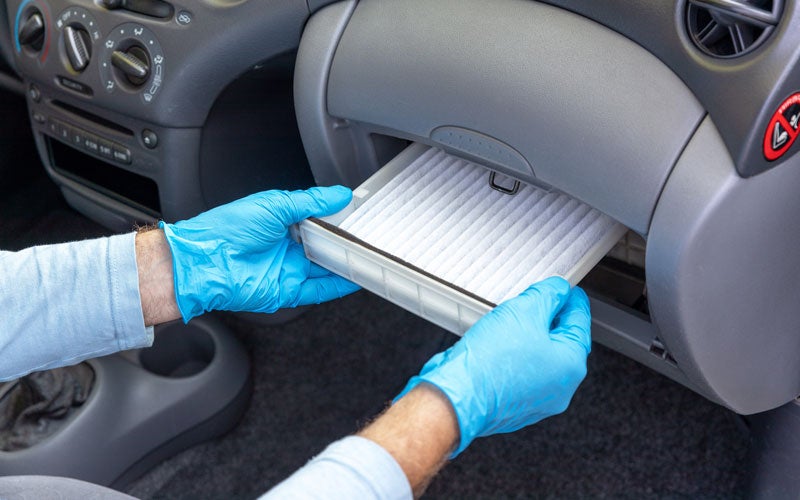
A person wearing blue gloves pulls out a white, rectangular cabin air filter from a car's open glove compartment.

What's Hot In Honolulu? - 3 Reasons To Change Your Car Filter During The Summer

Honolulu summers can be stuffy & brutal, with high temperatures reaching their peak in August. This time of year is important to keep your car running in top condition. One way to do that is by ensuring you're not driving with a clogged car air filter, as the experts at Cutter CDJR Honolulu would recommend. Here are 3 reasons you should change your car's air filter during summer. No. 1: Pollen and Allergies During summer, pollen levels are at their highest. Flowers are in bloom, and trees are releasing pollen into the air. If you have allergies, this can be a nightmare. Contacting pollen can cause runny noses, itchy eyes, and difficulty breathing. However, even if you don't have allergies, pollen can still cause problems. It can get into your car's ventilation system and cause many issues, from musty odors to reduced airflow. These, in turn, spell trouble for your car's air conditioner. Changing your air filter is a fast and effective way to reduce the amount of pollen in your car. Another great move is to have your car's ventilation system cleaned out periodically to remove any pollen or other allergens. No. 2: Interior Odor Summertime is perfect for taking your car for a long drive. However, if your car's air filter is dirty, you may not enjoy the ride as much. A dirty air filter can cause musty odors in your car's interior. These odors can be highly unpleasant and make it extremely difficult to breathe. Carbon and other pollutants can also cause these odors and potentially severe health problems. Suppose you notice musty odors in your car's interior. In that case, replacing the air filter as soon as possible is crucial. Not only will this improve the quality of the air you're breathing, but it will also help to eliminate the source of the odor. No. 3: Dirt and Damage Your car's air filter is integral to the engine's performance. Over time, dirt and debris can layer up in the filter, causing it to become clogged. This can lead to several problems, including: decreased fuel efficiency reduced engine power increased emissions Add the Honolulu summer heat to these problems, and you've got a recipe for disaster. A clogged car air filter restricts airflow to the engine, making it work harder and causing it to overheat. The rise in temperatures and blockage from pollen and debris can cause your car's engine to fail. To avoid these issues, it's essential to change your car's air filter regularly, which means doing it more often during the summer months. Conclusion Are you planning for a fun and busy summer this August? It sounds like you'll need a reliable car to get you around! Here at Cutter CDJR Honolulu, we can help you with that. We also serve Honolulu, HI, with excellent solutions for all your car maintenance needs - including changing your air filter. Ready to enjoy all that summer has to offer? Schedule our services today! We'll ensure your car is in tip-top shape so you can focus on having fun.

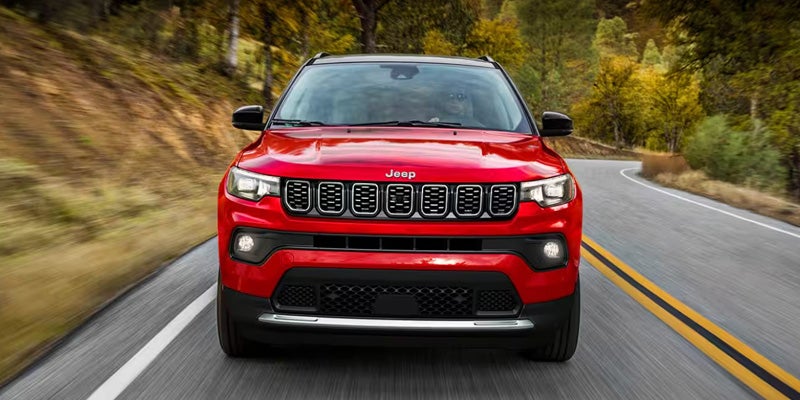
Front view of a red Jeep Compass driving on a winding, tree-lined road.

5 Reasons To Invest In A Better, Newer Car!

Are you stuck in a car-related rut? Do you feel like you need something new in your life? Well, look no further! Here are some signs that it might be time for you to get a new ride. Pursuing a new car can feel daunting, but don't worry - we're here to help. Check out our list of the top signs you need a new car and see if any of them apply to you. Armed with this information, you'll be able to make the best decision for your needs and budget. Cutter CDJR Honolulu is an authorized car dealership where you can buy new and used cars at excellent prices. So, what are you waiting for? Start exploring today! Your Car is Missing The Latest Features If you're driving an older model car, it's missing some of the latest features that have become standard in newer cars. Bluetooth connectivity, built-in navigation, and backup cameras are commonplace in many vehicles on the road today. If your car doesn't have these features, it might be time for an upgrade. You're Sick of Making Repairs Another sign that it's time for a new car is if you constantly have to take it in for repairs. It can get costlier, especially if you're dealing with significant issues like transmission problems or a faulty engine. If you find yourself putting more bucks into repairs than you would on a monthly car payment, it might be time to look for something new. Your Car is Getting Old Even if your car isn't giving you any trouble, it might be time for an upgrade if it's getting up in age. After a certain point, parts start to wear out, and things can start breaking down. If your car is more than a few years old, you might want to start thinking about trading it in for something newer. You Want Better Fuel Efficiency A newer car might be the way to go if you want to save gas money. Newer models are often much more fuel-efficient than older ones, so you can keep more money in your pocket each month. It is especially true if you're currently driving an SUV or truck; newer models of these vehicles are much more fuel efficient than older ones. Your Safety Features Are Outdated If you're driving an older car, it might not have all the latest safety features that newer models offer. It can include blind spot monitoring, lane departure warning, and adaptive cruise control. It might be about time to switch to a modern car with all the newest safety features if you're worried about safety on the road. If you're dealing with any of the above issues, it might be time for a new car. A new car can offer you improved safety, performance, and enjoyment on the road. Cutter CDJR Honolulu serving Honolulu, HI, is the place to be if you want to buy a new car and even quality pre-owned ones. We offer car maintenance and repair services too. Browse our inventory today!

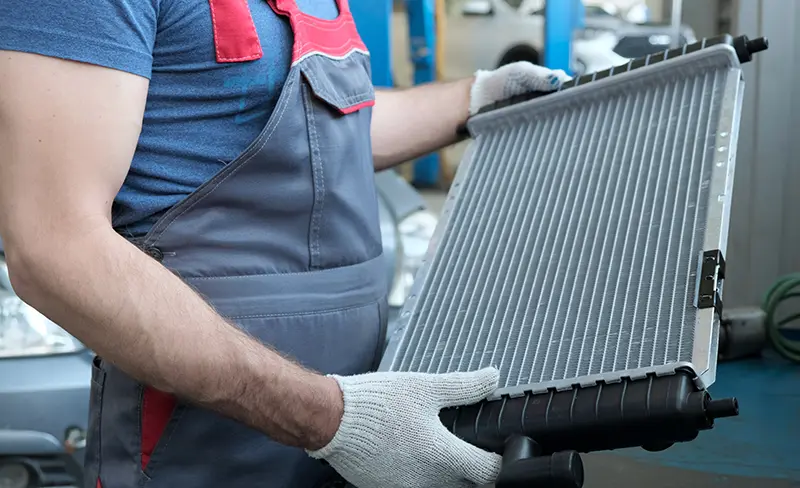
A mechanic in blue and grey overalls and white gloves holds a car radiator.

9 Symptoms Of A Faulty Radiator

How would you recognize a radiator going bad? It's not something that most people think about regularly, but it's essential to be aware of the signs. In this post, Cutter CDJR Honolulu will list nine common symptoms of a radiator problem. If you experience any of these problems, it might be time to call a professional for repairs. Altered Heat Output: One common sign that your radiator is having issues is when the heat output isn't what it used to be. It could mean that the radiator is clogged and unable to transfer heat as efficiently as before. Leaks: One of the most common symptoms of radiator repair is leaks. Usually, these will start small but can quickly turn into a bigger problem if left unchecked. Keep an eye out for any water or coolant leaks, and get your radiator fixed as soon as possible. Strange Noises: Weird noises coming from your radiator? It could signal something loose or the fan not working correctly. In either case, it's best to get your radiator fixed by a professional. High-Temperature Gauge Reading: One of the most common radiator repair symptoms is if your car's temperature gauge starts to climb higher than usual. It could signify that the coolant level is low or that a blockage prevents proper circulation. Steam Coming from Under the Hood: If you detect steam billowing from under your car's hood, it's a sure sign of a radiator going bad. That might be because of a leak or a problem with the cooling fans. Either way, you'll need to get your radiator fixed by a professional as soon as possible. Overheating Engine: If your engine starts to overheat, it's a sign that the coolant level is low or that there is a blockage in the radiator. It can lead to severe engine damage if not addressed quickly, so be sure to take your car to a mechanic right away. Radiator Fans Not Working: If the radiator fans are not working, the radiator is not getting enough airflow and is therefore not cooling correctly. It can lead to overheating and damage to the engine. Be sure to have this checked out by a mechanic as soon as possible. Radiator Hoses Cracked or Damaged: If the radiator hoses are cracked or damaged, the coolant will leak, and the radiator won't get enough coolant. That can also lead to overheating and damage to the engine. Be sure to have this checked out by a mechanic as soon as possible. Thermostat Not Working: If the thermostat is not working, the radiator won't get enough coolant. It can cause the engine to overheat and damage the engine. Be sure to get your radiator fixed by a mechanic as soon as possible. Radiator problems can be tricky to diagnose. If you experience these symptoms, it might be time for a check-up at Cutter CDJR Honolulu, serving Honolulu, HI. We have a broad selection of new and pre-owned vehicles and a top-notch service department staffed by certified technicians who know how to take care of your car. Schedule a service appointment today, and let us look at your radiator. We will surely get your radiator fixed and save you from an expensive repair bill down the road.

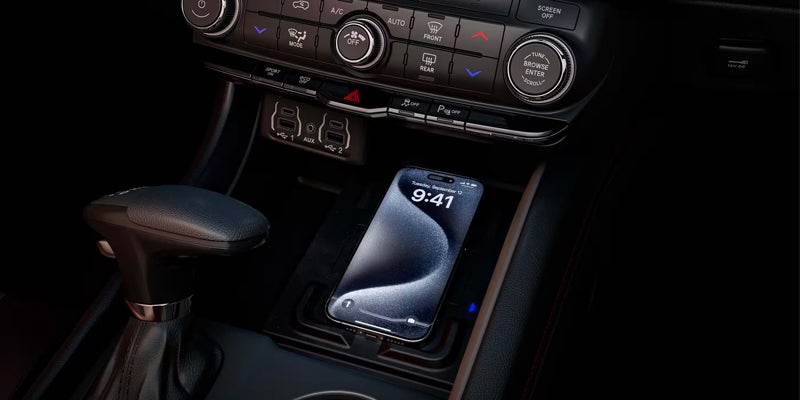
An iPhone charges wirelessly in a car's center console tray, with climate controls and USB ports visible above.

What Do The Automatic Gear Shift Symbols Mean In Modern Vehicles?

There is some confusion behind the letters and numbers on the gear shift in modern vehicles. Of course, you don't want to come across as a novice when dealing with a car salesperson! That's why we have demystified what those letters and numbers mean! Reading this blog post by Cutter CDJR Honolulu will help you better understand your car - and we promise you won't end up embarrassing yourself when you purchase a car! Without further ado, let's begin! Understanding the Letters on the Gear Shift Knob! The first thing you need to know is that the letters on the gear shift knob correspond to the different types of gear. The most common are: P - Park R - Reverse N - Neutral D - Drive These are the basic and most essential positions for your car. You'll find them in pretty much every modern automatic transmission car. 1. P (Park) When parking your automobile, you need to be in 'P.' Your car can't move when it is in park gear. Before starting your vehicle, ensure it's in 'park.' If you're parked on a hill, it's extra important to use your emergency brake in addition to putting the car in park. 2. R (Reverse) You need to be in this position when you want your car to move backward. You'll find it pretty easy to identify because it's usually next to 'P.' 3. N (Neutral) Your car needs to be in this position when it's not moving. When there are long stops (red lights or traffic jams), it's preferred to put your car in neutral for fuel efficiency! 4. D (Drive) Your car should be in this position when you want it to move forward. In this position, your car automatically shifts gear. Let's Explore the Numbers! Some other letters & numbers might appear on your gear shift knob as well, and they are: L - Low gear 2 - Second gear 3 - Third gear S - Sports Mode 1. L (Low) You need to be in this position when you want your car to drive at a slower speed, such as driving on a gravel road. 2. 2 (Second) This position is for when you want your car to drive a bit faster than in low gear; It's used to drive at a moderate speed. 3. 3 (Third) This position is for when you want your car to drive fast. It's mostly used when you're driving on the highway. 4. S (Sports Mode) This position is for when you want your car to drive sportily. You can use this mode on a highway or a winding road. The car will shift gears differently in this mode and will usually respond more to your accelerator inputs. So, are you prepped to upgrade to an automatic car? If you're a Honolulu resident, look no further than Cutter CDJR Honolulu, serving Honolulu, HI. We have an impressive variety of new and pre-owned cars to choose from. And our customer service staff will make sure to help you every step of the way. Visit us today or explore our inventory of new vehicles now!

Front view of a dark blue Chrysler Pacifica, parked on a dirt path with trees in the blurred background.

Cheaper In The Running: Public Transport Or A Hybrid Car?

Deciding to shift from public transportation to your car is never easy. What if, though, there was another choice? What if you could balance both lifestyles while saving money? You can, and it's called a hybrid car! In this blog post, Cutter CDJR Honolulu will explore the benefits of hybrid cars and public transport and see which one comes out on top! Cost: The cost of public transport is always a hot topic. People are constantly searching for methods to save costs on their commute, whether it be the cost of a train ticket or the price of a monthly bus pass. And while there are certainly ways to save money by taking public transport, it's important to remember that hybrid cars can also be a cost-effective option. Thankfully, the federal government has established several income tax credit schemes to promote purchasing hybrid vehicles. In addition to these initiatives, there are frequently additional incentives offered at the state level. These include reduced vehicle excise, registration fees, and other income tax refunds. But what about the fuel cost? Hybrid cars can certainly be more expensive than traditional petrol or diesel cars, but they're also more fuel-efficient. This implies that you will eventually reduce your gasoline expenses. And with the cost of petrol and diesel always rising, this is becoming an increasingly important factor for many people. Mileage: Compared to public transport, hybrid automobiles have smaller engines and are quite efficient. This feature increases its mileage value and fuel efficiency. A typical hybrid vehicle can go between 20 and 80 kilometers using solely electric batteries and no fuel. It increases fuel efficiency and reduces expenses. Environment: When it comes to the environment, hybrid cars are the clear winner. They produce far fewer emissions than traditional petrol or diesel cars, which will only become more prominent in the years as we look for ways to reduce our impact on the planet. Maintenance Costs: However, hybrid cars save money in the long run but have higher maintenance costs than public transport. The dual-engine and ongoing technological advancements make it challenging for mechanics to fix the hybrid car. Resale Value: A hybrid car has a much higher resale value than the public as more and more individuals are choosing hybrid vehicles due to the rising fuel cost. So, if you're unhappy with your car, you can always sell it to those interested in it for a higher price. Accessibility: Finally, it's worth considering accessibility. If you live in a city, then public transport is likely to be much more accessible than a car, but a car is probably your only option if you live in a rural area. Final Verdict: So, when it comes to cost, it depends on your circumstances. A hybrid car is probably the best option if you're looking to save money long-term. But if you're looking for the cheapest option in the short-term, then public transport might be a better choice. The inventory of new and used CDJR and FIAT automobiles at Cutter Chrysler Dodge Jeep Ram serving Honolulu, HI, is consistently competitive. We're here to deliver a pleasurable, simple, and worthwhile vehicle purchasing and servicing experience and are staffed with knowledgeable sales agents and top-notch technicians. Feel free to shop express with us!

Close-up of a car windshield and wiper covered in raindrops.

How To Stop Your Car Windows From Fogging Up In Honolulu

Don't you hate it when you're driving down the street and suddenly, your windshield starts fogging up? Living in Honolulu can be great, but one issue that many car owners face is the problem of their windows fogging up. It can make it difficult to see while driving, and it's a hassle to try and clean the windows every time. So, what can you do to stop your car windows from fogging up in Honolulu? The experts from Cutter CDJR Honolulu have compiled some tips to prevent foggy car windows. They are a leading car service center and dealership and can assist you with all your automobile needs. Read on for some excellent tips! How Do Car Windows Get Fogged Up? There are a few reasons why your car windows might get fogged up. The most common cause is the temperature difference between the inside and outside of your car. When it's cold outside, and you have the heater on inside, this can cause condensation to occur on your windows. It can also happen if one uses the air conditioner in humid weather. Another reason your windows might fog up is if there's too much moisture in the air inside your car. It can be caused by spills, leaks, or simply not opening your vehicle to air it out regularly. If you live in a humid climate, it's crucial to prevent moisture build-up inside your car. Tips To Prevent Foggy Car Windows Keep Your Car Clean One of the ways to avoid your windows from fogging up is to keep your car clean. Wipe down the inside of your windows regularly with a microfiber cloth. If you have leather seats, be sure to condition them regularly. It will help prevent mildew and mold from growing inside your car. Use An Anti-Fog Product Various anti-fog products can help prevent your car windows from fogging up. You can find these products at most auto stores. Ensure that you follow the directions on the packaging carefully. Park Your Car in the Shade If you can, park your car in the shade. It will help prevent the sun from heating your vehicle's interior and causing the windows to fog up. Open Your Windows If it's not too cold outside, open your windows for a few minutes before turning on the engine. It will help eliminate any moisture that has built up inside your car. Foggy car windows not only blur your vision but can also be extremely dangerous and may result in a collision or accident. So, it is recommended to keep your windows clean all the time. At Cutter CDJR Honolulu, serving Honolulu, HI, we want to ensure you have a great experience while driving in our beautiful city. If you need any help improving your car's performance, don't hesitate to give us a call. Schedule a service today!

A person’s hands applying tint film to a car window with a squeegee, smoothing out bubbles.

5 Ideal Ways To Remove Scratches From Cars Like A Pro

Car scratches are inevitable. Whether it's a wayward shopping cart in the parking lot or an errant branch on the highway, your car will get scratched sooner or later. And while a small scratch may not seem like a big deal, it can devalue your vehicle and make it look unkempt. As a car owner, you might often wonder how to fix car scratches without damaging the paint job or finish. While there are plenty of ways to remove scratches from cars, not all of them are ideal. This blog post will uncover the best ways to remove scratches from your car like a pro. 1. Use Toothpaste It is one of the most popular DIY methods for fixing car scratches. You need a small amount of toothpaste and a soft, clean cloth. Apply the toothpaste to the scratch and rub it in circular motions. Wait for the toothpaste to dry, and then remove it with a clean cloth. You will find a noticeable difference in the appearance of the scratch. 2. Use Baking Soda Baking soda is another common household item that can be used to fix scratches on a car. Make a paste of 50% baking soda and 50% water, then apply it to the scratch using a soft cloth. Use a circular motion to rub the paste into the scratch. Next, remove it with a clean, damp cloth. 3. Buy a Scratch Repair Kit You can buy a scratch repair kit from your local auto store if you want a more permanent solution. This kit includes a polishing compound and a clear coat that you can use to fill in the scratch. Follow the instructions carefully to avoid making the scratch worse. 4. Use Touch-Up Paint While this method is not ideal - it can be tough to match the paint color, but it is an excellent temporary solution. You can buy touch-up paint from your local auto store or online. Make sure to test the paint on a small area of the car before using it on the scratch. Apply the paint to the scratch using a cotton swab or a small brush. Allow the paint to dry completely before driving your car. 5. Use Brake Fluid Brake fluid is another temporary solution that can remove light scratches from your car. Dip a cotton ball in the brake fluid and apply it to the scratch. Rub the cotton ball over the scratch until it disappears. Ensure washing the area with soap and water after using brake fluid, as it can be harmful to the paint. Cutter CDJR Honolulu, serving Honolulu, HI, is here to help with all of your car repair needs. Whether you need tire rotation service, rear brake pad replacement, or an oil change, our certified technicians can help. We also offer genuine MOPAR® parts and accessories so you can maintain your car's performance and style. Stop by our dealership or schedule an appointment online today!

Contact Us

Fill out this form below and we'll contact you shortly
*Required Fields