




Cutter Chrysler Dodge Jeep Ram Fiat Honolulu

Blog

All Blog Cutter Chrysler Dodge Jeep Ram Fiat Honolulu Service Honolulu Jeep Dealer Honolulu CDJRF Dealer Honolulu Dodge Dealer Driving Tips Honolulu Fiat Dealer Honolulu RAM Dealer

Ram 1500 vs Ram 2500: When Capability Requirements Actually Change

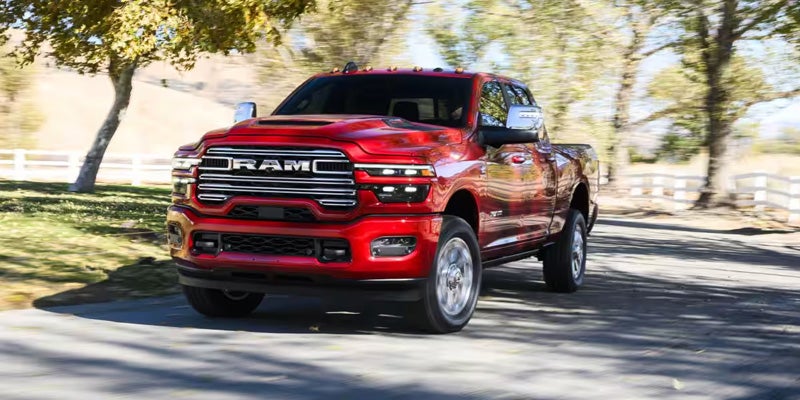
Many truck shoppers start with a simple question: should I buy a Ram 1500 or move up to a Ram 2500. The problem is that capability numbers can look straightforward while the real difference between these trucks is mechanical. A half-ton truck and a heavy-duty truck are not separated by badges alone. They are built around different assumptions about how much weight the truck will carry, how often it will tow, and how much daily comfort the buyer is willing to trade for higher load control. To choose correctly, shoppers need more than a spec comparison. They need to understand how payload, frame strength, suspension tuning, and torque delivery actually change what the truck does in real use. Payload vs Towing and Why They Are Not the Same Decision Many buyers comparing the Ram 1500 and Ram 2500 ask what matters more, payload or towing. Payload is the amount of weight a truck can carry on its own structure, including passengers, cargo in the bed, and trailer tongue weight. Towing is the amount of weight the truck can pull behind it on a trailer. Those numbers are connected, but they do not measure the same task. This distinction matters because many buyers focus on trailer weight and ignore how much weight is being placed on the truck itself. A trailer may be within the truck’s towing rating, but the tongue weight, passengers, tools, and cargo can still push the truck toward its payload limit. That is one of the main reasons some buyers end up in the wrong truck class. The 2026 Ram 1500 payload capacity is built for buyers whose work and towing needs stay in the lighter to moderate range. The 2026 Ram 2500 payload capacity is designed for heavier sustained loads, which means the truck structure, axle ratings, and suspension are meant to tolerate more weight placed directly on the truck. When shoppers understand that payload governs what the truck is carrying while towing governs what it is pulling, the comparison becomes much more accurate. Shoppers comparing the Ram 1500 and Ram 2500 should evaluate: more how much bed cargo the truck will carry on workdays how many passengers or tools are typically in the cab how much trailer tongue weight will transfer onto the truck whether the truck’s heavier tasks are occasional or routine That is the first threshold where capability requirements begin to change. Buyers who only think about trailer size often miss the load the truck itself has to support. How Frame Strength Changes What the Truck Can Carry and Pull Many shoppers ask what the real difference is between a Ram 1500 and a Ram 2500 if both can tow and haul. The answer begins with frame design. A truck frame is the structural foundation that supports the cab, bed, suspension, drivetrain, and the forces created by cargo and trailers. When capability increases, the frame must resist more bending and twisting under load. The 2026 Ram 1500 frame is engineered to balance strength with ride quality and everyday drivability. That matters because a half-ton truck is often used as both a work vehicle and a daily driver. The structure still needs to manage load, but it is tuned for broader use. The 2026 Ram 2500 frame is built around higher sustained stress. As payload and trailer demand rise, the truck experiences more vertical loading from cargo, more rearward pull from the trailer, and more chassis stress during braking, acceleration, and uneven road movement. A more rigid heavy-duty frame helps distribute these forces without the same degree of flex. That difference affects real-world behavior in several ways. A stronger heavy-duty structure helps the truck remain more stable with heavier loads, improves confidence when the trailer shifts weight, and supports higher-rated suspension and axle components. This is why buyers moving from occasional towing into heavier recurring work often notice that a three-quarter-ton truck feels more composed under strain even if it feels less relaxed when empty. For shoppers, the important question is not whether the Ram 2500 is stronger in general. It is whether the kind of work being asked of the truck actually requires that stronger structural foundation often enough to justify it. How Suspension Design Changes Ride Quality and Load Control Many buyers wondering whether a Ram 2500 is worth it for daily driving are really asking about suspension behavior. Suspension is the system of springs, dampers, and related components that supports the truck’s weight, absorbs road impacts, and controls body movement. The way that system is tuned determines how the truck behaves both unloaded and under load. The 2026 Ram 1500 suspension system is designed with daily comfort as a major priority. A half-ton truck needs to manage commutes, errands, highway driving, and light to moderate work without constantly feeling stiff or overbuilt. That means its suspension is tuned to absorb small road inputs more smoothly and maintain a more settled ride when the truck is not carrying significant weight. The 2026 Ram 2500 heavy-duty suspension is built with a different priority. Its job is to control more weight, resist sag under load, and maintain stability when cargo or trailer forces increase. To do that, the system has to be firmer and more load-focused. That typically means the truck feels more planted when working hard, but less forgiving when it is unloaded. This is where many buyers overbuy capability. They assume more truck automatically means better truck, but suspension tuning always involves compromise. A heavy-duty suspension improves control with heavy loads because it resists compression and body movement more aggressively. The tradeoff is that when the truck is empty, that same stiffness can feel less comfortable than a half-ton setup. For daily-use buyers, the decision usually comes down to how often the truck will work near its upper limits. If most miles are unloaded, the 2026 Ram 1500 suspension system usually makes more sense. If heavy cargo or towing happens regularly enough that stability under load matters more than unloaded comfort, the 2026 Ram 2500 heavy-duty suspension becomes easier to justify. How Engine Torque Changes Towing Performance Many shoppers comparing truck capability ask whether a Ram 2500 is better for towing than a Ram 1500. The answer depends partly on torque. Torque is the rotational force produced by the engine and delivered through the transmission and axles to move the truck and trailer. In towing, torque matters because the truck is not just trying to accelerate itself. It is trying to move additional mass from a stop, maintain speed under load, and handle grades without constant strain. The 2026 Ram 1500 engine torque output is suited to light and moderate towing where daily drivability still matters. It can move trailers effectively, but it is doing so within a truck class designed to remain more versatile when unloaded. The 2026 Ram 2500 torque delivery is built for heavier work. Higher torque, combined with heavy-duty gearing and drivetrain components, helps the truck apply pulling force more consistently when trailer weight increases. This matters most when starting from a stop, climbing hills, merging with a load, or maintaining control when the trailer begins to influence the truck’s momentum. Buyers often confuse horsepower and torque in this comparison. Horsepower helps describe how quickly work can be done over time. Torque explains how much turning force is available to get the load moving and keep it moving under resistance. When towing requirements grow, torque becomes more important because heavier loads create more resistance at low and mid-range speeds. That is why a heavy-duty truck feels different with a serious trailer attached. It is not only stronger on paper. Its drivetrain is calibrated for the kind of sustained pulling force that repeated towing demands. When a Ram 1500 Is Enough and When a Ram 2500 Becomes Necessary The most important question in this comparison is not which truck is more capable. It is when capability requirements actually change enough to justify moving from a Ram 1500 to a Ram 2500. The 2026 Ram 1500 is usually the right choice when the truck will spend a large part of its life as a daily driver and its work demands stay in the light to moderate range. It makes sense for buyers who tow recreational trailers occasionally, carry tools or supplies without consistently pushing payload limits, and want a truck that remains easier to live with when unloaded. In that role, the Ram 1500 gives buyers enough working capability without forcing them into heavy-duty tradeoffs every day. The 2026 Ram 2500 becomes necessary when workload stops being occasional and starts becoming structural to how the truck is used. That change usually happens when payload becomes consistently heavy, trailer weight becomes more demanding, or towing becomes frequent enough that frame rigidity, firmer suspension control, and stronger torque delivery all matter on a regular basis. At that point, the truck is no longer being asked to occasionally do heavy-duty work. It is being asked to function as a heavy-duty truck. A useful decision framework looks like this: choose the 2026 Ram 1500 when comfort, versatility, and moderate work are the real priority choose the 2026 Ram 2500 when the truck will regularly manage heavier cargo, heavier trailers, or more sustained towing stress move up to the heavy-duty class when payload, trailer tongue weight, or recurring towing strain starts shaping how the truck must behave, not just what it might do once in a while That is when capability requirements actually change. The move from a Ram 1500 to a Ram 2500 is justified not by wanting the biggest number available, but by reaching the point where the truck’s structure, suspension, and torque strategy all need to be built around heavier work. When buyers understand that threshold clearly, they can choose the truck that fits both the job and the day-to-day drive.

2026 Jeep Wrangler Trim Differences Explained for Oʻahu Drivers

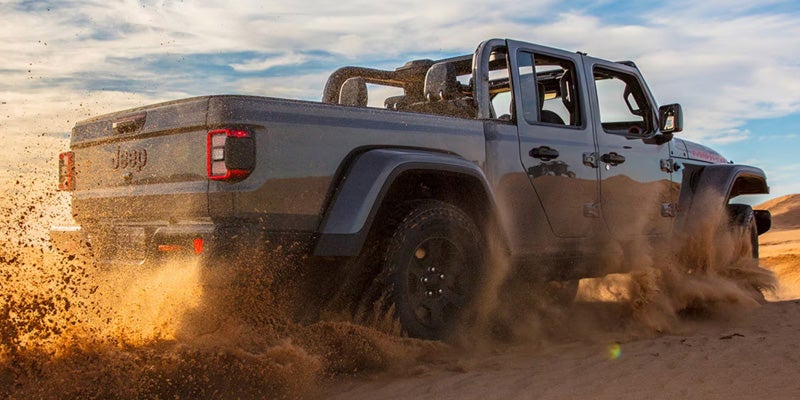
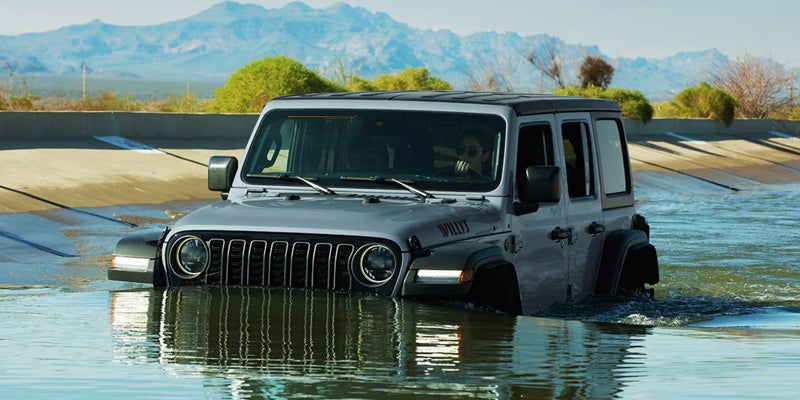
The 2026 Jeep Wrangler lineup is designed around a clear but often misunderstood concept: each trim changes how the vehicle behaves, not just what features it includes. Many shoppers comparing Wrangler trims are trying to understand which model actually fits their driving, especially in a place like Oʻahu where conditions range from city traffic and wet pavement to sand and uneven terrain. The key to choosing the right 2026 Jeep Wrangler is understanding how its systems work and how those systems translate to real-world use. How Jeep Wrangler Trims Are Engineered Around Capability vs Daily Driving Many shoppers researching 2026 Jeep Wrangler trims ask what the real difference is between models like Sport, Sahara, and Rubicon. The answer is that each trim adjusts the balance between mechanical capability and everyday usability. The 2026 Jeep Wrangler Sport is built around core Jeep architecture. It provides a standard 4x4 system, solid axles, and the foundational structure needed for light off-road use, but without specialized hardware. This makes it effective for drivers who want flexibility without committing to higher-level systems they may not use. The 2026 Jeep Wrangler Sahara shifts that balance toward daily driving. It builds on the same platform but prioritizes ride comfort, interior usability, and technology integration. These changes do not fundamentally alter capability, but they change how the vehicle behaves during everyday use. more The 2026 Jeep Wrangler Rubicon is engineered in the opposite direction. Instead of adding comfort first, it introduces mechanical systems designed to improve traction, control, and low-speed maneuverability in off-road environments. For Oʻahu drivers, this distinction matters because most driving happens on pavement, with occasional transitions to sand or trails. Choosing a trim is less about maximum capability and more about how often that capability will be used. How the 2026 Jeep Wrangler 4x4 Systems Actually Work Across Trims Many buyers comparing Wrangler trims want to understand the difference between the 2026 Jeep Wrangler Command-Trac 4x4 system and the 2026 Jeep Wrangler Rock-Trac 4x4 system. A 4x4 system is a drivetrain configuration that distributes engine torque to both the front and rear axles to improve traction. The 2026 Jeep Wrangler Command-Trac 4x4 system, used on Sport and Sahara trims, is a part-time system with a lower gear ratio designed for general traction scenarios. When engaged, it splits torque between the front and rear axles, helping maintain forward movement on loose or wet surfaces. The 2026 Jeep Wrangler Rock-Trac 4x4 system, used on the Rubicon, changes how torque is applied. It uses a lower transfer case gear ratio, which multiplies torque at the wheels while reducing vehicle speed. This allows the Wrangler to move more slowly and with greater control. Mechanically, this difference affects driving in three key ways: Lower gearing increases torque output at low speeds without requiring throttle input Torque delivery becomes more controlled, reducing wheel spin The vehicle can maintain movement over obstacles without relying on momentum For Oʻahu conditions, Command-Trac is typically sufficient for sand and rain. Rock-Trac becomes relevant when traction varies significantly across wheels, such as on uneven or rocky terrain. How Locking Differentials and Axle Control Change Rubicon Capability Many shoppers ask what makes the 2026 Jeep Wrangler Rubicon more capable than other trims. The answer lies in how it manages torque at the axle level through locking differentials. A locking differential is a system that forces both wheels on an axle to rotate at the same speed, regardless of traction conditions. In a standard differential, torque is distributed unevenly when one wheel loses traction. The slipping wheel receives more power, reducing overall forward movement. The 2026 Jeep Wrangler Rubicon locking differentials eliminate this imbalance by mechanically linking both wheels together. This ensures that torque is applied evenly, even if one wheel has less grip. The Rubicon also includes an electronic sway bar disconnect system. A sway bar is a component that limits suspension movement to improve stability. Disconnecting it allows the suspension to move more freely, increasing articulation. This combination changes how the vehicle behaves: Locking differentials maintain forward movement when traction is uneven Increased articulation keeps more tires in contact with the ground Torque is applied more effectively across all available contact points For buyers, the implication is clear. These systems are not general-use upgrades. They are designed for conditions where traction varies dramatically between wheels. For most Oʻahu drivers, they represent specialized capability rather than a daily necessity. How Suspension and Tire Design Affect Ride and Handling Many comparisons mention tires and suspension differences but do not explain how they affect real driving. Suspension determines how a vehicle absorbs impacts and maintains tire contact with the road or terrain. The 2026 Jeep Wrangler Sport and Sahara use suspension setups designed for balance. These systems prioritize predictable handling and stability on paved roads while still allowing moderate articulation for light off-road use. The 2026 Jeep Wrangler Rubicon uses a suspension system tuned for articulation. Articulation refers to the ability of each wheel to move independently to maintain contact with uneven surfaces. This difference changes driving behavior: Higher articulation improves traction off-road by keeping tires grounded Softer suspension tuning can reduce stability at higher speeds Larger off-road tires increase grip on loose surfaces but may introduce more road noise Shoppers comparing trims should evaluate: how often they drive on uneven terrain whether ride comfort or off-road traction matters more how tire size impacts both grip and daily drivability For Oʻahu drivers, where paved roads dominate daily use, the balance-focused setup of Sport or Sahara often aligns better with real driving conditions. How Interior and Technology Differences Affect Daily Ownership Many buyers deciding between the 2026 Jeep Wrangler Sport and Sahara ask whether interior upgrades are worth it. Interior and technology systems affect how the vehicle functions during everyday use, not just how it feels. The 2026 Jeep Wrangler interior technology includes systems such as infotainment displays, driver assistance features, and seat adjustments. These systems influence usability by reducing driver workload and improving comfort. For example: Larger infotainment systems improve navigation visibility and interaction Driver assistance features reduce effort during parking and traffic conditions Seat adjustability affects long-term comfort during daily driving These differences matter because they are used constantly. While off-road systems may be used occasionally, interior systems are part of every drive. For buyers using their Wrangler as a primary vehicle, these features often carry more long-term value than additional off-road hardware. Choosing the Right 2026 Jeep Wrangler Trim for Oʻahu Driving Conditions Many shoppers comparing the 2026 Jeep Wrangler trims are ultimately trying to answer one question: which configuration actually fits how I drive day to day. The answer depends on how often you will rely on the Wrangler’s traction systems versus how often you are using it as a daily vehicle. Looking at the available Wrangler inventory, most configurations fall into a few key patterns, and each one aligns to a different type of use. The 2026 Jeep Wrangler 4-Door Sahara represents the strongest balance between capability and daily usability. It retains the Wrangler’s Command-Trac 4x4 system while prioritizing interior comfort, technology, and smoother on-road behavior. For Oʻahu drivers commuting through Honolulu, handling rain, and occasionally driving on sand or uneven terrain, this configuration typically aligns with real-world use. The 2026 Jeep Wrangler 4-Door Willys shifts toward off-road-focused value. It builds on the standard 4x4 system but introduces more aggressive tire and traction-oriented components. This makes it more capable than a standard Sport configuration in loose or uneven terrain without introducing the full mechanical complexity of the Rubicon. The 2026 Jeep Wrangler 4-Door Rubicon is designed for drivers who will actively use advanced traction systems. Its Rock-Trac 4x4 system, locking differentials, and articulation-focused suspension are built for conditions where traction varies significantly between wheels. For most Oʻahu driving scenarios, these systems are specialized, but for buyers planning regular trail use, they provide meaningful control advantages. The 2026 Jeep Wrangler Sport and Sport S configurations, including both 2-door and 4-door options, serve as the most straightforward entry into the Wrangler platform. They provide the core Command-Trac 4x4 system and solid axle construction without additional off-road hardware. These trims are often the most flexible starting point for buyers who want capability but prefer to evaluate upgrades based on actual use over time. There are also more specialized configurations within the lineup. The 2026 Jeep Wrangler 85th Anniversary Edition and Wrangler MOAB 392 represent more niche use cases, combining appearance, performance, or higher-output capability with the Wrangler platform. These trims typically appeal to buyers with very specific preferences rather than general-use needs. For Oʻahu drivers, the decision comes down to how often the vehicle’s advanced systems will actually be used. If driving is primarily on-road with occasional sand or light trails, the Sahara or Sport S provides the most practical balance If off-road capability is a regular part of driving, the Willys introduces meaningful traction improvements If maximum mechanical control is required for challenging terrain, the Rubicon’s systems become relevant The most effective way to choose between Wrangler trims is to match the vehicle’s mechanical systems to your actual driving conditions. When the 2026 Jeep Wrangler’s 4x4 systems, suspension behavior, and traction hardware are understood in real terms, the trim decision becomes a clear alignment between capability and daily use rather than a comparison of feature lists.

Exploring Car Financing Options at Your Jeep Dealership

When you're in the market for a Jeep, many factors go into car financing. From buying new to buying used, from leasing to refinancing to term adjustment, your Jeep dealer can not only help you get into a phenomenal new ride but can help you do so with payment options to meet your budget. Let's dive into the world of financing your sweet new Jeep. Exploring Car Financing Options: What Your Jeep Dealer Wants You to Know Buying a Brand-New Jeep Take it from a Jeep dealer: there's nothing quite like the joy of driving off the lot in a brand-new Jeep that you can call your own, whether it's your first new car or the latest in a long line of great rides. Our mission is to help you get into the car you deserve to drive home. Let's examine what goes into financing a brand-new Jeep. The Purchase Price The price of the vehicle you select will have a large impact on your monthly payment, but as you'll see, there's more that goes into determining how much you pay each month than the price of the vehicle. The purchase price includes several things, including the sticker price of the vehicle, any upgrades or accessories you purchase, plus any additional taxes and fees that apply to buying a car. Cash Allowances and Rebates A cash allowance, also sometimes known as a cash rebate, is a type of discount offered on new or used vehicles to help make them easier to purchase. We have multiple vehicles in stock that are eligible for cash allowances to well-qualified buyers, and if you're shopping for a bargain, you should definitely check them out. EV Incentives Thinking about buying a brand-new Wrangler 4xe or Grand Cherokee 4xe plug-in hybrid? There's good news! The federal government offers up to a $3,750 income tax credit to purchasers thanks to IRS Code Section 30D. If you decide to lease instead, however, well-qualified lessees may be eligible for a $7,500 incentive from the leasing company. Either way, there's significant help available to make hybrid vehicles more affordable. The Down Payment The down payment you decide to make can significantly impact your monthly payments. For example, if you negotiate a no-down-payment car financing deal, that may add financial flexibility in the short term, since less cash winds up leaving your pocket. But the upside of a down payment is that the money you spend upfront doesn't wind up accruing interest across the life of the car loan, meaning that a "$0 down" loan may cost more in the long run. Our friendly and helpful staff can help you balance the need for current liquidity versus the desire to reduce the total loan amount and interest paid, so be sure to go over your unique situation and parameters with our loan staff. Your Trade-In If you already own your vehicle, then there's great news for you. Your current car can help you slip into the brand-new Jeep of your dreams! When you trade in your current car, our qualified team of experts will offer you a fair value toward your new purchase, allowing you to potentially shave a significant amount off the purchase price and make your monthly payments easier. Leasing Your Next New Jeep Car ownership simply isn't for everyone. Leasing a brand-new Jeep means a short-term commitment to a vehicle, giving you the option to change rides as soon as two years down the line. You also get a vehicle when it's at its best, fully covered by warranty, and, depending on the terms of your lease, your Jeep dealer may even handle maintenance and repairs during the lease period. Leasing typically has a higher monthly payment, since the first two years of a vehicle's lifespan see the biggest decrease in its value (known as depreciation). But the short-term costs of increased payments need to be weighed against the benefit of not dealing with a vehicle years along its lifespan, when chronic maintenance or post-warranty breakdowns can become costly. Buying or Leasing Used All the same car financing factors go into buying a used vehicle from a Jeep dealer, with the added benefit that used vehicles almost always have a lower sticker price than their brand-new counterparts. While you don't get to be the one to break them in, there are some exceptional deals on our lot, and used vehicles can be a great deal, especially vehicles passed by our Certified Pre-Owned program. Updating Existing Loans Refinancing If the current payments you're making on your auto loan don't suit your needs right now, there's a very good chance our financing team can help. When you refinance a car loan, you have a chance to renegotiate interest rates and terms. That can mean that you wind up with a monthly payment that better suits your lifestyle and available income, opening up additional options to manage your finances. Term Adjustment The two biggest factors that determine how large a monthly payment becomes are the total amount of the loan, and the term, or number of months that amount is paid across (along with the interest rate of the loan). For example, payments on a $20,000 loan at 0% APR across 24 months would be a staggering $833 per month, while the same amount and interest rate spread across a 60-month term yields a much more manageable $334 payment. If you need to renegotiate the length of your auto loan, our car financing team can help you find a term and interest rate that can meet your needs. No Credit Is No Problem One of the beautiful things about car loans is that, unlike some personal loans, car loans are secured against the value of the vehicle. That means that lenders have a lot more options when a borrower or lessee has credit that's less than stellar, or even no credit at all! Our friendly and supportive team members work together with our clients to help them find the perfect auto loan company for them, to help meet their specific needs and challenges. As you can see, there are many ways to approach car financing, and your Jeep dealer can help. Contact our friendly finance team at Cutter Chrysler Dodge Jeep Ram FIAT in Honolulu, HI, and say aloha to a sweet deal on an even sweeter Jeep.

The 2024 Chrysler Pacifica Plug-in Hybrid: Revolutionizing the Minivan

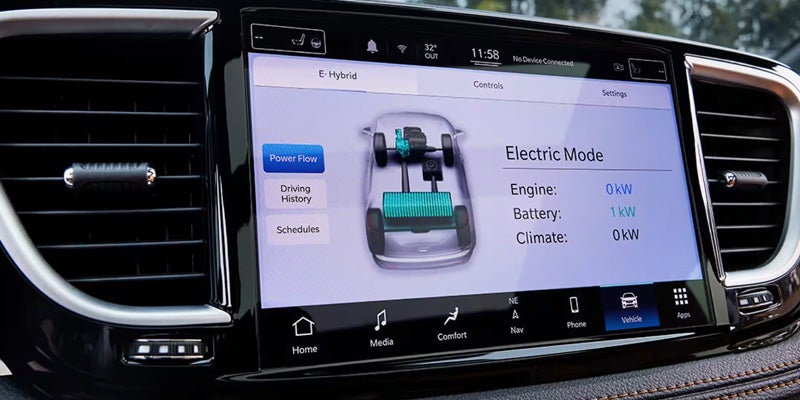
If you're searching for a modern, spacious, and fuel-efficient family minivan, the 2024 Chrysler Pacifica Plug-in Hybrid is for you. This is the only hybrid minivan on the market right now, so it has plenty to offer. Let's explore the exciting features of the 2024 Pacifica Hybrid that make it the ideal family minivan. The 2024 Chrysler Pacifica Plug-in Hybrid: Revolutionizing the Minivan Plenty of Power To Move Your Family and Cargo The Pacifica is built to meet your transport needs effectively and efficiently, whether that be hauling the family for weekend road trips or running errands around town. It has plenty of power for the job and provides comfortable rides in its class. A Hybrid Powertrain Ready for the Task Running on a front-wheel drive system, the 2024 Pacifica Hybrid means business when it hits the road. Its powertrain consists of a 3.6-liter V-6 engine, a dual electric system, a battery pack, and a continuously variable automatic transmission system. A Smooth-Shifting Hybrid Powertrain As a plug-in hybrid, the Pacifica shifts between gas and electric propulsion. It starts with electric power, and its 16-kWh battery pack gives you an excellent driving range when fully charged. A Quick-Charging Battery System To take the anxiety out of your travel, Chrysler designed the Pacifica battery pack to charge quickly. You can replenish your van's battery power in only 2 hours when plugged into a 240-volt connection or the increasingly ubiquitous Level 2 chargers. When the van is plugged into the household-type power outlet, the battery requires 14 hours to get a full charge. That allows you to charge it overnight at home. It Has Impressive Fuel Economy and Mileage The 2024 Pacifica Plug-in Hybrid does the job and remains economical on fuel. This minivan offers a high level of fuel efficiency, saving you money at the pump and protecting the environment with reduced emissions. But savings with the Pacifica hybrid go beyond the gas pump. You may also get several thousand dollars in tax credits when you purchase this hybrid minivan. It Has a Spacious and Well-Appointed Interior The Pacifica is quiet, spacious, and well-appointed, offering an upscale feel. With the van's wide-opening doors, low doorsills, and high roofline, getting in and out of the Pacifica is easy. The improved door and glass seals in the 2024 Chrysler Pacifica Plug-in Hybrid ensure the van is quiet and refined. Flexible and Comfortable Seating Arrangement The Pacifica offers a soft, supportive, and comfortable seating setup. The cabin is abundantly spacious for 7 people to fit in comfortably across three seat rows, so everyone can enjoy the ride even over long stretches. The 2024 Pacifica comes with heated front seats as a standard comfort feature, ensuring warm rides on winter days. The van also has an automatic climate control that helps keep the cabin at the ideal temperature regardless of the weather conditions outside. Generous Cargo Space As a family vehicle, the 2024 Pacifica is roomy for both passengers and cargo. Before you even make any adjustments to the seating, the Pacifica offers 32.3 cubic feet of storage space in the trunk, along with several pockets and cubbies for tucking away small items. That means you can take everyone and their luggage for the weekend road trip. But there's more room to grow in this hybrid minivan. You can expand the cargo area to 87.5 cubic feet by stowing the third-row seats. If you need even more space for cargo, you can extend the cargo area further to 140.5 cubic feet by removing the second-row seats. It Has a Ton of Technology Features and Amenities Exciting Infotainment Features Chrysler provides a modern and functional infotainment system in the 2024 Pacifica plug-in minivan. The van comes with a 10.1-inch infotainment touchscreen with support for Apple CarPlay and Android Auto, providing easy and quick access to many vital features and control functions on the go. A 7-inch driver information center that provides vital driving stats is also included. Seatback Screens and Overhead Cabin Camera You can upgrade your infotainment experience in the Pacifica with an available seatback display option. This feature offers passengers in the second-row seats individual touchscreens to stream movies and shows during the ride. The Pacifica also offers a highly useful available feature called the FamCam. This overhead cabin camera system allows the front-seat passengers to see and interact with the passengers in the rear seats. The FamCam feature comes in handy when you have kids in the back seats and want to monitor them from the front. You can zoom in to have a closer view of the backseat passengers. It Has Excellent Handling Despite its large size, the 2024 Chrysler Pacifica Plug-in Hybrid is excellently tuned with car-like handling, resulting in smooth and confident rides. The steering is light and precise, making maneuvering through curves and tight spots a breeze. The brakes are responsive and consistent, and the van's low center of gravity reduces body roll. You will appreciate Pacifica's fine-tuned suspension system when you encounter bumps or imperfect road surfaces. The sturdy suspension keeps your van stable and protected, meaning less frequent repair and maintenance visits. It Has a Loaded Safety Package When looking for a family van, safety is a top priority. The 2024 Chrysler Pacifica Plug-in Hybrid offers a range of safety features, allowing you to take the road confidently and with peace of mind. The standard safety features in the Pacifica include blind spot monitoring, front collision warning, lane departure warning, and stop-go adaptive cruise control. The van's large windows also contribute to the safety measures by increasing visibility and reducing blind spots, helping you avoid obstacles and prevent collisions. You can enhance your van's safety with several available features, such as parking assists and a 360-degree camera system that provides a bird's-eye view of your van and helps when maneuvering tight spots. The 2024 Pacifica plug-in is your perfect family vehicle if you're looking for ample space, comfortable rides, and modern amenities. Contact us today at Cutter Auto in Honolulu, HI to schedule a test drive and experience the future of minivans.

9 Things Drivers Love About the 2024 RAM 1500

When people come in to our dealership to test drive the 2024 RAM 1500, there's one reaction we see over and over again: the sight of someone falling in love. The RAM 1500 has long been a leader in its class, and today we're going to dive into why drivers consistently swoon over it, and why we think you just might fall in love, too. 9 Things Drivers Love About the 2024 Ram 1500 1. It's Built to Work The RAM 1500 is built for professionals. The base 3.6-liter Pentastar engine, a gasoline power plant paired with an eTorque electric motor, combines with a hardened-steel frame to offer 2,300 pounds of payload capacity. That means that even the base model of the RAM 1500 offers the best hybrid payload capacity in its class. Upgrade to the 5.7-liter HEMI V8 with eTorque, though, and you'll enjoy best-in-class maximum available hybrid towing capacity at an astounding 12,750 pounds, making moving trailers a breeze. The 5.7-liter HEMI is available on almost every trim of the RAM 1500, and comes standard on the Limited trim. 2. It's Built for Efficiency Just because the 2024 RAM 1500 offers up to a truly stunning 702 horsepower with the available 6.2-liter HEMI V8 engine, doesn't mean efficiency hasn't been a focus of the design. The 3.6-liter and 5.7-liter HEMI engines are both paired with an electric eTorque system, helping to offset fuel consumption. The RAM 1500 is also designed with optimized aerodynamics. An elevated hood maximizes air deflection from the windshield wiper area, while a sculpted roof directs airflow to the rear spoiler. A standard Active Air Dam automatically extends the air dam down up to 2.5 inches to reduce drag once the vehicle crosses 30 miles per hour. 3. It Has a Shockingly Advanced Cockpit In years gone by, it used to be that pickup trucks weren't getting top-of-the-line technology integrated into the cabin. But this year's 1500 is the most technologically advanced 1500 RAM has ever made. An available, reconfigurable 12-inch driver information digital cluster display offers full-screen navigation in the instrument cluster itself. Take it a step further and the 1500 can come with an integrated and reconfigurable Heads-Up Display, maximizing driver information without necessitating taking your eyes off the road. The rearview mirror can also be upgraded to a digital LCD display, showing a real-time video stream from a rear-facing camera. 4. It's Remarkably Comfortable RAM is billing this year's model as the most luxurious RAM 1500 ever made, and it's easy to see why. Whether it's leather seats, a dual-pane panoramic sunroof with a massive ten square feet of open sky, or a massive 900-watt, 19-speaker Harman Kardon premium audio system, this year's RAM 1500 has an available creature comfort for every need. The available Uconnect 5 NAV system comes with a 12-inch touchscreen, allowing drivers to select tow-specific navigation paths, create up to 5 driver profiles, and more. It also integrates wirelessly with both Android Auto and Apple CarPlay. 5. It Has a Nifty Trick Tailgate If you've ever had to load significant amounts of weight or large, bulky items in and out of the back of a pickup truck, you know exactly how crucial excellent tailgate design can be. The RAM 1500 has you covered. The base tailgate can fold down 180 degrees or support 2,000 lbs of weight in perpendicular mode, which is already impressive. But an upgraded version offers even more, with a 60/40 split swing-away door structure that can be used even with a trailer hooked up. The upgraded tailgate also has a multifunction trailer hitch light, for nighttime visibility in hooking up your trailer. 6. Safety Comes From the Ground Up Driver and passengers alike are protected in the 2024 RAM 1500, which offers electronic stability control, electronic roll mitigation, and the largest brake rotors in its class at a whopping 14.9 inches. Six airbags throughout the cabin keep occupants safe if the worst should occur, and the front airbags use a clever adaptive venting technology that titrates the amount of air used to both occupant size and the severity of the crash. There are also a slew of available safety features, like a blind spot monitoring system, impressive rear cross path and trailer detection, forward collision warning with active braking for cars and pedestrians, and adaptive cruise control. A 360-degree Surround View camera gives unparalleled visibility, while parallel and perpendicular parking can both be vehicle-aided. 7. It Doesn't Mind Going Off-Road Most pickup truck drivers need to traverse uneven ground, from gravel to back roads in the rain, and the RAM 1500 is up to the task. The tires come in sizes as large as 33 inches, while the ride height has been lifted a full inch. RAM also lifted the air suspension system in the 1500, and both front and rear shock absorbers are performance-tuned for off-road adventures. 8. It's Got Oomph The 2024 RAM 1500 has plenty of get-up-and-go to carry occupants, payload, and trailer over any terrain. Even the most modest engine, the 3.6-liter Pentastar with eTorque, offers 305 horsepower and 273 lb-ft of torque. The 5.7-liter HEMI V8 is also paired with eTorque and amps up performance significantly, offering 305 horsepower and 273 lb-ft of torque. Step up to the TRX trim level, though, and you'll find yourself treated to RAM's absolutely massive 6.2-liter Supercharged HEMI V8, the most powerful factory-installed engine in its class. It offers an absurdly powerful 702 horsepower and 650 lb-ft of torque, enough to get the RAM 1500 up to 60 miles per hour in as little as 4.5 seconds, which puts acceleration solidly in racecar territory. 9. It Keeps in Touch Gone are the days of paper maps and forgetting where you parked. The RAM App not only helps find the vehicle in crowded lots with its Vehicle Finder feature, it also allows for remote vehicle startup and locking or unlocking the doors right from your phone. Additionally, drivers can send navigation destinations directly to the available NAV system with the convenient Send and Go feature, letting you set your destination ahead of time and have your vehicle know exactly where you're going. These are just a handful of the features that drivers love about the 2024 RAM 1500, but with power like this, it has to be experienced to be believed. Test drive your RAM 1500 today at Cutter Chrysler Dodge Jeep Ram FIAT in Honolulu, HI.

Does Your CDJR Need New Tires? Visit Your Dealer

Tires are one of the most important car parts to keep in tip-top condition at all times. If your tires become damaged or excessively worn out, you're at risk of experiencing a blowout or skid on the road. With this in mind, here are the most common warning signs of tire trouble. You can have new tires promptly installed at your local CDJR dealer. Does Your CDJR Need New Tires? Visit Your Local Dealership Today Diminished Tread Depths Most new tires start with 10/32 or 11/32 of an inch in tread depth. Over time, tire treads naturally wear down. Once the treads of your car's tires are near 2/32 of an inch, it's time for a new set of tires. This is the minimum legal tread depth for tires in most US states, including Hawaii. During Hawaii's rainy season from November to March, consider replacing your tires before the treads become this shallow. Deep tread voids are necessary to displace water, thereby reducing the risk of hydroplaning: the sudden loss of traction on puddles of water. In other words, deeper treads grip wet roads more firmly. How To Measure Your Tire's Tread Depths It's advisable to measure the depths of your tire treads frequently. You can do so with a tread-depth gauge. If you don't have a gauge, you can carry out a simple penny test. The penny test involves inserting a penny coin into the deepest part of your tire's treads with Lincoln's head facing downward. If you can see all of Lincoln's head, it means the tread void is 2/32 of an inch or shallower, and it's time for new tires. Inexplicable Air Loss Both over-inflated and under-inflated tires can become a safety hazard, potentially leading to skids or sudden blowouts. It's important to check the pressure of your tires at least once a month. While doing so, pay attention to inexplicable air loss in any of your tires. Gradually leaking air might indicate a concealed puncture, a dented wheel rim, or a damaged air valve. With a leaking tire, your road safety is threatened. Either the under-inflation or the hidden structural damage could lead to an accident. It's best to have the tire inspected and repaired or replaced by a trusted technician at your nearest CDJR dealership. Bulges in the Tire Rubber If you notice a bulge in the rubber of a tire, that tire is probably no longer secure. Bulges often indicate an internal puncture where air has become trapped between the internal and external layers of rubber. Such a puncture might be caused by a heavy impact with a pothole or curb. For this reason, it's always best to check your tires carefully after experiencing a significant bump while driving. Irreparable Cuts or Punctures Driving over sharp objects at speed can cause gashes or punctures in tire rubber. A shallow nick might be nothing to worry about, but a lengthy or particularly deep cut should be a cause for concern, as should any embedded object. Hazardous tire damage can be caused by nails, screws, broken glass, sharp rocks, or vandalism. A skillful technician at your CDJR dealer may be able to repair a cut or punctured hole. However, many cuts and punctures mean the tire needs to be replaced. Too Many Cracks in the Sidewalls Tire rubber tends to dry out over time, causing hairline cracks to appear in the sidewalls. If these cracks begin to spread and deepen alarmingly, your tire may be experiencing sidewall weathering, also known as dry rot. This kind of damage can be exacerbated by the intense heat and direct sunlight that vehicles in Hawaii are often exposed to. Tires with excessively cracked sidewalls are structurally weakened and usually need to go. Visible Steel or Fabric Cords The rigid structure of car tires is usually reinforced by cotton, synthetic, or Kevlar strands along with steel cords. With a well-maintained tire, you should never be able to see these internal materials. If fabric or steel ever becomes visible through a cut or crack, it's time for new tires. Unusually Loud Road Noise Damaged, uneven, or under-inflated car tires often cause excessive road noise. This usually becomes noticeable as most drivers are accustomed to the ordinary sounds of their cars. If you suspect unusually loud road noise one day, trust your senses and carefully inspect your tires; you may need to install replacements. You can turn off your stereo and open your windows to listen more carefully to the sound of your tires against the tarmac. Tires Getting Too Old Even if your tires appear to be in good condition, it's unwise to use them beyond the manufacturer's stated expiration date. Always check the manufacturer's maximum age recommendation and replace your tires when it's time. The age limit of tires is often six years, although tires can sometimes be safely used for up to ten years. Excessively Uneven Tires As you drive, the pressure put on your car's tires by the weight of your car isn't evenly distributed. Unbalanced weight at the front and rear of the vehicle, pressure from braking, rotation from steering, and other factors cause car tires to wear down unevenly over time. This issue can sometimes be worsened by misaligned wheels or suspension problems. Uneven tires can become dangerous, causing additional road friction, reduced handling, and increased risk of blowouts and skids. Uneven tire wear can usually be kept in check with regular tire rotation at your nearest CDJR dealership. However, if your tires have become too uneven for rotation to remedy, you may need to have new tires installed. Schedule Routine Tire Servicing and Rotation at Your CDJR Dealership One of the best ways to keep your tires in road-worthy condition is to have them rotated and serviced frequently. When a technician services and rotates your tires, they check each tire carefully for signs of wear and tear or hidden damage. Have your car's tires serviced, repaired, or replaced today at Cutter Chrysler Dodge Jeep Ram FIAT. Our local full-service dealership offers an excellent range of new and used vehicles and top-notch vehicle maintenance and servicing for the drivers of Honolulu, HI.

How to Maintain Your Car's Value: A Comprehensive Guide

Key Takeaway: Regular maintenance is the key to preserving your car's value. Keep detailed service records to prove your car's care and maintenance history. Protect the exterior with regular washing, waxing, and paint protection. Address minor issues promptly to prevent them from becoming significant problems. Invest in quality parts and repairs to maintain performance and reliability. Be mindful of your driving habits to minimize wear and tear. Consider professional detailing to refresh and revitalize your car's interior. Keep up with technological upgrades to enhance your car's resale value. Research and choose the right insurance coverage for comprehensive protection. As a car owner, you've experienced the joy of that new-car feeling-the pristine interior, the flawless paint job, and the smooth ride. But as time passes, maintaining your car's value becomes crucial. Whether you're eyeing a future upgrade or want to ensure the best return on your investment, understanding the ins and outs of preserving your car's value is paramount. In this comprehensive guide, we'll delve into the strategies and practices that will help you safeguard and even enhance your car's value over time. Ready to embark on the journey of preserving your car's value? Contact Cutter CDJR Honolulu pros for expert advice on maximizing your automotive investment. Regular Maintenance Preserving your car's value begins with a commitment to regular maintenance, akin to the routine check-ups that keep you in good health. Scheduled oil changes, tire rotations, and fluid checks are not merely tasks on a checklist; they are investments in your vehicle's longevity and optimal performance. Consistency in maintenance establishes a foundation that safeguards your car's value by identifying and addressing potential issues before they evolve into costly problems. Detailed Service Records Maintaining meticulous maintenance and repair work records is not just organizational diligence; it's a strategic move. Like an academic transcript, these records serve as compelling evidence of your car's care and maintenance history. When the time comes to sell or trade-in your vehicle, these records become invaluable assets. Prospective buyers gain confidence in the car's history and condition, establishing trust and preserving its value in the competitive automotive market. Exterior Protection Your car's exterior is its first line of defense against the elements, much like your skin protects your body. Invest time in regular washing, waxing, and additional paint protection to maintain its value. These practices go beyond aesthetics; they shield the paint from environmental hazards and prevent rust or corrosion. Consider paint protection, especially in regions with harsh weather conditions. A well-maintained exterior enhances your car's visual appeal and significantly contributes to its resale value. Address Minor Issues Promptly A small dent or scratch may appear inconsequential, but neglecting them can lead to more significant problems and a devaluation of your vehicle. Promptly addressing minor issues through cosmetic repairs or touch-ups is akin to nipping potential problems in the bud. It's an investment in the aesthetics and functionality of your car, ensuring that these slight deviations from perfection don't become the focal points that diminish its value over time. Quality Parts and Repairs Quality is the backbone of maintaining your car's value-an investment in the longevity and performance of your trusted companion. Opting for genuine parts and reputable repair services may seem like a financial commitment, but it's a strategic decision with long-term benefits. Cutting corners with subpar components or repairs may save money momentarily but can significantly reduce your car's value over time. Investing in the reliability and durability of your vehicle by choosing quality parts and skilled professionals is an assurance that your car remains a valuable asset, appreciating in value rather than depreciating. Mindful Driving Habits Avoiding aggressive driving, abrupt stops, and harsh accelerations minimizes stress on its components, contributing to longevity and optimal performance. Adhering to recommended speed limits and maintaining proper maintenance schedules ensures that your car ages gracefully. Mindful driving habits are not just a reflection of responsible ownership; they are practical steps in minimizing wear and tear, thus preserving the value of your vehicle for the long haul. Professional Detailing Just as you indulge in self-care, your car deserves a spa day through professional detailing. That goes beyond a surface-level clean; it involves a meticulous deep cleaning, conditioning, and restoration of your car's interior. A well-kept interior enhances your driving experience and adds to your car's overall appeal and resale value. Professional detailing is not an extravagance; it's an investment in the aesthetics and longevity of your vehicle. Refreshing and revitalizing your car's interior is a practical step in ensuring that it remains a desirable and valuable asset for prospective buyers down the road. Technological Upgrades In the ever-evolving automotive landscape, staying abreast of technological upgrades is the narrative arc that keeps your car's story modern and appealing. Features such as advanced safety systems, entertainment options, and connectivity solutions contribute to a vehicle's contemporary allure. While you may not need the latest model, incorporating relevant technological upgrades ensures your car remains competitive. Technological advancements aren't just about staying current; they are about enhancing your driving experience and, consequently, maintaining the market value of your vehicle. Choose the Right Insurance Coverage Choosing the right insurance coverage is the safety net that guards your car against unforeseen plot twists. Researching and selecting coverage that meets legal requirements and provides comprehensive protection is a strategic move. Adequate insurance coverage not only safeguards your investment against accidents but also ensures prompt and efficient handling of damages. The right insurance coverage isn't just about complying with regulations; it's about securing your car's value ensuring that unexpected events don't derail its journey as a reliable and valuable asset. Maintain Your Car's Value! Adopting a proactive approach to maintenance, care, and strategic decisions can ensure your car retains its value. Ready to embark on this journey of preserving your car's value? Visit Cutter CDJR Honolulu for expert advice and services that will help you maximize your automotive investment. Let's ensure that your vehicle remains a valuable asset, appreciated for its longevity and reliability.

Top 10 Car Detailing Mistakes to Avoid

Key Takeaways: Avoiding abrasive materials and improper washing techniques preserves your car's paint. Neglecting interior cleaning can lead to odors and deterioration over time. Using the wrong products on various surfaces can cause damage and reduce longevity. Rushing through the detailing process compromises the quality of your results. Failing to protect your car's exterior after detailing leaves it vulnerable to contaminants. Overlooking regular detailing accumulates dirt and grime, diminishing your vehicle's aesthetics. Skipping waxing and sealing leaves your car susceptible to environmental elements. Neglecting tire and wheel detailing detracts from the overall polished look of your vehicle. Using too much product can result in residue buildup, diminishing the desired finish. For car owners, the pride of a well-maintained vehicle extends beyond functionality. It's about the gleaming exterior that turns heads and the pristine interior that provides a comfortable driving experience. However, achieving that showroom-worthy finish requires more than a casual wash. Car detailing is an art, and like any art, it demands attention to detail and a commitment to avoiding common pitfalls. In this guide, we'll explore the top 10 car detailing mistakes to avoid, ensuring that your vehicle remains a testament to your commitment to excellence. Give your car the care it deserves. Schedule a detailing session with Cutter CDJR Honolulu Top 10 Car Detailing Mistakes to Avoid 1. Abrasive Materials and Improper Washing Techniques Preserving your car's paint demands meticulous care. Abrasive materials and improper washing techniques, such as using harsh brushes or dirty sponges, can lead to micro-scratches and swirl marks, detracting from your vehicle's overall appearance. Opt for high-quality microfiber cloths and gentle washing methods to ensure your car's paintwork's longevity and aesthetic appeal. 2. Neglecting Interior Cleaning A spotless exterior is incomplete without a clean interior. Neglecting interior cleaning not only results in unpleasant odors but also accelerates the deterioration of surfaces over time. Regular vacuuming, dusting, and conditioning are essential to maintain a fresh and inviting cabin environment. 3. Using Wrong Products on Various Surfaces Your car's diverse surfaces demand tailored care. Using the wrong products can lead to damage and reduced longevity. For instance, applying an all-purpose cleaner on leather seats may cause premature wear. Invest in quality, surface-specific products to ensure effective and safe cleaning, preserving the integrity of each material inside your car. 4. Rushing Through the Detailing Process Detailing requires time and precision. Rushing compromises the quality of your results. Each section of your vehicle deserves meticulous attention, from cleaning and polishing to protecting. Take the necessary time to ensure your car receives the care it deserves, resulting in a polished and well-maintained appearance. 5. Failing to Protect the Exterior After Detailing After detailing, protecting your car's exterior is paramount. Failure to do so leaves it vulnerable to contaminants, diminishing the effects of your detailing efforts. Apply a quality wax or sealant to create a protective barrier against environmental elements. That enhances the shine and prolongs the impact of your detailing. 6. Overlooking Regular Detailing Detailing isn't a one-time task. Overlooking regular sessions allows dirt and grime to accumulate, diminishing your vehicle's aesthetics. Establishing a routine detailing schedule maintains your car's appearance, preventing the need for more intensive cleaning sessions. Consistent care preserves the longevity of your vehicle's aesthetic appeal. 7. Ignoring the Importance of Proper Equipment Effective detailing relies on the right tools. Ignoring this aspect can lead to subpar results. Invest in quality microfiber towels, applicators, and detailing brushes. Proper equipment ensures you can precisely tackle each detailing task, enhancing the overall quality of your car's appearance. 8. Skipping Waxing and Sealing Waxing and sealing are fundamental to the detailing process. Skipping these steps exposes your car to environmental elements, diminishing the protective barrier against UV rays, bird droppings, and road contaminants. Regular waxing and sealing contribute to a deep, lustrous shine and safeguard your paintwork. 9. Neglecting Tire and Wheel Detailing Tires and wheels often go overlooked during detailing, impacting the overall polished look of your vehicle. Neglecting this area allows brake dust and grime to accumulate, diminishing the visual impact of your car. Dedicate time to clean, polish, and protect your tires and wheels for a comprehensive detailing finish. 10. Using Too Much Product In car detailing, moderation is key. Using too much product can result in residue buildup, compromising the desired finish. Follow product instructions diligently, applying the right amount for each task. That ensures that your efforts result in a clean, glossy, and residue-free appearance, elevating the overall aesthetic of your meticulously detailed vehicle. Elevate Your Car's Appearance with Cutter CDJR Honolulu In conclusion, avoiding these common car detailing mistakes is the key to achieving a polished and professional finish. Give your vehicle the care it deserves by steering clear of these pitfalls. If you're looking for expert maintenance and detailing services, trust Cutter CDJR Honolulu. Visit us, schedule a detailing session, and experience the difference that attention to detail can make for your vehicle.

How to Improve Your Car's Fuel Efficiency

Key Takeaways: Improving your car's fuel efficiency not only saves money but also benefits the environment. Routine maintenance and proper tire care are essential for maximizing fuel economy. Techniques such as smooth driving, minimizing idling, and maintaining a reasonable speed can significantly boost efficiency. Reducing excess weight and proper trip planning are effective ways to get the most out of your fuel. Regular vehicle inspections and tune-ups ensure optimal performance and fuel economy. How to Improve Your Car's Fuel Efficiency In today's world, where rising fuel prices have become a significant concern, understanding how to improve your car's fuel efficiency is essential. Whether you're looking to save money on gas, reduce your environmental footprint, or both, there are several practical steps you can take. By adopting these strategies, you can optimize your vehicle's performance and keep your fuel consumption in check. Read on to discover the top tips for enhancing your car's fuel efficiency, from regular maintenance to smart driving techniques. Give your car the care it deserves. Schedule a detailing session with Cutter CDJR Honolulu for a test drive of our fuel-efficient models and expert automotive services. Maintain Your Vehicle Regular maintenance plays a pivotal role in maximizing your car's fuel efficiency. When your vehicle is in top-notch condition, it operates more efficiently, leading to better mileage. To achieve this, adhere to the recommended maintenance schedule outlined in your owner's manual. In particular, engine maintenance is vital. A clean air filter and proper spark plug function lead to efficient combustion, reducing fuel consumption. Regular oil changes provide adequate lubrication for your engine, reducing friction and aiding fuel efficiency. Moreover, addressing any issues, such as a malfunctioning oxygen sensor or worn-out spark plugs, promptly can significantly improve your car's gas mileage. Drive Smoothly Your driving habits significantly impact your car's fuel efficiency. Smooth and gentle driving helps conserve fuel. Avoid abrupt starts and stops, which can lead to excessive fuel consumption. Instead, aim for gradual accelerations and decelerations. Anticipating traffic patterns and maintaining a consistent speed when possible in city driving will reduce fuel wastage. One beneficial technique is to use cruise control on the highway. This feature helps maintain a steady speed, which, in turn, enhances fuel efficiency. By avoiding rapid accelerations and hard braking, you can significantly improve your gas mileage. Minimize Idling Leaving your vehicle idling consumes fuel unnecessarily. It's a common misconception that restarting the engine consumes more fuel than idling. In reality, modern engines are designed for efficient starts, and only a small amount of fuel is used during ignition. Therefore, when you anticipate being stationary for more than a minute, turn off your engine. Whether waiting for a train to pass or stuck in a long drive-thru line, idling is not an efficient use of fuel. Maintain a Reasonable Speed Driving at a reasonable speed is a pivotal factor in optimizing your car's fuel efficiency. Generally, your vehicle's fuel economy drops significantly at speeds above 50 mph. For every 5 mph you drive over this threshold, you can expect to pay an additional $0.24 per gallon for gas. To maintain a reasonable speed and save on fuel, use cruise control when you're on the highway and adhere to the speed limits. Avoid unnecessary acceleration and deceleration. Not only is this safer, but it's also more fuel-efficient. Reduce Excess Weight Carrying excess weight in your vehicle can negatively impact fuel efficiency. For every 100 pounds of additional weight, your fuel economy can drop by approximately 1%. It's easy for items to accumulate in your car, so periodically check for and remove unnecessary items. Roof racks, cargo carriers, and roof boxes can create additional drag, reducing fuel efficiency. Another thing to consider is removing roof-mounted cargo carriers when they're not in use. These devices affect your car's aerodynamics, increasing wind resistance and decreasing fuel efficiency. Plan Your Trips Thoughtful trip planning can reduce unnecessary driving and significantly improve your car's fuel efficiency. Combining errands and appointments is a practical way to reduce your overall mileage. Avoid rush hour traffic, and choose routes with minimal congestion to minimize idling and excessive fuel consumption. Another helpful tip is to utilize GPS or navigation apps with real-time traffic updates. These tools can help you identify the quickest routes, avoid traffic jams, and reach your destination faster while consuming less fuel. Check Your Fuel Cap A secure and adequately functioning fuel cap is essential for maintaining fuel efficiency. Loose, damaged, or missing fuel caps can lead to increased fuel evaporation. Modern vehicles have a closed fuel system designed to contain gasoline vapor and prevent it from escaping into the atmosphere. An insecure or damaged fuel cap can disrupt this system and result in unnecessary fuel loss. Regularly inspect your fuel cap to ensure it seals correctly. If you notice any issues, such as a loose cap, visible damage, or a missing cap, replace it promptly. Use the Right Fuel Using the correct fuel type for your vehicle is crucial for optimizing fuel efficiency. Most vehicles are designed to run on regular unleaded gasoline, and using premium fuel in a car that doesn't require it offers no benefits and can be more expensive. Refer to your owner's manual or the fuel recommendations on your gas cap to determine the appropriate fuel for your vehicle. Using the manufacturer's recommended fuel type ensures the proper operation of your engine and maintains your car's fuel efficiency. Consider Fuel-Efficient Vehicle Upgrades If you're in the market for a new vehicle, consider models known for their fuel efficiency. Hybrid, electric, and fuel-efficient conventional cars offer advanced technologies that significantly lower fuel consumption. Features such as regenerative braking, start-stop systems, and aerodynamic enhancements can help you save on fuel costs. When selecting a vehicle, look for models with a high EPA fuel economy rating. Additionally, advanced driver-assistance systems, such as adaptive cruise control and eco-driving modes, can help you achieve maximum fuel efficiency. Improve Your Car's Fuel Efficiency Keep these strategies in mind to improve your car's fuel efficiency and reduce your fuel expenses. Whether you drive a compact car or an SUV, conscientious driving habits and regular maintenance are the keys to cost-effective and eco-friendly driving. Cutter CDJR Honolulu offers a wide range of fuel-efficient vehicles and comprehensive automotive services to help you maintain your car's fuel efficiency. Contact us for all your automotive needs.

9 Tips for Buying Your First Car

Key Takeaways: Before we dive into the world of first-time car buying, here are some key takeaways to consider: Assess your budget and financing options to determine how much you can afford. Research and prioritize your needs, such as size, fuel efficiency, and safety features. Take your time with test drives to find the perfect fit for your driving style. Consider buying a used or certified pre-owned vehicle for cost savings. Don't forget the ongoing expenses of car ownership, such as insurance and maintenance. The decision to purchase your first car is a significant milestone. But, the process can be both exciting and overwhelming. To help you with that, this comprehensive guide aims to make your journey into car ownership as smooth as possible. From budget considerations to the thrill of a test drive, we'll provide nine valuable tips to help you confidently buy your first car. So, if you're a potential car owner seeking guidance, or you're already browsing dealership websites, read on. And if you're ready to take the leap, our trusted car dealership, Cutter CDJR Honolulu, is here to assist you in finding the perfect first car. Assess Your Budget Before setting foot in a dealership, it's crucial to determine your budget. Consider all your financial resources and obligations to establish how much you can afford to spend on a car. Keep in mind that your budget should cover not only the initial purchase but also ongoing expenses like insurance, maintenance, and fuel. Establishing a clear budget will narrow down your options and avoid overspending. Explore Financing Options Many first-time car buyers require financing to afford their vehicles. Explore your financing options, which may include bank loans, credit unions, or dealer financing. Your credit score plays a significant role in the financing terms you'll be offered, so check your credit report for accuracy and take steps to improve your credit if needed. Comparing offers from multiple lenders can help you secure the most favorable interest rate and loan terms. Define Your Needs Consider your specific needs when buying your first car. What size, style, and features are important to you? Are you looking for a fuel-efficient compact car or a spacious SUV? Think about your daily driving requirements, such as commuting or carpooling. Safety features like airbags and advanced driver assistance systems should also be on your radar. Research Thoroughly Car buying is a significant investment; thorough research can save you from costly mistakes. Use trusted sources like automotive websites, consumer reports, and online reviews to gather information about different car models and their reliability. Pay attention to factors like fuel efficiency, safety ratings, and maintenance costs. This knowledge will help you make an informed decision and narrow down your choices. Set Priorities Once you've done your research, it's time to set your priorities. Make a list of your must-have features, such as the number of seats, fuel efficiency, cargo space, or specific technologies. Having a prioritized list will help you focus on what matters most and make it easier to compare different cars. Remember, while it's exciting to explore various features, your first car should meet your essential needs and stay within your budget. Take Your Time Test Driving The test drive is one of the most enjoyable parts of buying a car. Don't rush this step. Take your time behind the wheel to get a feel for the vehicle. Test different driving scenarios, such as city and highway conditions, and pay attention to visibility, comfort, and noise levels. That's your chance to ensure the car suits your driving style and feels comfortable. Consider Used or Certified Pre-Owned While a brand-new car is tempting, don't overlook the value of used or certified pre-owned vehicles. They often come with a lower price tag and have already undergone depreciation. Certified pre-owned cars, in particular, have been inspected, refurbished, and certified by the manufacturer or dealer, giving you added peace of mind. Exploring these options can help you get more car for your budget. Plan for Ongoing Expenses Buying a car involves more than just the purchase price. You'll need to budget for ongoing expenses like insurance, fuel, maintenance, and potential repairs. Before finalizing your purchase, obtain insurance quotes for the specific car you're considering. Different cars can have significantly different insurance rates. Also, plan for regular maintenance to keep your vehicle running smoothly. Setting aside a budget for these expenses is crucial for your financial well-being. Negotiate Smartly When you find the car that meets your needs, it's time to negotiate the price. Be prepared to haggle; don't be afraid to walk away if the deal isn't favorable. Research the car's market value and come with a price range in mind. Don't forget to negotiate other aspects, such as warranties, maintenance plans, and financing rates. Smart negotiation can save you money and ensure you get the best deal. Buy Your First Car Now! Buying your first car is an exciting adventure. By assessing your budget, defining your needs, conducting thorough research, and taking your time test-driving, you're on the right path to making a wise choice. Whether you opt for a new, used, or certified pre-owned vehicle, it's essential to consider ongoing ownership costs and negotiate smartly. Now that you're equipped with these nine valuable tips, you're ready to embark on your car buying journey. If you're eager to start the process, our trusted car dealership, Cutter CDJR Honolulu, is here to help you find the perfect first car. Happy car shopping!

9 Signs Your Car Needs Brake Service

Key Takeaways: Your brakes are a critical safety component of your vehicle, and regular brake service is essential. Recognizing the signs of brake issues can prevent accidents and ensure your peace of mind. Common signs of brake problems include a spongy brake pedal, strange noises when braking, longer braking distances, and a brake warning light on your dashboard. Addressing these signs promptly by seeking professional brake service can prevent further damage and ensure your safety on the road. As a car owner, you understand the importance of your vehicle in your daily life. Whether it's your daily commute, weekend getaways, or running errands, your car is an integral part of your routine. However, one aspect must always remain a top priority amidst all your driving adventures: safety. That brings us to a crucial component of your vehicle that plays a pivotal role in your safety - your brakes. Your brakes are more than just a set of elements; they are your primary line of defense in emergencies and everyday driving situations. Ensuring that your brakes are in optimal working condition is a matter of convenience, safety, and responsibility. This comprehensive guide will delve into the nine warning signs that your car may be giving you, indicating that your brakes require immediate attention. Keep reading to learn more! Spongy Brake Pedal A spongy or soft brake pedal is one of the most common signs that your car requires brake service. When you press the brake pedal, it should feel firm and responsive. If the pedal sinks to the floor or feels mushy when you apply pressure, it clearly indicates brake fluid issues or air in the brake lines. That can compromise your ability to stop quickly and should never be ignored. A spongy brake pedal warrants immediate attention from a professional mechanic. Strange Noises When Braking Unusual noises when you apply the brakes can signal issues requiring brake service. If you hear a high-pitched squealing or squeaking noise, it may indicate that your brake pads are worn down and need replacement. On the other hand, a grinding noise when braking can be a more serious problem, often indicating that the brake pads have worn completely and the metal parts of the brakes are in contact, potentially damaging the rotors. Longer Braking Distances If you've noticed that your car takes longer to come to a complete stop than it used to, it's a strong indicator that your brakes need attention. Longer braking distances can be due to various factors, such as worn brake pads, damaged brake rotors, or a brake fluid leak. Regardless of the cause, increasing stopping distance can significantly compromise your safety on the road. Having your brakes inspected and serviced is essential to ensure they can effectively bring your vehicle to a stop when needed. Brake Warning Light Modern vehicles have a dashboard warning light specifically designed to alert you to potential brake issues. If your brake warning light illuminates, it's a clear sign that your car's computer system has detected a problem within the braking system. While the light can indicate various issues, from low brake fluid to a malfunctioning sensor, it should never be ignored. Vibrations While Braking If you experience vibrations or pulsations in the brake pedal or steering wheel when you apply the brakes, it's likely due to issues with the brake rotors. This phenomenon is often referred to as brake pulsation or brake pedal pulsation. It occurs when the brake rotors become warped or unevenly worn. When the brake pads make contact with the uneven surface of the rotors, it creates vibrations that you can feel through the brake pedal or steering wheel. Brake pulsation not only compromises your braking performance but can also lead to further damage to the rotors and other brake components if left unaddressed. Brake Fluid Leaks Brake fluid is a critical component of your braking system, and any leaks can have serious consequences. If you observe a puddle or clear or brownish fluid stains near any of the wheels or under the brake pedal, it's likely brake fluid leakage. Brake fluid leaks can occur due to deteriorated brake lines, damaged brake cylinders, or faulty seals within the braking system. It's crucial to address brake fluid leaks immediately, as low brake fluid levels can lead to a loss of braking power, making it challenging to stop your vehicle safely. Reduced Brake Pad Thickness Monitoring the thickness of your brake pads is essential for ensuring your brakes are in good condition. Over time, brake pads naturally wear down due to friction with the brake rotors. If you notice that your brake pads have become significantly thinner, it's a sign that they need replacement. Most brake pads have wear indicators that become visible as the pads wear down. If these indicators are visible or your pads are less than a quarter of an inch thick, it's time for brake service. Unresponsive Brake Pedal Your brake pedal should respond promptly and consistently when you apply pressure. If your brake pedal feels unresponsive or requires more effort than usual to engage, it's a cause for concern. A mushy or unresponsive brake pedal can indicate air in the brake lines, a brake fluid leak, or a failing brake master cylinder. In any case, an unresponsive brake pedal can significantly impair your ability to stop your vehicle safely. It's essential to have this issue diagnosed and repaired by a professional mechanic to restore the proper functioning of your brakes. Burning Smell If you detect a burning odor, mainly when you apply the brakes, it's a sign of overheating within the braking system. Overheating can result from excessive friction due to worn brake pads or an issue with the brake calipers. When the brakes overheat, it can lead to brake fade, reduced braking performance, and potential damage to the brake components. Ignoring a burning smell from your brakes can result in costly repairs and, more importantly, compromised safety on the road. Conclusion Now that we've explored these nine crucial signs that your car needs brake service, it's important to remember that timely brake maintenance is essential for your safety and the safety of others on the road. If you've noticed any of these signs or it's been a while since your last brake inspection, don't hesitate to schedule a brake service appointment with a trusted automotive professional. For reliable and professional brake service, visit Cutter CDJR Honolulu.

9 Benefits of Tire Service

Key Takeaways: Proper tire service is essential for safe driving. Regular tire maintenance extends tire lifespan. Well-maintained tires improve fuel efficiency. Balanced tires enhance driving comfort. Tire service helps identify and address potential issues. Properly inflated tires contribute to better handling. Expert technicians ensure correct tire installation. Tire rotations promote even tread wear. Quality tire service provides a smoother and safer ride. As a responsible car owner, you understand that your vehicle's performance and safety are heavily reliant on the condition of your tires. Tires are the only point of contact between your car and the road, making their maintenance and service a top priority. In this article, we'll delve into the many benefits of professional tire service. Whether it's routine maintenance, inspections, or addressing specific tire issues, investing in tire service is a proactive step towards ensuring your safety, improving your vehicle's performance, and maximizing the lifespan of your tires. Ready to experience the benefits of expert tire service? Contact Cutter CDJR Honolulu today and ensure your tires are in top-notch condition for a safer and more efficient ride. Ensuring Safe Driving Your safety on the road is paramount, and well-maintained tires are a critical component of safe driving. Tire service professionals ensure that your tires have adequate tread depth and are damage-free. They can also identify and address issues like punctures, bulges, or irregular wear that could compromise your safety. Regular tire inspections and maintenance checks help prevent blowouts and accidents, providing you with peace of mind as you travel. Extending Tire Lifespan Tires are a significant investment for any vehicle owner, so maximizing their lifespan is essential. Professional tire service plays a crucial role in achieving this goal. Technicians can identify and address factors contributing to premature tire wear, such as improper alignment or unbalanced tires. Regular tire rotations ensure even wear across all four tires, extending longevity. Ultimately, investing in tire service helps you get the most value out of your tires and reduces the frequency of replacements. Improving Fuel Efficiency If you want to improve your vehicle's fuel efficiency, take notice of the importance of proper tire service. Underinflated or poorly maintained tires can lead to increased rolling resistance, which, in turn, reduces fuel efficiency. You can significantly improve your gas mileage by ensuring your tires are correctly inflated and well-maintained. That saves you money at the pump and reduces your carbon footprint by minimizing fuel consumption. Enhancing Driving Comfort A smooth and comfortable ride is something every car owner desires. Well-maintained tires play a significant role in achieving driving comfort. Tire service includes procedures like tire balancing, which ensures that each tire's weight is distributed evenly. That results in a smoother and more comfortable ride by reducing vibrations and minimizing steering wheel wobble. Whether you're commuting to work or embarking on a long road trip, a well-balanced set of tires enhances your overall driving experience. Identifying and Addressing Potential Issues Even if you're vigilant about tire maintenance, issues can still arise. Professional tire service is essential for identifying and addressing these potential problems. Technicians use specialized equipment and expertise to detect misalignment, tread wear patterns or hidden damage. By addressing these concerns early, you can avoid more extensive damage and costly repairs down the road, ultimately saving you time and money. Ensuring Proper Inflation Proper tire inflation is critical for safe and efficient driving. Overinflated or underinflated tires can affect your vehicle's handling, braking, and fuel efficiency. Tire service professionals ensure that your tires are inflated to the correct pressure, as the manufacturer specifies. That helps maintain optimal tire performance and extends their lifespan. Additionally, correctly inflated tires contribute to better traction, especially in adverse weather conditions, enhancing your vehicle's overall handling and safety. Expert Tire Installation Professional tire installation is essential whether you're purchasing new tires or replacing existing ones. Expert technicians have the knowledge and equipment to correctly mount and balance your tires. Proper installation ensures that your tires wear evenly and perform as intended, contributing to a safer and more efficient ride. Attempting to install tires yourself or using inexperienced service providers can result in imbalanced tires, uneven wear, and decreased performance. Promoting Even Tread Wear Even tread wear is crucial for maintaining tire performance and safety. Uneven wear can lead to reduced traction, handling issues, and an increased risk of blowouts. Tire rotations are a crucial aspect of tire service that promotes even tread wear. During rotations, technicians move tires to different positions on the vehicle to ensure that each tire wears uniformly. That extends the life of your tires and enhances your car's performance and safety. A Smoother and Safer Ride A well-maintained set of tires contributes to a smoother and safer ride. Properly balanced and aligned tires reduce vibrations and improve overall handling, ensuring a comfortable driving experience. Additionally, tires in good condition provide better traction and responsiveness, enhancing your vehicle's ability to navigate various road conditions. Whether driving in rain, snow, or on dry pavement, well-maintained tires are vital in keeping you and your passengers safe. Environmental Friendliness Taking care of your tires isn't just beneficial for your vehicle; it's also a step towards environmental responsibility. Well-maintained tires with proper inflation require less energy to roll, which reduces fuel consumption and, in turn, lowers carbon emissions. Additionally, when tires are regularly serviced and properly aligned, they wear more evenly, meaning you'll replace them less frequently, reducing the number of discarded tires in landfills. This eco-friendly approach to tire maintenance benefits the environment and aligns with the growing awareness of sustainable practices among consumers. Long-Term Cost Savings While it's clear that tire service offers numerous immediate benefits, it's equally important to recognize the long-term cost savings it provides. Ensuring your tires are well-maintained makes you less likely to encounter unexpected and costly repairs. Furthermore, maximizing the lifespan of your tires means you won't need to replace them as often. This results in significant savings over the life of your vehicle. Additionally, improved fuel efficiency reduces your ongoing operating costs, saving you money every time you fill up at the pump. Ultimately, the financial advantages of regular tire service make it a wise investment for any car owner, contributing to your overall financial well-being. Schedule Your Tire Service Today! Professional tire service benefits extend beyond just keeping your tires in good condition. It encompasses safety, extended tire lifespan, environmental responsibility, enhanced fuel efficiency, driving comfort, early issue detection, proper inflation, expert installation, tread wear, and a smoother, safer ride. Furthermore, it translates into long-term cost savings, reducing your overall expenses associated with vehicle ownership. Cutter CDJR Honolulu is your trusted partner for all your tire service needs. Our experienced technicians are dedicated to ensuring that your tires perform optimally, contributing to your vehicle's safety, efficiency, and longevity. Contact us today to schedule your tire service appointment and unlock the full range of benefits that well-maintained tires can offer.

Contact Us

Fill out this form below and we'll contact you shortly
*Required Fields