




Cutter Chrysler Dodge Jeep Ram Fiat Honolulu

Blog / Cutter Chrysler Dodge Jeep Ram Fiat Honolulu Service

Ram 1500 vs Ram 2500: When Capability Requirements Actually Change

Many truck shoppers start with a simple question: should I buy a Ram 1500 or move up to a Ram 2500. The problem is that capability numbers can look straightforward while the real difference between these trucks is mechanical. A half-ton truck and a heavy-duty truck are not separated by badges alone. They are built around different assumptions about how much weight the truck will carry, how often it will tow, and how much daily comfort the buyer is willing to trade for higher load control. To choose correctly, shoppers need more than a spec comparison. They need to understand how payload, frame strength, suspension tuning, and torque delivery actually change what the truck does in real use.

Payload vs Towing and Why They Are Not the Same Decision

Many buyers comparing the Ram 1500 and Ram 2500 ask what matters more, payload or towing. Payload is the amount of weight a truck can carry on its own structure, including passengers, cargo in the bed, and trailer tongue weight. Towing is the amount of weight the truck can pull behind it on a trailer. Those numbers are connected, but they do not measure the same task.

This distinction matters because many buyers focus on trailer weight and ignore how much weight is being placed on the truck itself. A trailer may be within the truck’s towing rating, but the tongue weight, passengers, tools, and cargo can still push the truck toward its payload limit. That is one of the main reasons some buyers end up in the wrong truck class.

The 2026 Ram 1500 payload capacity is built for buyers whose work and towing needs stay in the lighter to moderate range. The 2026 Ram 2500 payload capacity is designed for heavier sustained loads, which means the truck structure, axle ratings, and suspension are meant to tolerate more weight placed directly on the truck. When shoppers understand that payload governs what the truck is carrying while towing governs what it is pulling, the comparison becomes much more accurate.

Shoppers comparing the Ram 1500 and Ram 2500 should evaluate:

  • how much bed cargo the truck will carry on workdays
  • how many passengers or tools are typically in the cab
  • how much trailer tongue weight will transfer onto the truck
  • whether the truck’s heavier tasks are occasional or routine

That is the first threshold where capability requirements begin to change. Buyers who only think about trailer size often miss the load the truck itself has to support.

How Frame Strength Changes What the Truck Can Carry and Pull

Many shoppers ask what the real difference is between a Ram 1500 and a Ram 2500 if both can tow and haul. The answer begins with frame design. A truck frame is the structural foundation that supports the cab, bed, suspension, drivetrain, and the forces created by cargo and trailers. When capability increases, the frame must resist more bending and twisting under load.

The 2026 Ram 1500 frame is engineered to balance strength with ride quality and everyday drivability. That matters because a half-ton truck is often used as both a work vehicle and a daily driver. The structure still needs to manage load, but it is tuned for broader use.

The 2026 Ram 2500 frame is built around higher sustained stress. As payload and trailer demand rise, the truck experiences more vertical loading from cargo, more rearward pull from the trailer, and more chassis stress during braking, acceleration, and uneven road movement. A more rigid heavy-duty frame helps distribute these forces without the same degree of flex.

That difference affects real-world behavior in several ways. A stronger heavy-duty structure helps the truck remain more stable with heavier loads, improves confidence when the trailer shifts weight, and supports higher-rated suspension and axle components. This is why buyers moving from occasional towing into heavier recurring work often notice that a three-quarter-ton truck feels more composed under strain even if it feels less relaxed when empty.

For shoppers, the important question is not whether the Ram 2500 is stronger in general. It is whether the kind of work being asked of the truck actually requires that stronger structural foundation often enough to justify it.

How Suspension Design Changes Ride Quality and Load Control

Many buyers wondering whether a Ram 2500 is worth it for daily driving are really asking about suspension behavior. Suspension is the system of springs, dampers, and related components that supports the truck’s weight, absorbs road impacts, and controls body movement. The way that system is tuned determines how the truck behaves both unloaded and under load.

The 2026 Ram 1500 suspension system is designed with daily comfort as a major priority. A half-ton truck needs to manage commutes, errands, highway driving, and light to moderate work without constantly feeling stiff or overbuilt. That means its suspension is tuned to absorb small road inputs more smoothly and maintain a more settled ride when the truck is not carrying significant weight.

The 2026 Ram 2500 heavy-duty suspension is built with a different priority. Its job is to control more weight, resist sag under load, and maintain stability when cargo or trailer forces increase. To do that, the system has to be firmer and more load-focused. That typically means the truck feels more planted when working hard, but less forgiving when it is unloaded.

This is where many buyers overbuy capability. They assume more truck automatically means better truck, but suspension tuning always involves compromise. A heavy-duty suspension improves control with heavy loads because it resists compression and body movement more aggressively. The tradeoff is that when the truck is empty, that same stiffness can feel less comfortable than a half-ton setup.

For daily-use buyers, the decision usually comes down to how often the truck will work near its upper limits. If most miles are unloaded, the 2026 Ram 1500 suspension system usually makes more sense. If heavy cargo or towing happens regularly enough that stability under load matters more than unloaded comfort, the 2026 Ram 2500 heavy-duty suspension becomes easier to justify.

How Engine Torque Changes Towing Performance

Many shoppers comparing truck capability ask whether a Ram 2500 is better for towing than a Ram 1500. The answer depends partly on torque. Torque is the rotational force produced by the engine and delivered through the transmission and axles to move the truck and trailer. In towing, torque matters because the truck is not just trying to accelerate itself. It is trying to move additional mass from a stop, maintain speed under load, and handle grades without constant strain.

The 2026 Ram 1500 engine torque output is suited to light and moderate towing where daily drivability still matters. It can move trailers effectively, but it is doing so within a truck class designed to remain more versatile when unloaded.

The 2026 Ram 2500 torque delivery is built for heavier work. Higher torque, combined with heavy-duty gearing and drivetrain components, helps the truck apply pulling force more consistently when trailer weight increases. This matters most when starting from a stop, climbing hills, merging with a load, or maintaining control when the trailer begins to influence the truck’s momentum.

Buyers often confuse horsepower and torque in this comparison. Horsepower helps describe how quickly work can be done over time. Torque explains how much turning force is available to get the load moving and keep it moving under resistance. When towing requirements grow, torque becomes more important because heavier loads create more resistance at low and mid-range speeds.

That is why a heavy-duty truck feels different with a serious trailer attached. It is not only stronger on paper. Its drivetrain is calibrated for the kind of sustained pulling force that repeated towing demands.

When a Ram 1500 Is Enough and When a Ram 2500 Becomes Necessary

The most important question in this comparison is not which truck is more capable. It is when capability requirements actually change enough to justify moving from a Ram 1500 to a Ram 2500.

The 2026 Ram 1500 is usually the right choice when the truck will spend a large part of its life as a daily driver and its work demands stay in the light to moderate range. It makes sense for buyers who tow recreational trailers occasionally, carry tools or supplies without consistently pushing payload limits, and want a truck that remains easier to live with when unloaded. In that role, the Ram 1500 gives buyers enough working capability without forcing them into heavy-duty tradeoffs every day.

The 2026 Ram 2500 becomes necessary when workload stops being occasional and starts becoming structural to how the truck is used. That change usually happens when payload becomes consistently heavy, trailer weight becomes more demanding, or towing becomes frequent enough that frame rigidity, firmer suspension control, and stronger torque delivery all matter on a regular basis. At that point, the truck is no longer being asked to occasionally do heavy-duty work. It is being asked to function as a heavy-duty truck.

A useful decision framework looks like this:

  • choose the 2026 Ram 1500 when comfort, versatility, and moderate work are the real priority
  • choose the 2026 Ram 2500 when the truck will regularly manage heavier cargo, heavier trailers, or more sustained towing stress
  • move up to the heavy-duty class when payload, trailer tongue weight, or recurring towing strain starts shaping how the truck must behave, not just what it might do once in a while

That is when capability requirements actually change. The move from a Ram 1500 to a Ram 2500 is justified not by wanting the biggest number available, but by reaching the point where the truck’s structure, suspension, and torque strategy all need to be built around heavier work. When buyers understand that threshold clearly, they can choose the truck that fits both the job and the day-to-day drive.
Posted in:

Related Posts

how to remove car scratches

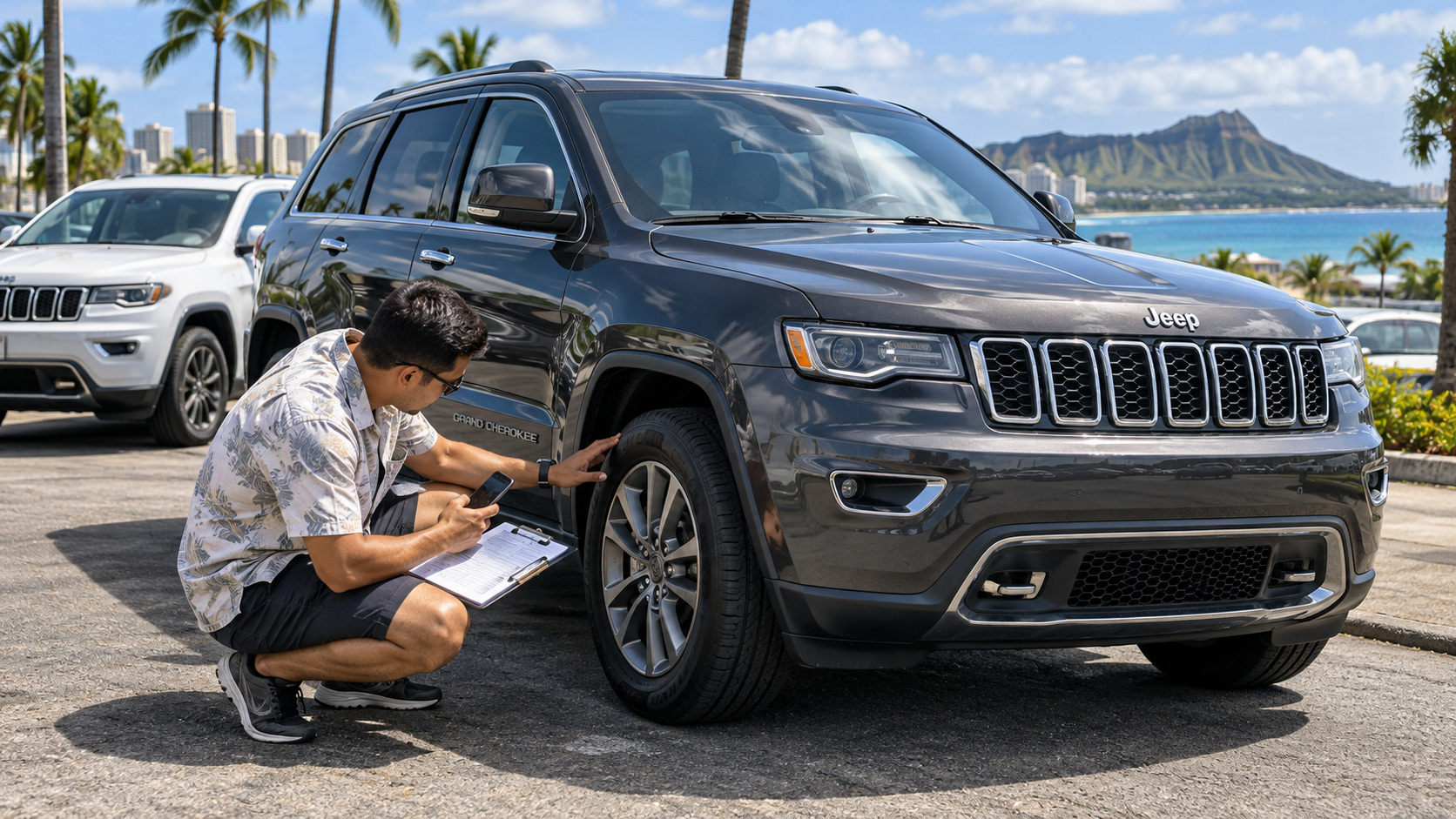
How to Remove Car Scratches and Know When to Get Help

How to remove car scratches safely starts with knowing how deeply the mark reaches into the finish. A faint scuff needs a different repair from exposed primer or metal. Therefore, begin with inspection before reaching for compound, polish, or touch up paint. The goal is to match the repair method to the damaged paint layer. That approach can reduce unnecessary abrasion and keep a small mark from becoming a larger repair. Identify How Deep the Scratch Goes Automotive paint has several layers that protect the body panel and create its finished color. The clear coat sits on top and protects the color layer below it. Beneath the color layer sits primer, which helps paint bond to the panel. Therefore, scratch depth tells you which repair methods can work. How can you tell how deep a scratch is? Start with clean paint, bright light, and a gentle fingernail check. A mark that does not catch your nail may stay within the clear coat. However, a groove that catches your nail may reach deeper into the finish. more In addition, color inside the scratch provides clues. A mark showing a different color may have passed through the upper paint layer. Primer can appear gray, while exposed metal may look bright or dark. Therefore, polishing should stop when missing paint becomes visible. Moreover, inspect the entire mark before choosing a product. Some scratches change depth from one end to the other. In addition, dirt inside the groove can make damage look worse than it is. Clean inspection gives you a clearer starting point. Separate Surface Transfer From Paint Damage A scuff can look severe even when another material sits on top of the clear coat. Paint transfer can happen when another painted object rubs against the body panel. Rubber, plastic, and road debris can also leave surface marks. Therefore, cleaning should come before abrasive correction. Is the mark a scratch or transferred material? Surface transfer sits on the finish, while a true scratch cuts into it. Wash the area with automotive soap and water first. Then dry it with a clean microfiber towel and inspect the mark again. If some color disappears during washing, the remaining mark may be much lighter than expected. However, avoid aggressive household cleaners because they can damage wax, sealant, or paint. A dedicated automotive cleaner gives you more control. After cleaning, use your fingertip and nail to inspect the remaining line. A smooth surface with visible residue may need gentle removal instead of paint repair. By contrast, a groove you can feel needs a depth based repair plan. Before applying any abrasive product, confirm three things: The area is clean and free of grit that could create new scratches during rubbing. The remaining mark stays within the clear coat and does not show primer or bare metal. The product label matches painted automotive surfaces and the repair method you plan to use. These checks can keep a surface scuff from turning into unnecessary paint correction. Can You Buff Out Minor Car Scratches at Home? Can you buff out minor car scratches at home? A buffable scratch is shallow damage that remains within the clear coat. Mild compound or polish uses fine abrasives to smooth the edges around that mark. Therefore, reflected light becomes less likely to highlight the groove. Scratch remover does not replace missing paint. Instead, it removes a very small amount of surrounding clear coat. That process levels the surface enough to reduce the mark's visibility. For this reason, more pressure is not always better. Work on a cool, clean panel away from direct sun. Apply a small amount of product with a clean applicator. Then use light pressure and short passes according to the product instructions. In addition, inspect the area between passes instead of polishing continuously. Stop once the mark has faded as much as the shallow correction allows. Continuing after that point removes more clear coat without fixing deeper paint loss. Therefore, a visible groove can remain even after the surrounding surface looks smoother. DIY car scratch repair works best when the mark is narrow, shallow, and confined to the clear coat. Larger areas or uncertain depth deserve more caution. Deeper Scratches Need Paint Restoration What if the scratch catches a fingernail or shows another color underneath? Those signs can point to damage below the clear coat. Once color coat or primer is missing, polishing cannot rebuild the lost material. Therefore, stronger compound is not the answer. Therefore, a small isolated mark may accept exact color matched touch up paint. The repair needs the correct paint code and careful preparation. In addition, the damaged spot must be clean before new material goes onto it. Touch up work aims to replace missing color and protect the exposed area. However, it may not create the same smooth finish as a larger refinishing repair. The result can still reduce visibility and protect a small chip or narrow scratch. Bare metal needs prompt attention because the protective paint layers no longer cover the panel. Moisture can reach the exposed surface directly. Therefore, delaying repair can allow corrosion to start around the damaged area. Avoid sanding deep scratches unless you have the tools and skill for controlled paint correction. Sanding removes coating material quickly. A mistake can widen the damaged area or create a dull patch around the original scratch. Know When Home Repair Should Stop When should DIY car scratch repair stop? Stop when the damage reaches primer, exposes metal, covers a large area, or has uncertain depth. Those signs call for a repair method beyond simple polishing. Professional repair may also make sense when the scratch crosses several body contours. Curves and edges can have less paint thickness than broad flat areas. Therefore, aggressive correction near an edge can remove clear coat faster than expected. Before deciding, look at the size, depth, location, and color loss. A short clear coat mark may be manageable at home. By contrast, a long groove through several layers needs paint restoration. If you are unsure, take clear photos and have the damage inspected before sanding or using strong compound. Cutter Chrysler Dodge Jeep Ram FIAT Honolulu can review visible paint damage and discuss an appropriate repair path. In addition, the team can explain whether the mark needs polishing, touch up work, or a deeper repair. The safest home approach is simple. Clean first, identify the damaged layer, and use the mildest method that matches the mark. If the scratch reaches deeper paint layers, stop before removing more material and get repair guidance.

What Families Should Know About Chrysler Pacifica Hybrid Efficiency in Hawaii

The Chrysler Pacifica Hybrid is designed to answer a very specific question many families are now asking: how much fuel can we realistically avoid using in daily driving. For drivers in Hawaii, where trips are often shorter and more predictable, that question becomes even more practical. Understanding how the 2026 Chrysler Pacifica Hybrid system works, how its efficiency is measured, and how it compares to a standard gasoline Pacifica is what allows buyers to decide whether a hybrid actually fits their routine. How MPGe and MPG Work in the 2026 Chrysler Pacifica Hybrid Many shoppers researching the 2026 Chrysler Pacifica Hybrid ask what MPGe actually means and how it compares to MPG. MPGe, or miles per gallon equivalent, is a measurement that reflects how far a vehicle can travel using electric energy compared to the energy in a gallon of gasoline. The 2026 Chrysler Pacifica Hybrid MPGe rating applies when the vehicle is operating on electric power from its battery. Once that battery energy is used, the vehicle transitions to standard hybrid operation and uses gasoline, at which point traditional MPG becomes the relevant measurement. This is where confusion happens. MPGe does not replace MPG. It represents a different operating mode. For comparison, a standard gasoline Chrysler Pacifica uses only MPG because it relies entirely on an internal combustion engine. That means fuel consumption is consistent across all driving, but it also means every mile driven requires gasoline. The key difference between these two systems is how energy is used: more The 2026 Chrysler Pacifica Hybrid can operate without gasoline during electric driving The standard gasoline Pacifica uses fuel continuously regardless of trip length MPGe applies only when the hybrid is using battery power MPG applies when gasoline is being used in either vehicle For families comparing options, this is where a direct decision point exists. If most driving consists of shorter trips where electric range can be used consistently, the hybrid system changes fuel usage significantly. If driving regularly exceeds electric range or charging is not part of the routine, the standard gasoline Pacifica may align more closely with how the vehicle is used. How the 2026 Chrysler Pacifica Hybrid System Actually Works Many buyers ask how the 2026 Chrysler Pacifica Hybrid switches between electric and gasoline power. A plug-in hybrid system is a drivetrain that combines a battery-powered electric motor with a gasoline engine, allowing the vehicle to use either or both depending on driving conditions. The 2026 Chrysler Pacifica Hybrid battery system stores energy that powers the electric motor. During lower-speed driving or when sufficient battery charge is available, the vehicle operates in electric mode. When the battery is depleted or when higher power is required, the gasoline engine activates and works alongside the electric motor. This system operates automatically. The driver does not manually switch between modes. Instead, the vehicle manages energy use based on demand, battery charge, and driving conditions. Mechanically, this allows the vehicle to: use electric power for lower-load driving situations engage the gasoline engine when additional power is needed recover some energy through regenerative braking For families, the implication is not just efficiency. It is flexibility. The 2026 Chrysler Pacifica Hybrid does not rely entirely on charging infrastructure to continue driving. Once battery charge is used, it functions similarly to a traditional hybrid vehicle. Compared to a standard gasoline Pacifica, which relies only on fuel combustion, the hybrid introduces an additional energy source. That added system is what enables fuel savings, but only when it is actively used through charging and electric driving. How Electric Range Changes Daily Driving Behavior Many shoppers want to know how far the 2026 Chrysler Pacifica Hybrid can go without using gas. Electric range refers to the distance the vehicle can travel using only battery power before the gasoline engine is required. The 2026 Chrysler Pacifica Hybrid electric range is designed to cover a significant portion of typical daily driving. For many families, this includes school drop-offs, errands, commuting, and short trips around town. What matters is not just the number itself, but how it aligns with routine. If most daily driving falls within that electric range, the vehicle will operate primarily on battery power, reducing gasoline usage. If daily driving regularly exceeds that range, the vehicle will transition more frequently into hybrid operation, where gasoline use becomes more consistent. This creates two different ownership patterns: drivers whose daily mileage stays within electric range will rely heavily on battery power drivers who exceed electric range regularly will use a combination of electric and gasoline power For comparison, a standard gasoline Pacifica does not change behavior based on trip length. Every mile uses fuel, regardless of distance. This is where buyers should evaluate their own driving habits rather than focusing only on published range figures. How Charging Works in Real Life for Families One of the most common concerns buyers have is whether charging the 2026 Chrysler Pacifica Hybrid is inconvenient. Charging is simply the process of replenishing the battery using an external power source. The 2026 Chrysler Pacifica Hybrid charging time depends on the type of charger used. A standard household outlet provides Level 1 charging, which is slower but does not require additional equipment. A Level 2 charger provides faster charging by delivering higher electrical output. In real-world use, charging often becomes part of an overnight routine. The vehicle is plugged in at home and reaches a full charge before the next day’s driving begins. This means: daily charging can align with normal parking habits no active management is required once plugged in the vehicle starts each day with available electric range For families who consistently charge at home, the hybrid system operates as intended. For those who do not plan to charge regularly, the vehicle will function more like a traditional hybrid, reducing the impact of its electric capability. A standard gasoline Pacifica does not require charging at all, which simplifies ownership but removes the ability to reduce fuel use through electric driving. When the 2026 Chrysler Pacifica Hybrid Actually Saves You Money Many buyers ultimately want to know whether the 2026 Chrysler Pacifica Hybrid will save them money compared to a gasoline model. The answer depends on how the vehicle is used. Fuel savings occur when electric driving replaces gasoline use. This means the hybrid provides the most benefit when: daily driving stays within electric range the vehicle is charged consistently short trips make up a large portion of total mileage In those conditions, gasoline usage can drop significantly because many miles are powered by electricity instead. However, if: driving frequently exceeds electric range charging is inconsistent long-distance driving is common the vehicle will rely more on gasoline, and the difference between hybrid and standard fuel costs becomes smaller. For families comparing the 2026 Chrysler Pacifica Hybrid to a standard gasoline Pacifica, the decision is not based on efficiency ratings alone. It is based on how often the hybrid system can actually replace fuel usage. The most accurate way to evaluate this is to compare daily driving distance to electric range and determine whether charging will be part of the routine. When those conditions align, the hybrid system delivers meaningful savings. When they do not, the standard gasoline Pacifica remains the more straightforward option. chrysler pacifica hybrid mpg, pacifica hybrid mpge vs mpg, chrysler pacifica hybrid range, pacifica hybrid charging time, plug in hybrid minivan efficiency, pacifica hybrid how it works, chrysler pacifica mpg, hybrid vs gas minivan, pacifica hybrid hawaii, hybrid minivan cost savings

2026 Jeep Wrangler Trim Differences Explained for Oʻahu Drivers

The 2026 Jeep Wrangler lineup is designed around a clear but often misunderstood concept: each trim changes how the vehicle behaves, not just what features it includes. Many shoppers comparing Wrangler trims are trying to understand which model actually fits their driving, especially in a place like Oʻahu where conditions range from city traffic and wet pavement to sand and uneven terrain. The key to choosing the right 2026 Jeep Wrangler is understanding how its systems work and how those systems translate to real-world use. How Jeep Wrangler Trims Are Engineered Around Capability vs Daily Driving Many shoppers researching 2026 Jeep Wrangler trims ask what the real difference is between models like Sport, Sahara, and Rubicon. The answer is that each trim adjusts the balance between mechanical capability and everyday usability. The 2026 Jeep Wrangler Sport is built around core Jeep architecture. It provides a standard 4x4 system, solid axles, and the foundational structure needed for light off-road use, but without specialized hardware. This makes it effective for drivers who want flexibility without committing to higher-level systems they may not use. The 2026 Jeep Wrangler Sahara shifts that balance toward daily driving. It builds on the same platform but prioritizes ride comfort, interior usability, and technology integration. These changes do not fundamentally alter capability, but they change how the vehicle behaves during everyday use. more The 2026 Jeep Wrangler Rubicon is engineered in the opposite direction. Instead of adding comfort first, it introduces mechanical systems designed to improve traction, control, and low-speed maneuverability in off-road environments. For Oʻahu drivers, this distinction matters because most driving happens on pavement, with occasional transitions to sand or trails. Choosing a trim is less about maximum capability and more about how often that capability will be used. How the 2026 Jeep Wrangler 4x4 Systems Actually Work Across Trims Many buyers comparing Wrangler trims want to understand the difference between the 2026 Jeep Wrangler Command-Trac 4x4 system and the 2026 Jeep Wrangler Rock-Trac 4x4 system. A 4x4 system is a drivetrain configuration that distributes engine torque to both the front and rear axles to improve traction. The 2026 Jeep Wrangler Command-Trac 4x4 system, used on Sport and Sahara trims, is a part-time system with a lower gear ratio designed for general traction scenarios. When engaged, it splits torque between the front and rear axles, helping maintain forward movement on loose or wet surfaces. The 2026 Jeep Wrangler Rock-Trac 4x4 system, used on the Rubicon, changes how torque is applied. It uses a lower transfer case gear ratio, which multiplies torque at the wheels while reducing vehicle speed. This allows the Wrangler to move more slowly and with greater control. Mechanically, this difference affects driving in three key ways: Lower gearing increases torque output at low speeds without requiring throttle input Torque delivery becomes more controlled, reducing wheel spin The vehicle can maintain movement over obstacles without relying on momentum For Oʻahu conditions, Command-Trac is typically sufficient for sand and rain. Rock-Trac becomes relevant when traction varies significantly across wheels, such as on uneven or rocky terrain. How Locking Differentials and Axle Control Change Rubicon Capability Many shoppers ask what makes the 2026 Jeep Wrangler Rubicon more capable than other trims. The answer lies in how it manages torque at the axle level through locking differentials. A locking differential is a system that forces both wheels on an axle to rotate at the same speed, regardless of traction conditions. In a standard differential, torque is distributed unevenly when one wheel loses traction. The slipping wheel receives more power, reducing overall forward movement. The 2026 Jeep Wrangler Rubicon locking differentials eliminate this imbalance by mechanically linking both wheels together. This ensures that torque is applied evenly, even if one wheel has less grip. The Rubicon also includes an electronic sway bar disconnect system. A sway bar is a component that limits suspension movement to improve stability. Disconnecting it allows the suspension to move more freely, increasing articulation. This combination changes how the vehicle behaves: Locking differentials maintain forward movement when traction is uneven Increased articulation keeps more tires in contact with the ground Torque is applied more effectively across all available contact points For buyers, the implication is clear. These systems are not general-use upgrades. They are designed for conditions where traction varies dramatically between wheels. For most Oʻahu drivers, they represent specialized capability rather than a daily necessity. How Suspension and Tire Design Affect Ride and Handling Many comparisons mention tires and suspension differences but do not explain how they affect real driving. Suspension determines how a vehicle absorbs impacts and maintains tire contact with the road or terrain. The 2026 Jeep Wrangler Sport and Sahara use suspension setups designed for balance. These systems prioritize predictable handling and stability on paved roads while still allowing moderate articulation for light off-road use. The 2026 Jeep Wrangler Rubicon uses a suspension system tuned for articulation. Articulation refers to the ability of each wheel to move independently to maintain contact with uneven surfaces. This difference changes driving behavior: Higher articulation improves traction off-road by keeping tires grounded Softer suspension tuning can reduce stability at higher speeds Larger off-road tires increase grip on loose surfaces but may introduce more road noise Shoppers comparing trims should evaluate: how often they drive on uneven terrain whether ride comfort or off-road traction matters more how tire size impacts both grip and daily drivability For Oʻahu drivers, where paved roads dominate daily use, the balance-focused setup of Sport or Sahara often aligns better with real driving conditions. How Interior and Technology Differences Affect Daily Ownership Many buyers deciding between the 2026 Jeep Wrangler Sport and Sahara ask whether interior upgrades are worth it. Interior and technology systems affect how the vehicle functions during everyday use, not just how it feels. The 2026 Jeep Wrangler interior technology includes systems such as infotainment displays, driver assistance features, and seat adjustments. These systems influence usability by reducing driver workload and improving comfort. For example: Larger infotainment systems improve navigation visibility and interaction Driver assistance features reduce effort during parking and traffic conditions Seat adjustability affects long-term comfort during daily driving These differences matter because they are used constantly. While off-road systems may be used occasionally, interior systems are part of every drive. For buyers using their Wrangler as a primary vehicle, these features often carry more long-term value than additional off-road hardware. Choosing the Right 2026 Jeep Wrangler Trim for Oʻahu Driving Conditions Many shoppers comparing the 2026 Jeep Wrangler trims are ultimately trying to answer one question: which configuration actually fits how I drive day to day. The answer depends on how often you will rely on the Wrangler’s traction systems versus how often you are using it as a daily vehicle. Looking at the available Wrangler inventory, most configurations fall into a few key patterns, and each one aligns to a different type of use. The 2026 Jeep Wrangler 4-Door Sahara represents the strongest balance between capability and daily usability. It retains the Wrangler’s Command-Trac 4x4 system while prioritizing interior comfort, technology, and smoother on-road behavior. For Oʻahu drivers commuting through Honolulu, handling rain, and occasionally driving on sand or uneven terrain, this configuration typically aligns with real-world use. The 2026 Jeep Wrangler 4-Door Willys shifts toward off-road-focused value. It builds on the standard 4x4 system but introduces more aggressive tire and traction-oriented components. This makes it more capable than a standard Sport configuration in loose or uneven terrain without introducing the full mechanical complexity of the Rubicon. The 2026 Jeep Wrangler 4-Door Rubicon is designed for drivers who will actively use advanced traction systems. Its Rock-Trac 4x4 system, locking differentials, and articulation-focused suspension are built for conditions where traction varies significantly between wheels. For most Oʻahu driving scenarios, these systems are specialized, but for buyers planning regular trail use, they provide meaningful control advantages. The 2026 Jeep Wrangler Sport and Sport S configurations, including both 2-door and 4-door options, serve as the most straightforward entry into the Wrangler platform. They provide the core Command-Trac 4x4 system and solid axle construction without additional off-road hardware. These trims are often the most flexible starting point for buyers who want capability but prefer to evaluate upgrades based on actual use over time. There are also more specialized configurations within the lineup. The 2026 Jeep Wrangler 85th Anniversary Edition and Wrangler MOAB 392 represent more niche use cases, combining appearance, performance, or higher-output capability with the Wrangler platform. These trims typically appeal to buyers with very specific preferences rather than general-use needs. For Oʻahu drivers, the decision comes down to how often the vehicle’s advanced systems will actually be used. If driving is primarily on-road with occasional sand or light trails, the Sahara or Sport S provides the most practical balance If off-road capability is a regular part of driving, the Willys introduces meaningful traction improvements If maximum mechanical control is required for challenging terrain, the Rubicon’s systems become relevant The most effective way to choose between Wrangler trims is to match the vehicle’s mechanical systems to your actual driving conditions. When the 2026 Jeep Wrangler’s 4x4 systems, suspension behavior, and traction hardware are understood in real terms, the trim decision becomes a clear alignment between capability and daily use rather than a comparison of feature lists.