




Cutter Chrysler Dodge Jeep Ram Fiat Honolulu

Blog / Cutter Chrysler Dodge Jeep Ram Fiat Honolulu Service

2026 Jeep Wrangler Trim Differences Explained for Oʻahu Drivers

The 2026 Jeep Wrangler lineup is designed around a clear but often misunderstood concept: each trim changes how the vehicle behaves, not just what features it includes. Many shoppers comparing Wrangler trims are trying to understand which model actually fits their driving, especially in a place like Oʻahu where conditions range from city traffic and wet pavement to sand and uneven terrain. The key to choosing the right 2026 Jeep Wrangler is understanding how its systems work and how those systems translate to real-world use.

How Jeep Wrangler Trims Are Engineered Around Capability vs Daily Driving

Many shoppers researching 2026 Jeep Wrangler trims ask what the real difference is between models like Sport, Sahara, and Rubicon. The answer is that each trim adjusts the balance between mechanical capability and everyday usability.

The 2026 Jeep Wrangler Sport is built around core Jeep architecture. It provides a standard 4x4 system, solid axles, and the foundational structure needed for light off-road use, but without specialized hardware. This makes it effective for drivers who want flexibility without committing to higher-level systems they may not use.

The 2026 Jeep Wrangler Sahara shifts that balance toward daily driving. It builds on the same platform but prioritizes ride comfort, interior usability, and technology integration. These changes do not fundamentally alter capability, but they change how the vehicle behaves during everyday use.

The 2026 Jeep Wrangler Rubicon is engineered in the opposite direction. Instead of adding comfort first, it introduces mechanical systems designed to improve traction, control, and low-speed maneuverability in off-road environments.

For Oʻahu drivers, this distinction matters because most driving happens on pavement, with occasional transitions to sand or trails. Choosing a trim is less about maximum capability and more about how often that capability will be used.

How the 2026 Jeep Wrangler 4x4 Systems Actually Work Across Trims

Many buyers comparing Wrangler trims want to understand the difference between the 2026 Jeep Wrangler Command-Trac 4x4 system and the 2026 Jeep Wrangler Rock-Trac 4x4 system. A 4x4 system is a drivetrain configuration that distributes engine torque to both the front and rear axles to improve traction.

The 2026 Jeep Wrangler Command-Trac 4x4 system, used on Sport and Sahara trims, is a part-time system with a lower gear ratio designed for general traction scenarios. When engaged, it splits torque between the front and rear axles, helping maintain forward movement on loose or wet surfaces.

The 2026 Jeep Wrangler Rock-Trac 4x4 system, used on the Rubicon, changes how torque is applied. It uses a lower transfer case gear ratio, which multiplies torque at the wheels while reducing vehicle speed. This allows the Wrangler to move more slowly and with greater control.

Mechanically, this difference affects driving in three key ways:

  • Lower gearing increases torque output at low speeds without requiring throttle input
  • Torque delivery becomes more controlled, reducing wheel spin
  • The vehicle can maintain movement over obstacles without relying on momentum

For Oʻahu conditions, Command-Trac is typically sufficient for sand and rain. Rock-Trac becomes relevant when traction varies significantly across wheels, such as on uneven or rocky terrain.

How Locking Differentials and Axle Control Change Rubicon Capability

Many shoppers ask what makes the 2026 Jeep Wrangler Rubicon more capable than other trims. The answer lies in how it manages torque at the axle level through locking differentials.

A locking differential is a system that forces both wheels on an axle to rotate at the same speed, regardless of traction conditions. In a standard differential, torque is distributed unevenly when one wheel loses traction. The slipping wheel receives more power, reducing overall forward movement.

The 2026 Jeep Wrangler Rubicon locking differentials eliminate this imbalance by mechanically linking both wheels together. This ensures that torque is applied evenly, even if one wheel has less grip.

The Rubicon also includes an electronic sway bar disconnect system. A sway bar is a component that limits suspension movement to improve stability. Disconnecting it allows the suspension to move more freely, increasing articulation.

This combination changes how the vehicle behaves:

  • Locking differentials maintain forward movement when traction is uneven
  • Increased articulation keeps more tires in contact with the ground
  • Torque is applied more effectively across all available contact points

For buyers, the implication is clear. These systems are not general-use upgrades. They are designed for conditions where traction varies dramatically between wheels. For most Oʻahu drivers, they represent specialized capability rather than a daily necessity.

How Suspension and Tire Design Affect Ride and Handling

Many comparisons mention tires and suspension differences but do not explain how they affect real driving. Suspension determines how a vehicle absorbs impacts and maintains tire contact with the road or terrain.

The 2026 Jeep Wrangler Sport and Sahara use suspension setups designed for balance. These systems prioritize predictable handling and stability on paved roads while still allowing moderate articulation for light off-road use.

The 2026 Jeep Wrangler Rubicon uses a suspension system tuned for articulation. Articulation refers to the ability of each wheel to move independently to maintain contact with uneven surfaces.

This difference changes driving behavior:

  • Higher articulation improves traction off-road by keeping tires grounded
  • Softer suspension tuning can reduce stability at higher speeds
  • Larger off-road tires increase grip on loose surfaces but may introduce more road noise

Shoppers comparing trims should evaluate:

  • how often they drive on uneven terrain
  • whether ride comfort or off-road traction matters more
  • how tire size impacts both grip and daily drivability

For Oʻahu drivers, where paved roads dominate daily use, the balance-focused setup of Sport or Sahara often aligns better with real driving conditions.

How Interior and Technology Differences Affect Daily Ownership

Many buyers deciding between the 2026 Jeep Wrangler Sport and Sahara ask whether interior upgrades are worth it. Interior and technology systems affect how the vehicle functions during everyday use, not just how it feels.

The 2026 Jeep Wrangler interior technology includes systems such as infotainment displays, driver assistance features, and seat adjustments. These systems influence usability by reducing driver workload and improving comfort.

For example:

  • Larger infotainment systems improve navigation visibility and interaction
  • Driver assistance features reduce effort during parking and traffic conditions
  • Seat adjustability affects long-term comfort during daily driving

These differences matter because they are used constantly. While off-road systems may be used occasionally, interior systems are part of every drive.

For buyers using their Wrangler as a primary vehicle, these features often carry more long-term value than additional off-road hardware.

Choosing the Right 2026 Jeep Wrangler Trim for Oʻahu Driving Conditions

Many shoppers comparing the 2026 Jeep Wrangler trims are ultimately trying to answer one question: which configuration actually fits how I drive day to day. The answer depends on how often you will rely on the Wrangler’s traction systems versus how often you are using it as a daily vehicle.

Looking at the available Wrangler inventory, most configurations fall into a few key patterns, and each one aligns to a different type of use.

The 2026 Jeep Wrangler 4-Door Sahara represents the strongest balance between capability and daily usability. It retains the Wrangler’s Command-Trac 4x4 system while prioritizing interior comfort, technology, and smoother on-road behavior. For Oʻahu drivers commuting through Honolulu, handling rain, and occasionally driving on sand or uneven terrain, this configuration typically aligns with real-world use.

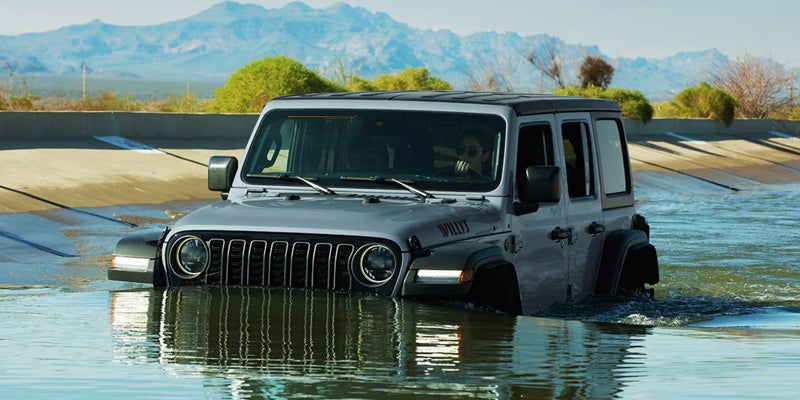
The 2026 Jeep Wrangler 4-Door Willys shifts toward off-road-focused value. It builds on the standard 4x4 system but introduces more aggressive tire and traction-oriented components. This makes it more capable than a standard Sport configuration in loose or uneven terrain without introducing the full mechanical complexity of the Rubicon.

The 2026 Jeep Wrangler 4-Door Rubicon is designed for drivers who will actively use advanced traction systems. Its Rock-Trac 4x4 system, locking differentials, and articulation-focused suspension are built for conditions where traction varies significantly between wheels. For most Oʻahu driving scenarios, these systems are specialized, but for buyers planning regular trail use, they provide meaningful control advantages.

The 2026 Jeep Wrangler Sport and Sport S configurations, including both 2-door and 4-door options, serve as the most straightforward entry into the Wrangler platform. They provide the core Command-Trac 4x4 system and solid axle construction without additional off-road hardware. These trims are often the most flexible starting point for buyers who want capability but prefer to evaluate upgrades based on actual use over time.

There are also more specialized configurations within the lineup. The 2026 Jeep Wrangler 85th Anniversary Edition and Wrangler MOAB 392 represent more niche use cases, combining appearance, performance, or higher-output capability with the Wrangler platform. These trims typically appeal to buyers with very specific preferences rather than general-use needs.

For Oʻahu drivers, the decision comes down to how often the vehicle’s advanced systems will actually be used.

  • If driving is primarily on-road with occasional sand or light trails, the Sahara or Sport S provides the most practical balance
  • If off-road capability is a regular part of driving, the Willys introduces meaningful traction improvements
  • If maximum mechanical control is required for challenging terrain, the Rubicon’s systems become relevant

The most effective way to choose between Wrangler trims is to match the vehicle’s mechanical systems to your actual driving conditions. When the 2026 Jeep Wrangler’s 4x4 systems, suspension behavior, and traction hardware are understood in real terms, the trim decision becomes a clear alignment between capability and daily use rather than a comparison of feature lists.
Posted in:

Related Posts

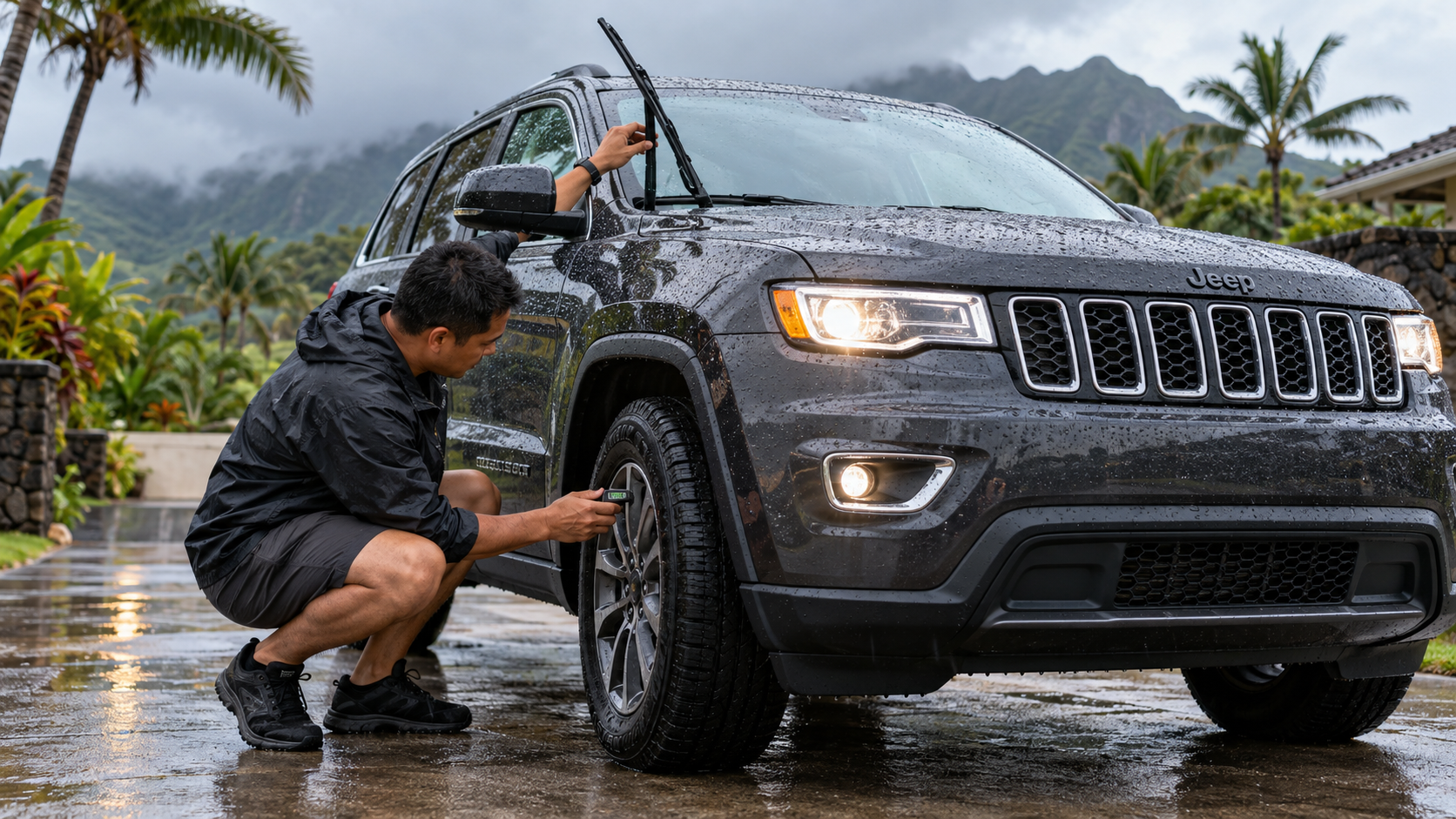
Tips for Driving in Rain for Hawaii Wet Season Prep

Tips for Driving in Rain for Hawaii Wet Season Prep

Tips for driving in rain start with checking the parts of your vehicle that control traction, visibility, and stopping. Hawaii's wetter months can bring sudden downpours, standing water, and lower visibility on familiar roads. Therefore, preparation should begin before the first heavy storm arrives. Tires, wipers, lights, brakes, and cabin clearing all deserve a close look. A short inspection now can reveal wear that becomes harder to manage once the pavement is wet. Start With Tire Tread and Pressure What should you inspect first before regular rainy weather? Start with tire tread, pressure, visible damage, and uneven wear. Tires are the only parts of the vehicle that touch the road. Therefore, their condition has a direct role in grip and water removal. Tread channels move water away from the tire's contact area. As tread wears down, those channels have less depth available for water. This can make it easier for the tire to ride on a layer of water. In addition, uneven wear may leave one section with less usable tread than another. Check the tread across several points on each tire. Look at the center, inner edge, and outer edge. Also inspect the sidewalls for cuts, bulges, cracking, or other visible damage. Before wet weather settles in, a tire check should cover several items. Measure tread depth instead of relying only on a quick visual check. Check cold tire pressure against the value listed by the vehicle manufacturer. Look for uneven wear, embedded objects, sidewall damage, or areas that need professional inspection. In addition, pressure matters because it changes the tire's shape against the pavement. Therefore, use the manufacturer listed pressure when the tires are cold. Do not use the maximum number molded into the tire sidewall as the target pressure. Inspect Wiper Blades and Windshield Visibility How can you tell whether your wipers are ready for heavy rain? Watch how they clear the glass, then inspect the rubber closely. A blade can move across the windshield and still leave too much water behind. Streaks, skipped sections, chatter, or smearing can signal worn rubber or poor blade contact. Furthermore, torn edges or hardened rubber can keep the blade from following the windshield correctly. Replacing weak blades before a storm is simpler than discovering the problem during a downpour. Furthermore, windshield preparation goes beyond the blades. Clean glass gives the wipers a better surface to clear. In addition, a full washer reservoir gives you a way to remove road spray, dirt, and residue between storms. Check these visibility items before the wetter part of the year. Run the wipers with washer fluid and watch for streaks, missed areas, chatter, or skipping. Inspect the blade rubber for tears, hard spots, bending, or separation from the frame. Clean the inside and outside of the windshield so glare, film, and moisture are easier to manage. Cabin airflow also matters when humid air fogs the glass. Therefore, test the front defogger and air conditioning before you need them. The windshield should clear quickly enough for you to keep a steady view of the road. Check Every Exterior Light Why do exterior lights matter before rain starts? They let you see ahead while also making your vehicle easier for surrounding traffic to notice. Rain can reduce contrast even during daylight, so weak or failed lights deserve attention before wet travel. Start with the headlights and taillights. Then check the brake lights, turn signals, and hazard flashers. If one side appears dimmer, inspect the bulb or lighting unit before the next storm. Additionally, a second person can make this check easier. Have someone stand outside while you press the brake pedal and operate each signal. If you are alone, use a wall or garage door reflection for a basic check, then confirm the lights directly. Moreover, clean lenses matter too. Dirt and haze can reduce the amount of usable light leaving the housing. Therefore, wipe the lenses clean and look for moisture inside the assemblies. Have the Brakes Checked Before Wet Roads Expose Problems What brake warning signs deserve attention before rainy weather? Noise, pulling, vibration, grinding, or unusual pedal feel should prompt an inspection. Wet pavement gives the tires less grip, so the braking hardware should be ready before traction drops. Furthermore, brake pads need enough material to create steady friction against the rotors. Rotors also need a usable surface without severe scoring, heavy rust, or damage. In addition, brake fluid should be at the correct level and free from known service concerns. In addition, pay attention to what the vehicle tells you during ordinary stops. A steering pull can point to uneven braking or another issue that deserves diagnosis. Vibration through the pedal or steering wheel can also signal a problem that should be checked. A brake inspection before the rainy season should focus on clear warning signs. Listen for grinding, scraping, squealing, or other new sounds during braking. Notice whether the vehicle pulls, vibrates, or needs unusual pedal travel to slow down. Ask for pad, rotor, and fluid checks if service history is unclear or any warning sign appears. After driving through deeper water, brake response can feel different for a short period. Therefore, use extra space and light pedal pressure until the brakes respond normally again. Never enter flood water simply to test whether a road is passable. Make Sure the Cabin Can Stay Clear and Dry What happens if the windshield keeps fogging during rain? Moisture inside the cabin can block your view even when the wipers are working correctly. Therefore, the heating, ventilation, air conditioning, and defogging controls need to respond quickly. Test the front defogger before a storm. Turn on the air conditioning and direct airflow toward the windshield. You should feel air reaching the glass across a broad area. Furthermore, check the cabin for obvious moisture entry. Damp carpet, wet floor mats, or recurring condensation may point to a leak that needs attention. Door and window seals should sit firmly against their mating surfaces. Keeping the cabin dry also reduces how much moisture collects on the glass. In addition, clean interior glass is easier to clear because oily film can hold moisture and increase glare. Use the Inspection to Prepare for Hawaii's Wet Season What should you confirm before the first stretch of heavy rain? Confirm that the vehicle can maintain grip, clear the windshield, signal clearly, stop predictably, and remove fog from the cabin. Moreover, start early enough to fix worn parts before a storm arrives. Therefore, do not wait for a rainy morning to discover weak wipers or low tread. A driveway check can catch many basic issues. In addition, a service visit can address concerns that need closer inspection. Hawaii rain can arrive quickly and make familiar roads feel very different. Standing water can also hide pavement edges, potholes, or debris. For this reason, preparation should support calm decisions once the road becomes wet. Your rainy season check does not need to be complicated. Inspect the tires, test the wipers, verify the lights, listen to the brakes, and confirm the defogger works. When each part is ready, the vehicle is easier to assess. Therefore, you can address weak points before the next storm arrives.

Used Cars Honolulu Hawaii Pricing Factors Explained

Used Cars Honolulu Hawaii Pricing Factors Explained

Used cars Honolulu Hawaii shoppers compare can look nearly identical at first. Yet their prices may differ for several concrete reasons. For this reason, price starts with the individual vehicle, then changes with mileage, condition, history, equipment, and the local market. Therefore, a useful comparison needs more than the model year and asking price. You need to look at the whole vehicle before deciding whether the number makes sense. Why Two Similar Used Vehicles Can Have Different Prices Why can two vehicles from the same year carry different prices? The answer starts with the details tied to each specific vehicle. A used SUV may share a model year with another example. Yet the two may differ in mileage, trim, service records, or prior damage. Therefore, treat the sticker price as one part of the comparison. A lower listed price may reflect more miles, fewer features, visible wear, or a different history. By contrast, a higher price may reflect lower mileage, stronger service records, added equipment, or recent reconditioning. Used cars Honolulu Hawaii shoppers review deserve a complete vehicle comparison. In addition, the closest match is one with a similar year, trim, mileage range, and equipment list. After that, history and condition provide more context. That process also makes price differences easier to explain. Instead of asking why one vehicle costs more, ask what separates the two examples. The answer may come from several small differences working together. How Age, Mileage, and Condition Shape the Starting Value Does lower mileage always mean the stronger value? No. Mileage matters, but it needs to be read beside age, care, and physical condition. Age creates the first reference point. A newer vehicle usually sits beside other vehicles from a similar model year. However, mileage then adds another layer. A five year old vehicle with 35,000 miles presents a different record than one with 85,000 miles. Condition adds more detail. Paint damage, worn tires, interior wear, brake life, suspension wear, or overdue service can all change the comparison. Therefore, two vehicles with similar mileage can still deserve different prices. Used cars Honolulu Hawaii shoppers examine should also show signs of care. Service records can show whether the owner completed routine maintenance on time. In addition, a pre purchase inspection can reveal issues that are not obvious during a short walkaround. Mileage is useful because it gives a quick measure of use. Still, it should never carry the full decision by itself. A lower mileage vehicle with poor upkeep may be less appealing than a higher mileage example with strong records. Why Vehicle History and Maintenance Records Change the Number How much should vehicle history matter when comparing prices? It matters because history can reveal events that are not visible from the outside. A history report may show prior accidents, title concerns, ownership changes, or odometer records. Therefore, it gives shoppers another layer of context before comparing two listings. The type of event also matters. Minor cosmetic damage is different from a major collision or title issue. Furthermore, maintenance records add another view. Oil changes, brake service, tire replacement, fluid service, and larger repairs can show how the owner cared for the vehicle. In addition, complete records can make future maintenance planning easier. Used cars Honolulu Hawaii shoppers consider need review for both history and current state. A clean report does not replace an inspection. Likewise, a prior repair does not tell the entire story without more detail. The most useful question is simple. What does the history tell you about the life of this specific vehicle? That answer gives the listed price more context. How Trim, Equipment, and Configuration Change a Comparison Why does one version of the same model cost more? Trim level and installed equipment can change what the vehicle includes. Two vehicles may share the same model name and year but still have very different equipment. One may include four wheel drive, upgraded seating, driver assistance features, a larger screen, or a stronger audio package. Therefore, comparing the prices without checking the build can create a false mismatch. Moreover, factory options also matter because they change the original configuration. Some equipment remains useful for years after the first sale. In addition, certain features may be harder to find in local inventory. Used cars Honolulu Hawaii listings deserve the closest possible trim and equipment match. Start with the exact model and year. Then compare drivetrain, trim, seating, technology, safety equipment, and major factory packages. A fair comparison does not require identical vehicles. However, it should account for important equipment differences before judging the price gap. Why Honolulu Market Pricing Needs Local Comparisons Should you judge Honolulu pricing only against national averages? No. Local pricing matters because nearby transaction data and available inventory shape vehicle values. Still, national tools are useful for a broad reference point. However, local data can make those tools more useful. Local demand, available supply, trim availability, and recent transactions all shape the range shoppers may see. Therefore, check used cars in Honolulu against nearby vehicles with similar details. Look for the same model year, trim, mileage range, and equipment. Then compare history and condition where that information is available. In addition, pay attention to how many close matches you can find. A common configuration gives you more examples for comparison. A harder to find version may have fewer direct matches. Local comparison does not mean accepting any listed price. Instead, it gives you a more relevant group of vehicles to review before making a judgment. How to Decide Whether a Used Vehicle Price Makes Sense What should you compare before deciding whether a listed price is fair? Start with the complete vehicle, not the price alone. First, match the year, model, and trim as closely as possible. Next, compare mileage, equipment, history, and visible condition. Then check nearby listings and recognized valuation tools for added context. Used cars Honolulu Hawaii shoppers evaluate become easier to compare with the same checklist each time. This keeps one detail from taking over the decision. It also makes it easier to spot why one vehicle may justify a different price. Therefore, focus on the full package. A fair price should make sense beside similar local examples. When the details line up, the number becomes easier to judge. As a result, that approach gives you a clearer way to shop. You can compare each vehicle on its own record, then decide which option fits your needs and budget.

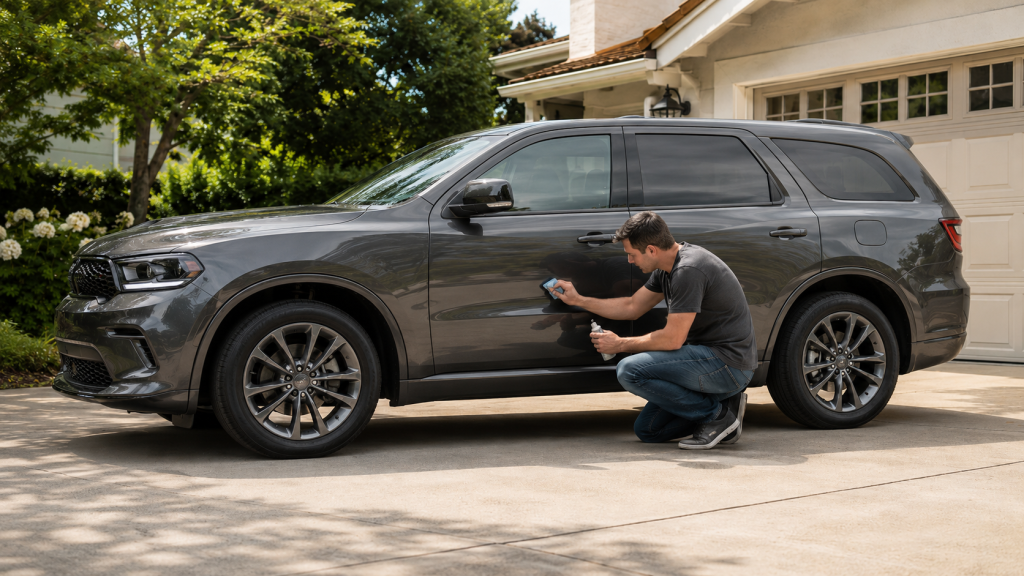
how to remove car scratches

How to Remove Car Scratches and Know When to Get Help

How to remove car scratches safely starts with knowing how deeply the mark reaches into the finish. A faint scuff needs a different repair from exposed primer or metal. Therefore, begin with inspection before reaching for compound, polish, or touch up paint. The goal is to match the repair method to the damaged paint layer. That approach can reduce unnecessary abrasion and keep a small mark from becoming a larger repair. Identify How Deep the Scratch Goes Automotive paint has several layers that protect the body panel and create its finished color. The clear coat sits on top and protects the color layer below it. Beneath the color layer sits primer, which helps paint bond to the panel. Therefore, scratch depth tells you which repair methods can work. How can you tell how deep a scratch is? Start with clean paint, bright light, and a gentle fingernail check. A mark that does not catch your nail may stay within the clear coat. However, a groove that catches your nail may reach deeper into the finish. In addition, color inside the scratch provides clues. A mark showing a different color may have passed through the upper paint layer. Primer can appear gray, while exposed metal may look bright or dark. Therefore, polishing should stop when missing paint becomes visible. Moreover, inspect the entire mark before choosing a product. Some scratches change depth from one end to the other. In addition, dirt inside the groove can make damage look worse than it is. Clean inspection gives you a clearer starting point. Separate Surface Transfer From Paint Damage A scuff can look severe even when another material sits on top of the clear coat. Paint transfer can happen when another painted object rubs against the body panel. Rubber, plastic, and road debris can also leave surface marks. Therefore, cleaning should come before abrasive correction. Is the mark a scratch or transferred material? Surface transfer sits on the finish, while a true scratch cuts into it. Wash the area with automotive soap and water first. Then dry it with a clean microfiber towel and inspect the mark again. If some color disappears during washing, the remaining mark may be much lighter than expected. However, avoid aggressive household cleaners because they can damage wax, sealant, or paint. A dedicated automotive cleaner gives you more control. After cleaning, use your fingertip and nail to inspect the remaining line. A smooth surface with visible residue may need gentle removal instead of paint repair. By contrast, a groove you can feel needs a depth based repair plan. Before applying any abrasive product, confirm three things: The area is clean and free of grit that could create new scratches during rubbing. The remaining mark stays within the clear coat and does not show primer or bare metal. The product label matches painted automotive surfaces and the repair method you plan to use. These checks can keep a surface scuff from turning into unnecessary paint correction. Can You Buff Out Minor Car Scratches at Home? Can you buff out minor car scratches at home? A buffable scratch is shallow damage that remains within the clear coat. Mild compound or polish uses fine abrasives to smooth the edges around that mark. Therefore, reflected light becomes less likely to highlight the groove. Scratch remover does not replace missing paint. Instead, it removes a very small amount of surrounding clear coat. That process levels the surface enough to reduce the mark's visibility. For this reason, more pressure is not always better. Work on a cool, clean panel away from direct sun. Apply a small amount of product with a clean applicator. Then use light pressure and short passes according to the product instructions. In addition, inspect the area between passes instead of polishing continuously. Stop once the mark has faded as much as the shallow correction allows. Continuing after that point removes more clear coat without fixing deeper paint loss. Therefore, a visible groove can remain even after the surrounding surface looks smoother. DIY car scratch repair works best when the mark is narrow, shallow, and confined to the clear coat. Larger areas or uncertain depth deserve more caution. Deeper Scratches Need Paint Restoration What if the scratch catches a fingernail or shows another color underneath? Those signs can point to damage below the clear coat. Once color coat or primer is missing, polishing cannot rebuild the lost material. Therefore, stronger compound is not the answer. Therefore, a small isolated mark may accept exact color matched touch up paint. The repair needs the correct paint code and careful preparation. In addition, the damaged spot must be clean before new material goes onto it. Touch up work aims to replace missing color and protect the exposed area. However, it may not create the same smooth finish as a larger refinishing repair. The result can still reduce visibility and protect a small chip or narrow scratch. Bare metal needs prompt attention because the protective paint layers no longer cover the panel. Moisture can reach the exposed surface directly. Therefore, delaying repair can allow corrosion to start around the damaged area. Avoid sanding deep scratches unless you have the tools and skill for controlled paint correction. Sanding removes coating material quickly. A mistake can widen the damaged area or create a dull patch around the original scratch. Know When Home Repair Should Stop When should DIY car scratch repair stop? Stop when the damage reaches primer, exposes metal, covers a large area, or has uncertain depth. Those signs call for a repair method beyond simple polishing. Professional repair may also make sense when the scratch crosses several body contours. Curves and edges can have less paint thickness than broad flat areas. Therefore, aggressive correction near an edge can remove clear coat faster than expected. Before deciding, look at the size, depth, location, and color loss. A short clear coat mark may be manageable at home. By contrast, a long groove through several layers needs paint restoration. If you are unsure, take clear photos and have the damage inspected before sanding or using strong compound. Cutter Chrysler Dodge Jeep Ram FIAT Honolulu can review visible paint damage and discuss an appropriate repair path. In addition, the team can explain whether the mark needs polishing, touch up work, or a deeper repair. The safest home approach is simple. Clean first, identify the damaged layer, and use the mildest method that matches the mark. If the scratch reaches deeper paint layers, stop before removing more material and get repair guidance.