





FIAT 500e electric vehicle ownership feels different from gasoline vehicle driving because charging routines, regenerative braking, instant electric torque, and compact EV design change how commuting and city travel operate throughout the day. Drivers researching the FIAT 500e are usually trying to understand whether switching to an electric vehicle creates major lifestyle disruption or whether the adjustment becomes easier once charging and driving patterns settle into routine. The answer starts with how electric motors deliver acceleration, how charging replaces fuel stops, and how compact EV platforms change maneuverability throughout urban driving.
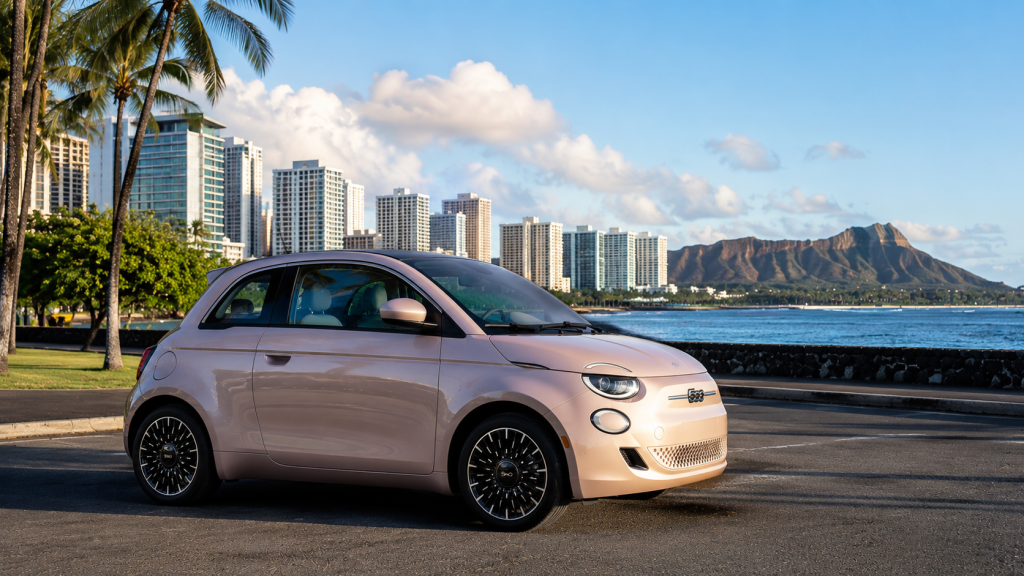
Why Driving an Electric Vehicle Feels Different From a Gasoline Vehicle
One of the first things drivers notice after switching to an EV is how differently the vehicle responds during acceleration and braking. That change begins with the electric motor.
Gasoline engines create power through combustion cycles that build RPM gradually. Electric motors deliver torque immediately because electricity transfers directly into rotational force without requiring combustion buildup. The FIAT 500e electric motor creates acceleration instantly when throttle input begins.
This changes city driving substantially:
• Acceleration responds immediately from stoplights
• Power delivery feels smoother during traffic movement
• Cabin vibration decreases because there is no combustion engine operation
• Low speed driving feels quieter during parking and urban streets
The FIAT 500e compact EV platform also changes weight distribution. Battery packs sit lower within the chassis floor, lowering the vehicle center of gravity. Lower center of gravity reduces larger body movement during turning and lane transitions.
Drivers transitioning from gasoline vehicles usually notice several immediate differences:
• No engine idle vibration while stopped
• Different braking feel due to regenerative energy recovery
• Faster low speed acceleration response
• Reduced drivetrain noise during commuting
The FIAT 500e approaches city driving differently because electric torque delivery favors stop and go traffic movement more naturally than combustion engines operating at low RPM.
How FIAT 500e Range and Charging Habits Work Together
What is the range of the FIAT 500e? That answer matters less once drivers begin understanding how EV charging routines replace gasoline refueling habits.
Gasoline vehicles require large refueling stops because energy replenishment only happens at fuel stations. EV ownership changes that process because charging can happen gradually while the vehicle remains parked.
The FIAT 500e charging structure supports several charging methods:
• Level 1 charging uses standard household outlets
• Level 2 charging increases charging speed through higher voltage equipment
• DC fast charging delivers faster battery replenishment during public charging stops
Level 2 charging becomes the most common home setup because it replenishes battery range substantially faster than standard outlet charging.
Charging habits shift toward overnight energy replenishment. Drivers plug in the vehicle during evening parking periods and begin the next day with a replenished battery. That changes commuting routines because fuel stops become less frequent.
Range discussions also become more understandable when connected to commuting distance rather than maximum battery numbers alone.
The FIAT 500e fits urban and suburban commuting patterns through:
• Shorter commuting loops around Oahu
• Lower energy consumption during city driving speeds
• Frequent regenerative braking opportunities during traffic
• Compact size reducing overall vehicle weight demands
Battery range changes based on speed, acceleration frequency, elevation changes, and climate system usage. Higher highway speeds increase aerodynamic drag and battery consumption more aggressively than slower urban traffic.
The transition becomes easier once drivers stop treating EV charging like gasoline refueling and begin viewing charging as a routine parking activity instead.
What Regenerative Braking Changes During City Driving
Does regenerative braking charge the battery? Yes. Regenerative braking converts vehicle movement back into electrical energy during deceleration.
A gasoline vehicle loses braking energy through heat generated at the brake pads and rotors. An EV motor can reverse its operation during deceleration and function like a generator. Instead of wasting rotational movement as heat, the FIAT 500e regenerative braking system captures some of that energy and transfers it back into the battery pack.
This changes driving feel in several ways:
• Vehicle deceleration begins earlier after lifting off the accelerator
• Brake pedal usage decreases during stop and go traffic
• Battery energy recovery increases during urban driving
• Brake component wear decreases because friction braking activates less aggressively
The FIAT 500e regenerative braking system becomes most noticeable during city traffic because repeated slowing and acceleration cycles create more opportunities for energy recapture.
Regenerative braking also changes vehicle balance during deceleration. The electric motor applies resistance through the drivetrain while slowing the vehicle. Drivers unfamiliar with EV operation may initially notice stronger deceleration response after releasing the accelerator pedal.
The system operates most effectively during:
• downhill descents
• stoplight traffic
• parking approach speeds
• slower urban commuting
• gradual deceleration situations
Urban EV driving becomes more efficient because regenerative braking continuously recovers small amounts of energy throughout traffic movement.
How Compact EV Dimensions Change Driving and Parking on Oahu
Is the FIAT 500e good for city driving? Compact EV dimensions make a major difference throughout dense urban areas and tighter parking situations.
The FIAT 500e uses shorter exterior dimensions and a tighter wheelbase structure than larger SUVs or sedans. A wheelbase measures the distance between the front and rear axles. Shorter wheelbase vehicles rotate more quickly during turning because the distance between tire contact points decreases.
This changes maneuverability throughout Oahu driving:
• Parking garages require less turning space
• Narrower streets feel easier to navigate
• Parallel parking requires smaller openings
• Urban traffic movement feels more agile during congestion
Compact EV structure also changes visibility. Shorter body dimensions reduce the amount of vehicle extending beyond the driver viewpoint during parking and lane positioning.
The FIAT 500e city focused design changes urban driving through:
• Reduced parking space requirements
• Faster steering rotation during lower speed maneuvering
• Lower vehicle weight compared with larger EV platforms
• Easier positioning through dense downtown traffic
Smaller EV platforms also consume less energy because lighter vehicles require less rotational force during acceleration. That supports urban efficiency while maintaining responsive low speed acceleration.
Drivers transitioning from larger vehicles frequently notice how compact EV proportions reduce stress during parking and crowded traffic movement.
What Daily EV Ownership Looks Like with the FIAT 500e
What daily EV ownership looks like with the FIAT 500e becomes easier to understand once charging routines, commuting patterns, and city driving needs begin working together naturally.
The FIAT 500e supports drivers whose commuting patterns center around shorter daily loops, urban driving, and regular overnight parking access. Drivers with home charging access usually begin developing charging routines similar to charging a phone overnight rather than planning separate fueling stops.
Daily ownership changes several routines:
• Morning departures begin with charging already completed
• Gas station visits decrease dramatically
• Regenerative braking changes stop and go traffic efficiency
• Compact dimensions simplify parking throughout crowded areas
The FIAT 500e also changes maintenance routines because electric drivetrains eliminate several traditional gasoline vehicle components.
Electric vehicles remove:
• engine oil changes
• spark plugs
• exhaust systems
• multi gear transmission servicing
That simplification changes long term maintenance scheduling because the electric drivetrain contains fewer moving mechanical components than combustion engines.
The transition to EV ownership feels less disruptive once drivers understand how commuting distance, charging access, and urban driving patterns work together. The FIAT 500e fits city focused commuting particularly well because its compact structure, regenerative braking setup, and electric torque delivery were calibrated around lower speed urban driving rather than long distance highway hauling.
Connect with us


- August 2026
- July 2026
- June 2026
- May 2026
- April 2026
- May 2024
- March 2024
- February 2024
- December 2023
- November 2023
- October 2023
- September 2023
- August 2023
- July 2023
- June 2023
- May 2023
- April 2023
- March 2023
- February 2023
- January 2023
- December 2022
- November 2022
- October 2022
- September 2022
- August 2022
- July 2022
- June 2022
- May 2022
- April 2022
- March 2022
- February 2022
- January 2022