




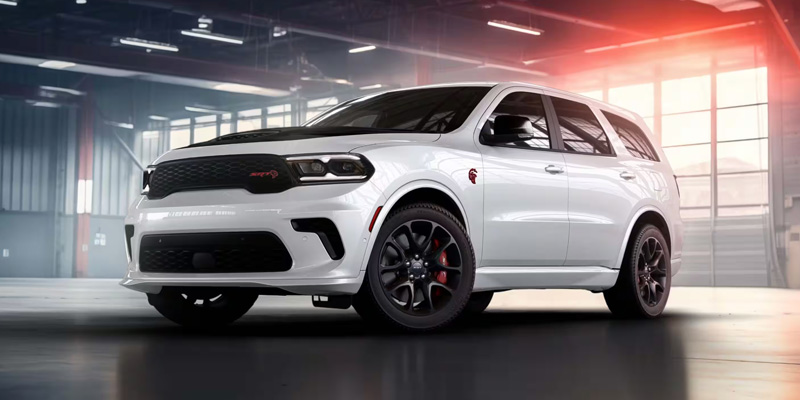
Dodge Durango vs three row SUV comparisons usually focus on horsepower and cargo measurements, though drivetrain layout, suspension tuning, towing calibration, and passenger packaging shape how these SUVs drive and haul weight. The Dodge Durango approaches the three row SUV category differently because its structure emphasizes rear wheel drive dynamics, stronger acceleration response, and higher towing support than most crossover based competitors. Buyers researching the Durango are usually trying to understand whether the SUV sacrifices passenger comfort and cargo organization in exchange for acceleration and towing strength. The answer starts with chassis structure, torque delivery, suspension loading, and interior packaging geometry.
Why the Dodge Durango Feels Different From Most Three Row SUVs
One of the first things drivers notice about the Dodge Durango is that it does not feel like most crossover based three row SUVs. That difference begins with drivetrain architecture.
Most three row crossovers use front wheel drive based layouts where the front axle handles the majority of steering, acceleration, and drivetrain weight. The Dodge Durango uses a rear wheel drive based platform structure. Rear wheel drive changes how weight transfers through the SUV during acceleration, towing, and cornering.
During acceleration, weight naturally shifts toward the rear axle. A rear wheel drive SUV uses that weight transfer to increase traction at the driven wheels. That creates stronger launch feel and more balanced acceleration response during highway merging or passing.
The Durango structure changes vehicle response in several ways:
• Steering feels lighter during acceleration because front wheels focus more heavily on directional control
• Rear axle traction increases during heavier throttle input
• Weight distribution feels more balanced during highway lane transitions
• Towing stability changes because trailer load transfers more evenly across the chassis
The Dodge Durango also uses a lower roofline and wider stance than several crossover based competitors. That lower center of gravity reduces larger body roll movement during cornering and highway ramps.
Drivers asking whether the Durango feels truck like are usually noticing suspension firmness, drivetrain balance, and rear wheel drive weight transfer. The SUV still uses unibody construction, though the drivetrain layout creates a different road feel than front wheel drive crossovers.
How Horsepower and Torque Shape SUV Acceleration
Does the Dodge Durango have more horsepower than most three row SUVs? In many configurations, yes. The more important measurement, however, is torque delivery.
Horsepower measures work completed over time. Torque measures rotational pulling force. Larger SUVs respond more noticeably to torque because heavier vehicle weight requires stronger rotational force to accelerate effectively.
The Dodge Durango R/T uses a V8 engine configuration that creates strong low and mid RPM torque delivery. Lower RPM torque changes how the SUV responds during passing, merging, and towing because acceleration force arrives earlier during throttle application.
This changes acceleration feel substantially:
• Highway passing requires less transmission downshifting
• SUV acceleration feels stronger during lower RPM operation
• Heavier passenger or cargo loads affect acceleration less aggressively
• Merging into faster traffic requires less throttle travel
The Durango GT V6 configuration approaches acceleration differently. The V6 setup balances smoother fuel usage with more moderate acceleration response during commuting situations.
Engine size also changes cooling system requirements. Higher output engines generate more thermal load during towing and acceleration. The Durango towing package configurations increase cooling support through radiator, transmission cooling, and airflow management upgrades.
Acceleration discussions surrounding SUVs usually focus only on horsepower numbers. Torque delivery timing shapes how acceleration feels far more during normal driving situations.
What Towing Ratings and Suspension Tuning Change in Three Row SUVs
How much can the Dodge Durango tow? That answer changes based on engine configuration, drivetrain setup, cooling systems, and suspension calibration.
Suspension calibration controls how the SUV reacts when trailer tongue weight compresses the rear suspension. Trailer tongue weight presses downward behind the rear axle, changing steering response, braking balance, and body movement.
The Dodge Durango towing setup changes trailer stability through:
• Rear suspension tuning that resists excessive rear squat
• Longer wheelbase stability during highway towing
• Cooling system support for engine and transmission temperatures
• Rear wheel drive traction loading during trailer acceleration
Trailer towing also changes braking physics. Heavier trailer loads increase stopping distance because more rotational mass pushes forward during braking. Suspension compression during braking changes front tire loading and steering feel.
Wheelbase length also impacts towing control. Longer wheelbase SUVs resist abrupt trailer sway movement more effectively because the trailer force applies farther behind the vehicle center of rotation.
This becomes noticeable during:
• highway crosswinds
• downhill braking
• trailer lane transitions
• uneven pavement movement
• emergency steering corrections
Three row SUV towing discussions usually stop at maximum trailer ratings without explaining how suspension tuning and drivetrain structure change towing response under load.
How Interior Dimensions and Cargo Layout Affect Passenger Space
How much passenger space does the Dodge Durango provide? Interior dimensions only explain part of the answer because seating geometry and cargo floor layout change usable space more than raw measurements alone.
Third row SUV packaging requires balancing passenger spacing, cargo floor depth, and roof height simultaneously. Some SUVs prioritize larger cargo floors while others focus more heavily on third row accessibility.
The Dodge Durango uses a lower roofline and more performance oriented cabin structure than taller crossover competitors. That changes seating posture and cargo floor positioning throughout the cabin.
The Durango interior layout changes passenger and cargo organization through:
• Lower cargo floor height behind the rear hatch
• Wider center cabin spacing during second row seating
• Third row packaging balanced closer toward occasional passenger usage
• More aggressive front seat bolstering during highway driving
Cargo floor geometry also affects luggage organization. Taller cargo floors reduce vertical loading depth while flatter floor structures support easier stacking and equipment positioning.
Passenger comfort also changes through wheelbase spacing. Longer wheelbase dimensions increase legroom distribution between seating rows, though roofline shape and seat cushion height still affect how spacious the cabin feels during longer drives.
Drivers comparing the Durango against larger crossover SUVs are usually evaluating how passenger flexibility balances against towing strength and acceleration response.
Which Three Row SUV Priorities Fit the Dodge Durango Best
The Dodge Durango fits buyers prioritizing stronger acceleration response, higher towing support, and rear wheel drive handling characteristics inside the three row SUV category.
The Durango R/T configuration emphasizes V8 torque delivery, stronger towing support, and more aggressive acceleration response. Buyers towing trailers, boats, or heavier cargo may prefer this setup because drivetrain calibration prioritizes pulling force and highway stability.
The Durango GT configuration balances passenger hauling and commuting more evenly through its V6 drivetrain setup and smoother fuel usage profile.
Different SUV priorities fit different buyers:
• Durango R/T prioritizes acceleration and towing response
• Durango GT balances passenger hauling with smoother commuting operation
• Taller crossover SUVs usually prioritize maximum passenger packaging
• Lower roofline SUV structures prioritize more controlled directional response
The Dodge Durango remains different from most three row SUVs because its engineering priorities center around rear wheel drive chassis balance, stronger torque delivery, and towing calibration instead of maximizing cabin height and cargo volume alone.
That distinction shapes how the SUV accelerates, corners, hauls weight, and distributes passenger space across the entire platform.
Connect with us


- August 2026
- July 2026
- June 2026
- May 2026
- April 2026
- May 2024
- March 2024
- February 2024
- December 2023
- November 2023
- October 2023
- September 2023
- August 2023
- July 2023
- June 2023
- May 2023
- April 2023
- March 2023
- February 2023
- January 2023
- December 2022
- November 2022
- October 2022
- September 2022
- August 2022
- July 2022
- June 2022
- May 2022
- April 2022
- March 2022
- February 2022
- January 2022