




Cutter Chrysler Dodge Jeep Ram Fiat Honolulu

Blog

Car Insurance 101: What Every Car Buyer Needs to Know

Key Takeaways:

  • Familiarize yourself with the different types of car insurance coverage available.
  • Understand the factors that influence your car insurance premiums.
  • Compare quotes from multiple insurance providers to find the best coverage at an affordable price.
  • Be aware of the importance of maintaining continuous coverage and understanding policy details.
  • Review your car insurance policy periodically to ensure it meets your evolving needs.

When buying a car, it's essential to understand the basics of car insurance to protect yourself and your investment. This article provides an overview of car insurance, covering the various types of coverage, factors affecting premiums, and important considerations for car buyers. By gaining knowledge about car insurance, you can navigate the process more effectively, make informed decisions, and secure appropriate coverage for your needs.

Explore our comprehensive range of vehicles and find the perfect car for your needs at Cutter CDJR Honolulu.

Understanding Coverage Types:

Understanding the different coverage types is essential in ensuring you have the right level of protection.

  • Liability coverage: This is the most basic and essential type of car insurance. It protects you financially if you cause an accident and are held responsible for injuries or damages to others.
  • Collision coverage: This covers the repairs or replacement of your vehicle in the event of a collision, regardless of who is at fault.
  • Comprehensive coverage: This protects against non-collision incidents such as theft, vandalism, natural disasters, and accidents involving animals. Knowing that you're covered for various unexpected events provides peace of mind.
  • Uninsured/underinsured motorist coverage: This provides coverage if you're involved in an accident with a driver with insufficient or no insurance coverage.

Factors Affecting Premiums

Several factors influence car insurance premiums, and being aware of them can help you make informed decisions.

  • Your Driving Record: Insurance companies assess your history, including accidents, tickets, and claims, to determine the level of risk you pose. Maintaining a clean driving record can lead to lower premiums.
  • Car Traits: The characteristics of your vehicle, such as the make, model, age, and safety features, can also impact your rates. Safety features like anti-lock brakes, airbags, and anti-theft systems may qualify you for discounts.
  • Location and Car Usage: Your location and vehicle usage are considered when determining premiums. Urban areas with higher accident and crime rates may result in higher premiums.
  • Credit Scores: Your credit score can also influence insurance rates, as studies have shown a correlation between credit history and insurance risk. Maintaining a good credit score is important to secure lower premiums.

Comparing Quotes

Comparing quotes from multiple insurance providers is crucial to finding the right coverage at an affordable price. Request quotes that reflect the coverage limits and deductibles you desire. By comparing quotes, you can identify any variations in premiums and coverage options among different providers. It's also essential to consider the reputation and financial stability of the insurance companies you're considering. Choose an insurer known for excellent customer service and prompt claims handling.

Maintaining Continuous Coverage

Maintaining continuous car insurance coverage is vital for legal compliance and financial protection. Even if you're not actively driving your vehicle, canceling your insurance policy can lead to higher rates when you decide to reinstate coverage, as insurance companies may view gaps in coverage as increased risk. By maintaining continuous coverage, you ensure that you're protected in the event of an accident or unforeseen circumstances.

Understanding Policy Details

Understanding the details of your car insurance policy is crucial. Carefully review the terms and conditions, coverage limits, deductibles, and exclusions. Understanding what is and isn't covered by your policy helps avoid surprises during the claims process. Additionally, familiarize yourself with the steps to file a claim, the necessary documentation, and the timeframe within which claims should be reported.

Reviewing and Updating Your Car Insurance Policy

Regularly reviewing and updating your car insurance policy is essential to ensure it aligns with your evolving needs. Life changes, such as marriage, relocation, or the number of drivers or vehicles, may require adjustments to your coverage. By staying proactive and updating your policy as needed, you can ensure that your car insurance aligns with your current situation and provides the coverage you need.

Car Insurance Deductibles and Discounts

When it comes to car insurance, there are a few additional factors to consider. One important aspect is the deductible. The deductible is the amount you pay out of pocket before your insurance coverage kicks in. Choosing a higher deductible can lower your premiums.

It's also worth exploring any additional benefits or discounts your insurance provider offers. Many insurance companies offer discounts for safe driving habits, completion of defensive driving courses, or installing safety features in your vehicle. These discounts can help reduce your premiums and save you money over time.

The Claims Process

Another aspect to keep in mind is the claims process. Familiarize yourself with the steps involved in filing a claim with your insurance provider. That includes reporting the accident promptly, providing accurate information, and submitting required documentation, such as police reports or photos of the damage. Understanding the claims process can help expedite the resolution and ensure a smoother experience during a stressful time.

Want to Learn More about Car Insurance? Contact the Experts!

Car insurance is a vital aspect of car ownership that protects you from financial risks associated with accidents, theft, and other unforeseen circumstances. By understanding the various factors that affect your premiums, comparing quotes, and choosing the right coverage for your needs, you can make informed decisions when it comes to purchasing car insurance. For a wide selection of vehicles and to find the perfect car for your needs, visit Cutter Chrysler Jeep Dodge Ram Honolulu and ensure you have the necessary car insurance coverage for peace of mind on the road.
Recommended Posts

Tips for Driving in Rain for Hawaii Wet Season Prep

Tips for Driving in Rain for Hawaii Wet Season Prep

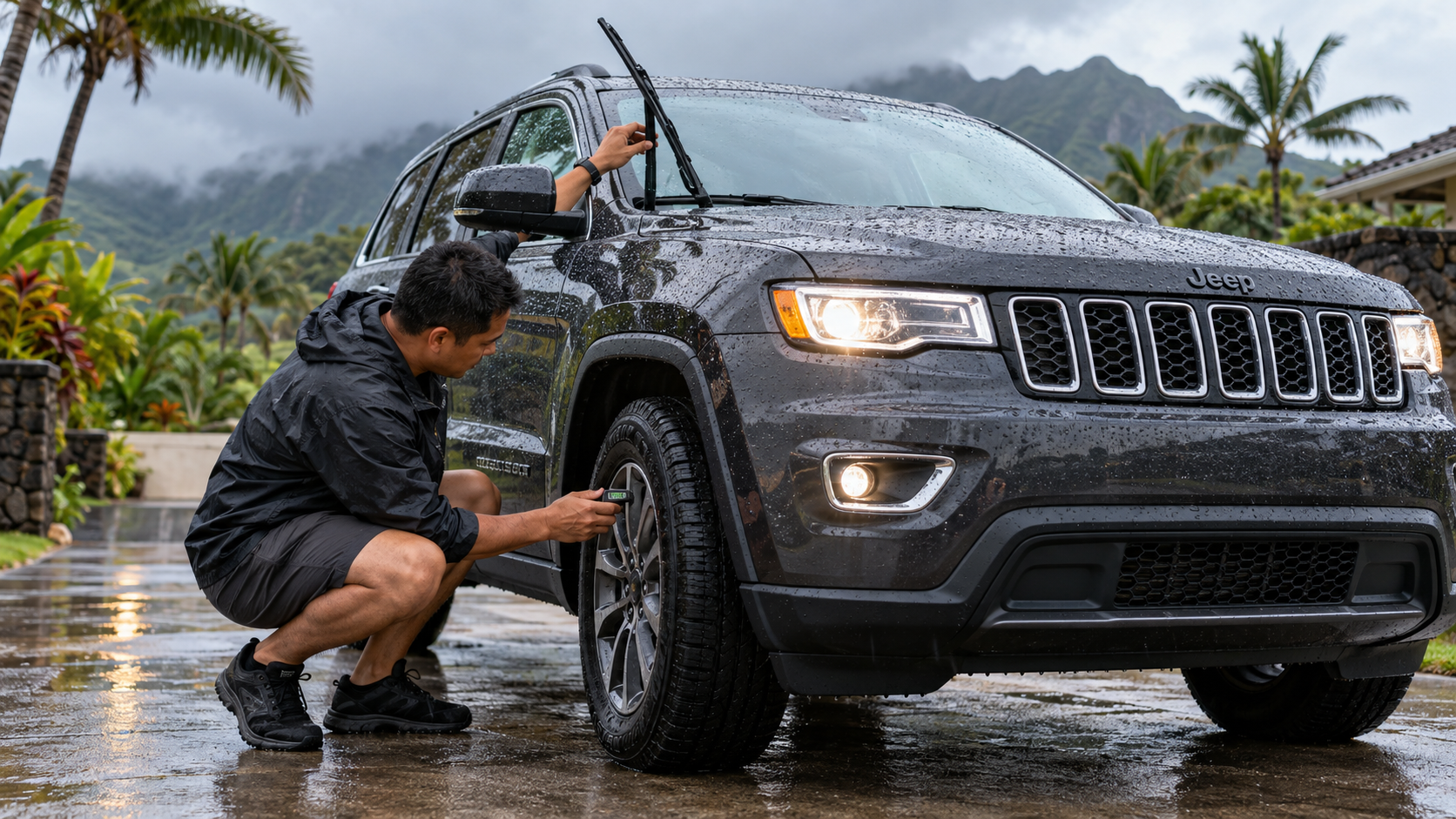
Tips for driving in rain start with checking the parts of your vehicle that control traction, visibility, and stopping. Hawaii's wetter months can bring sudden downpours, standing water, and lower visibility on familiar roads. Therefore, preparation should begin before the first heavy storm arrives. Tires, wipers, lights, brakes, and cabin clearing all deserve a close look. A short inspection now can reveal wear that becomes harder to manage once the pavement is wet. Start With Tire Tread and Pressure What should you inspect first before regular rainy weather? Start with tire tread, pressure, visible damage, and uneven wear. Tires are the only parts of the vehicle that touch the road. Therefore, their condition has a direct role in grip and water removal. Tread channels move water away from the tire's contact area. As tread wears down, those channels have less depth available for water. This can make it easier for the tire to ride on a layer of water. In addition, uneven wear may leave one section with less usable tread than another. Check the tread across several points on each tire. Look at the center, inner edge, and outer edge. Also inspect the sidewalls for cuts, bulges, cracking, or other visible damage. Before wet weather settles in, a tire check should cover several items. Measure tread depth instead of relying only on a quick visual check. Check cold tire pressure against the value listed by the vehicle manufacturer. Look for uneven wear, embedded objects, sidewall damage, or areas that need professional inspection. In addition, pressure matters because it changes the tire's shape against the pavement. Therefore, use the manufacturer listed pressure when the tires are cold. Do not use the maximum number molded into the tire sidewall as the target pressure. Inspect Wiper Blades and Windshield Visibility How can you tell whether your wipers are ready for heavy rain? Watch how they clear the glass, then inspect the rubber closely. A blade can move across the windshield and still leave too much water behind. Streaks, skipped sections, chatter, or smearing can signal worn rubber or poor blade contact. Furthermore, torn edges or hardened rubber can keep the blade from following the windshield correctly. Replacing weak blades before a storm is simpler than discovering the problem during a downpour. Furthermore, windshield preparation goes beyond the blades. Clean glass gives the wipers a better surface to clear. In addition, a full washer reservoir gives you a way to remove road spray, dirt, and residue between storms. Check these visibility items before the wetter part of the year. Run the wipers with washer fluid and watch for streaks, missed areas, chatter, or skipping. Inspect the blade rubber for tears, hard spots, bending, or separation from the frame. Clean the inside and outside of the windshield so glare, film, and moisture are easier to manage. Cabin airflow also matters when humid air fogs the glass. Therefore, test the front defogger and air conditioning before you need them. The windshield should clear quickly enough for you to keep a steady view of the road. Check Every Exterior Light Why do exterior lights matter before rain starts? They let you see ahead while also making your vehicle easier for surrounding traffic to notice. Rain can reduce contrast even during daylight, so weak or failed lights deserve attention before wet travel. Start with the headlights and taillights. Then check the brake lights, turn signals, and hazard flashers. If one side appears dimmer, inspect the bulb or lighting unit before the next storm. Additionally, a second person can make this check easier. Have someone stand outside while you press the brake pedal and operate each signal. If you are alone, use a wall or garage door reflection for a basic check, then confirm the lights directly. Moreover, clean lenses matter too. Dirt and haze can reduce the amount of usable light leaving the housing. Therefore, wipe the lenses clean and look for moisture inside the assemblies. Have the Brakes Checked Before Wet Roads Expose Problems What brake warning signs deserve attention before rainy weather? Noise, pulling, vibration, grinding, or unusual pedal feel should prompt an inspection. Wet pavement gives the tires less grip, so the braking hardware should be ready before traction drops. Furthermore, brake pads need enough material to create steady friction against the rotors. Rotors also need a usable surface without severe scoring, heavy rust, or damage. In addition, brake fluid should be at the correct level and free from known service concerns. In addition, pay attention to what the vehicle tells you during ordinary stops. A steering pull can point to uneven braking or another issue that deserves diagnosis. Vibration through the pedal or steering wheel can also signal a problem that should be checked. A brake inspection before the rainy season should focus on clear warning signs. Listen for grinding, scraping, squealing, or other new sounds during braking. Notice whether the vehicle pulls, vibrates, or needs unusual pedal travel to slow down. Ask for pad, rotor, and fluid checks if service history is unclear or any warning sign appears. After driving through deeper water, brake response can feel different for a short period. Therefore, use extra space and light pedal pressure until the brakes respond normally again. Never enter flood water simply to test whether a road is passable. Make Sure the Cabin Can Stay Clear and Dry What happens if the windshield keeps fogging during rain? Moisture inside the cabin can block your view even when the wipers are working correctly. Therefore, the heating, ventilation, air conditioning, and defogging controls need to respond quickly. Test the front defogger before a storm. Turn on the air conditioning and direct airflow toward the windshield. You should feel air reaching the glass across a broad area. Furthermore, check the cabin for obvious moisture entry. Damp carpet, wet floor mats, or recurring condensation may point to a leak that needs attention. Door and window seals should sit firmly against their mating surfaces. Keeping the cabin dry also reduces how much moisture collects on the glass. In addition, clean interior glass is easier to clear because oily film can hold moisture and increase glare. Use the Inspection to Prepare for Hawaii's Wet Season What should you confirm before the first stretch of heavy rain? Confirm that the vehicle can maintain grip, clear the windshield, signal clearly, stop predictably, and remove fog from the cabin. Moreover, start early enough to fix worn parts before a storm arrives. Therefore, do not wait for a rainy morning to discover weak wipers or low tread. A driveway check can catch many basic issues. In addition, a service visit can address concerns that need closer inspection. Hawaii rain can arrive quickly and make familiar roads feel very different. Standing water can also hide pavement edges, potholes, or debris. For this reason, preparation should support calm decisions once the road becomes wet. Your rainy season check does not need to be complicated. Inspect the tires, test the wipers, verify the lights, listen to the brakes, and confirm the defogger works. When each part is ready, the vehicle is easier to assess. Therefore, you can address weak points before the next storm arrives.

Dodge Charger Oahu Daily Driving Guide for Island Roads

Dodge Charger Oahu Daily Driving Guide for Island Roads

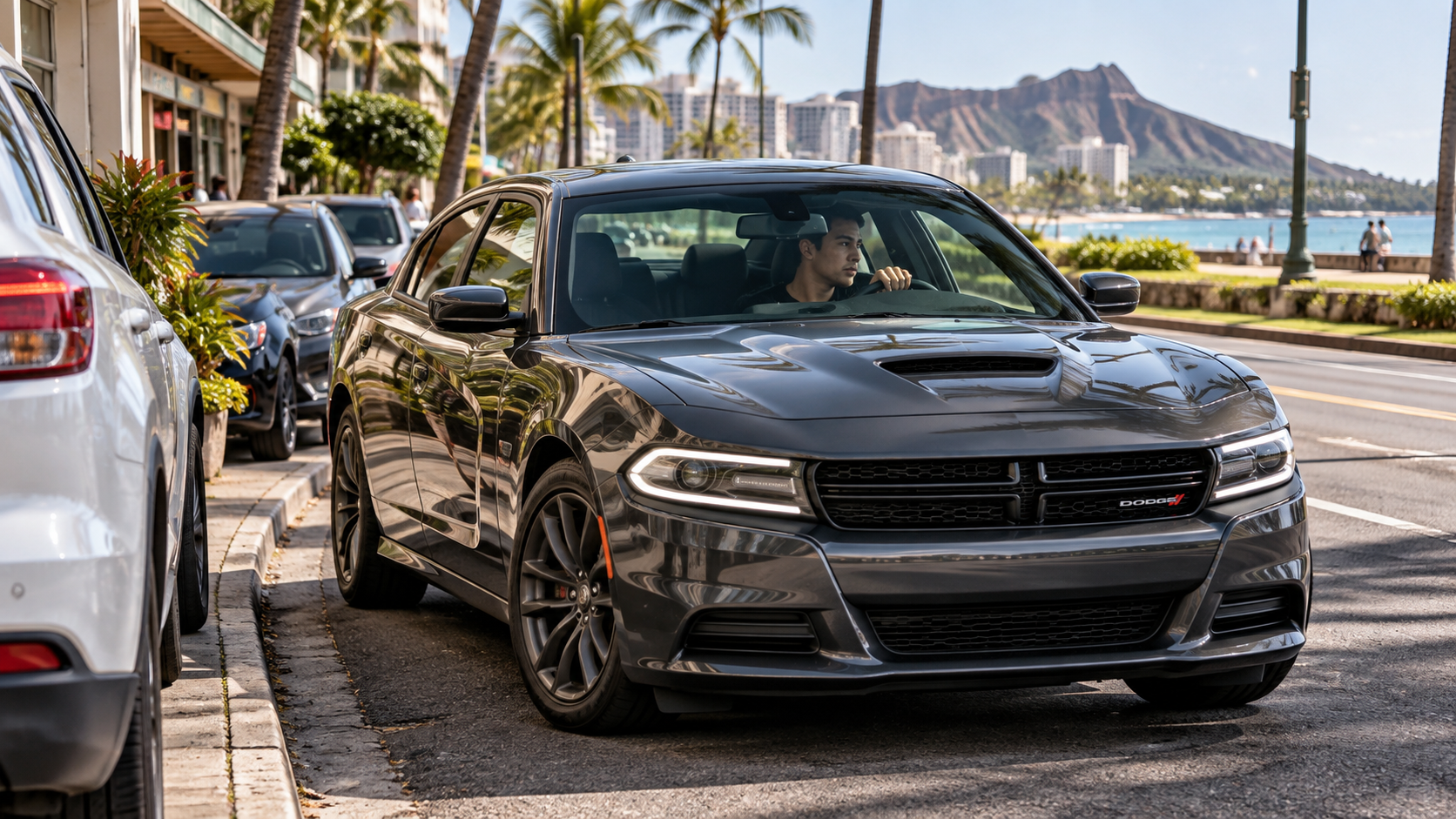
Dodge Charger Oahu driving means balancing strong power with traffic, parking, tighter streets, and longer stretches of open road. The car feels substantial from the moment you settle in. Therefore, smooth inputs matter more than dramatic ones during normal island travel. The Charger rewards careful throttle use, steady steering, and a clear sense of its size. That mix can work well on Oahu when you know what the car asks from you. How the Charger Feels in Honolulu Traffic Is a Dodge Charger manageable in Honolulu traffic? Yes, but the car feels large and eager even at lower speeds. Therefore, light throttle inputs make stop and go travel smoother. The car responds quickly when space opens, so small pedal movements can be enough. The steering also carries more weight than some smaller sedans. That can make the Charger feel planted while moving through steady traffic. However, the same weight asks for a little more attention during tight lane changes. Traffic pace can shift quickly around Honolulu. For this reason, the Charger works best when you leave room ahead and avoid abrupt inputs. Smooth braking also keeps the car settled when traffic compresses without warning. The car’s size becomes easier to manage once you learn its sightlines. In addition, the wide cabin gives you a strong sense of the road around you. Still, tighter lanes may take more focus until the dimensions feel familiar. What the Charger’s Size Means on Oahu Streets Does the Charger feel large on tighter streets? Yes, because its long body and wide stance take more space than a compact sedan. Therefore, lane placement becomes part of the daily routine. The long hood can make close turns feel different at first. You may need a wider visual reference when entering narrow side streets. In addition, the car asks for more care near curbs, walls, and tight driveways. Oahu roads can shift from broad arterials to narrower neighborhood routes quickly. For this reason, the Charger can feel calm on a wide road and more demanding one block later. The change comes from space, not from the car becoming harder to control. A steady pace makes those transitions easier. Moreover, the Charger responds well when you plan turns early and keep the steering smooth. The car feels less cumbersome once your lane position becomes consistent. Why Parking Takes More Attention Is the Dodge Charger difficult to park? It can take more care because the body is long and the hood extends far ahead. The rear corners also require attention in tighter spaces. Therefore, parking works best when you slow the process down. Use clear reference points, straighten the car early, and avoid rushing the final approach. In addition, available cameras and sensors can make tight spaces easier to judge. The most useful parking checks focus on the Charger’s full footprint before you finish the maneuver. Watch the front corners closely because the hood extends farther than it may appear from the driver’s seat. Check side clearance before turning into a narrow space so the wide body stays centered between nearby cars. Use available camera and sensor views as supporting references while still checking mirrors and surrounding traffic. Parallel parking can take more room than it would in a smaller sedan. However, the main issue is not steering response. The challenge is judging the car’s full footprint from the seat. Parking lots with narrow spaces can demand the same care. For this reason, choosing a spot with more side clearance can make entry and exit easier. The Charger feels much less demanding when the surrounding space gives you room to work. How the Ride Changes Across Different Roads What does the Charger feel like over rough pavement? The ride can feel firm when the road surface becomes broken or uneven. Therefore, wheel size and tire sidewall can change how much texture reaches the cabin. A setup with larger wheels may feel sharper over cracks and patched sections. By contrast, more tire sidewall can soften those impacts. The suspension also plays a role in how quickly the body settles afterward. On smoother pavement, the Charger feels composed and steady. In addition, its weight gives the car a planted feel through longer bends. That can make open stretches feel relaxed when traffic clears. Rougher streets bring a different character. Still, the car does not lose its sense of control. You simply notice more of the road through the seat and steering wheel. Where Charger Power Makes the Most Sense Where does the Charger’s power feel most useful in ordinary driving? Highway merging and passing are two clear situations. The car can build speed quickly without requiring a long run up. Therefore, the power works best as a reserve instead of a constant demand. A smooth press of the throttle can create enough response for a merge or lane change. There is rarely a need for abrupt pedal movement. On longer Oahu routes, that response can make highway travel feel easier. In addition, the car feels stable once it settles into a steady pace. That combination suits drivers who want strong response without giving up everyday comfort. Several everyday situations show where the Charger’s power is easiest to use with restraint. A short highway entrance can call for quick, measured acceleration before matching the speed of surrounding traffic. Passing a slower car on a multi lane road can require brief throttle input without keeping the engine under heavy demand. Returning to speed after congestion clears can feel smooth when the driver adds power gradually instead of using abrupt pedal movement. The key is restraint. Moreover, measured throttle use keeps the car calm in traffic while preserving quick response when space opens. What to Consider Before Using a Charger as an Oahu Daily Driver Is a Dodge Charger a sensible daily car on Oahu? It can be, as long as you are comfortable with its size and firm road feel. Parking, lane placement, and tight streets deserve as much attention as power. Before choosing one, think about your normal routes. Consider your time in tight parking garages, narrow neighborhood roads, or congested city streets. In addition, consider how much time you spend on wider highways. A useful test drive should cover the places where the Charger will spend most of its time. Drive through slower traffic so you can judge throttle response, steering weight, and forward sightlines at lower speeds. Park in a typical space so you can judge the hood length, side clearance, mirrors, and available camera views. Try a smoother highway stretch so you can feel how the car settles at speed and responds during a normal merge. The Charger makes the most sense when its strengths match those routes. Strong response supports merging and passing, while the broad stance feels settled at speed. However, the same size asks for extra care when space gets tight. For this reason, a test drive should include more than one type of road. That gives you a clearer sense of how the car fits your routine. Dodge Charger Oahu ownership works best when you judge the whole drive. Power is only one part of the decision. Size, visibility, ride feel, and parking matter every day. When those traits fit your routine, the Charger can feel rewarding across a wide range of island roads.

Used Cars Honolulu Hawaii Pricing Factors Explained

Used Cars Honolulu Hawaii Pricing Factors Explained

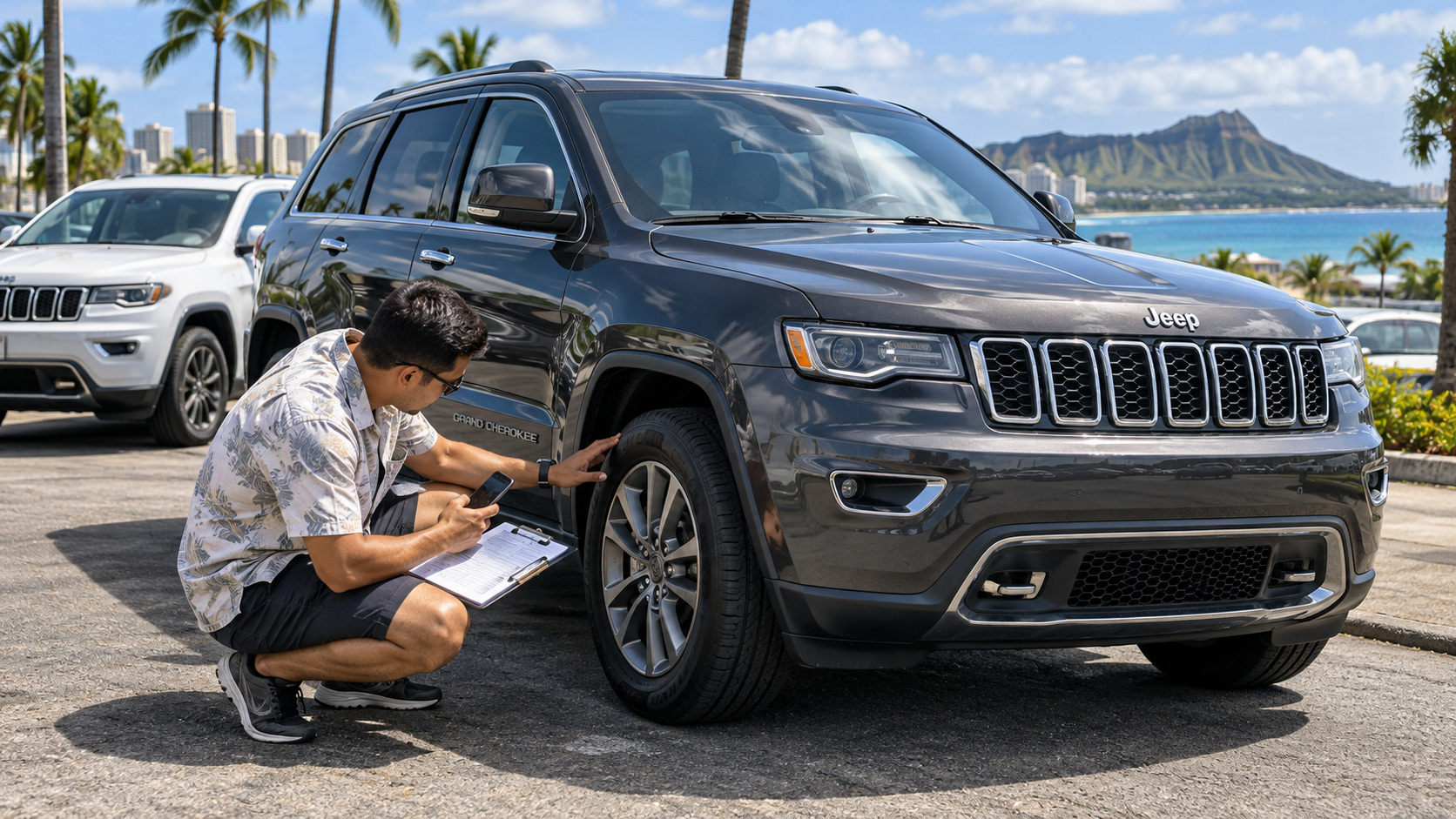
Used cars Honolulu Hawaii shoppers compare can look nearly identical at first. Yet their prices may differ for several concrete reasons. For this reason, price starts with the individual vehicle, then changes with mileage, condition, history, equipment, and the local market. Therefore, a useful comparison needs more than the model year and asking price. You need to look at the whole vehicle before deciding whether the number makes sense. Why Two Similar Used Vehicles Can Have Different Prices Why can two vehicles from the same year carry different prices? The answer starts with the details tied to each specific vehicle. A used SUV may share a model year with another example. Yet the two may differ in mileage, trim, service records, or prior damage. Therefore, treat the sticker price as one part of the comparison. A lower listed price may reflect more miles, fewer features, visible wear, or a different history. By contrast, a higher price may reflect lower mileage, stronger service records, added equipment, or recent reconditioning. Used cars Honolulu Hawaii shoppers review deserve a complete vehicle comparison. In addition, the closest match is one with a similar year, trim, mileage range, and equipment list. After that, history and condition provide more context. That process also makes price differences easier to explain. Instead of asking why one vehicle costs more, ask what separates the two examples. The answer may come from several small differences working together. How Age, Mileage, and Condition Shape the Starting Value Does lower mileage always mean the stronger value? No. Mileage matters, but it needs to be read beside age, care, and physical condition. Age creates the first reference point. A newer vehicle usually sits beside other vehicles from a similar model year. However, mileage then adds another layer. A five year old vehicle with 35,000 miles presents a different record than one with 85,000 miles. Condition adds more detail. Paint damage, worn tires, interior wear, brake life, suspension wear, or overdue service can all change the comparison. Therefore, two vehicles with similar mileage can still deserve different prices. Used cars Honolulu Hawaii shoppers examine should also show signs of care. Service records can show whether the owner completed routine maintenance on time. In addition, a pre purchase inspection can reveal issues that are not obvious during a short walkaround. Mileage is useful because it gives a quick measure of use. Still, it should never carry the full decision by itself. A lower mileage vehicle with poor upkeep may be less appealing than a higher mileage example with strong records. Why Vehicle History and Maintenance Records Change the Number How much should vehicle history matter when comparing prices? It matters because history can reveal events that are not visible from the outside. A history report may show prior accidents, title concerns, ownership changes, or odometer records. Therefore, it gives shoppers another layer of context before comparing two listings. The type of event also matters. Minor cosmetic damage is different from a major collision or title issue. Furthermore, maintenance records add another view. Oil changes, brake service, tire replacement, fluid service, and larger repairs can show how the owner cared for the vehicle. In addition, complete records can make future maintenance planning easier. Used cars Honolulu Hawaii shoppers consider need review for both history and current state. A clean report does not replace an inspection. Likewise, a prior repair does not tell the entire story without more detail. The most useful question is simple. What does the history tell you about the life of this specific vehicle? That answer gives the listed price more context. How Trim, Equipment, and Configuration Change a Comparison Why does one version of the same model cost more? Trim level and installed equipment can change what the vehicle includes. Two vehicles may share the same model name and year but still have very different equipment. One may include four wheel drive, upgraded seating, driver assistance features, a larger screen, or a stronger audio package. Therefore, comparing the prices without checking the build can create a false mismatch. Moreover, factory options also matter because they change the original configuration. Some equipment remains useful for years after the first sale. In addition, certain features may be harder to find in local inventory. Used cars Honolulu Hawaii listings deserve the closest possible trim and equipment match. Start with the exact model and year. Then compare drivetrain, trim, seating, technology, safety equipment, and major factory packages. A fair comparison does not require identical vehicles. However, it should account for important equipment differences before judging the price gap. Why Honolulu Market Pricing Needs Local Comparisons Should you judge Honolulu pricing only against national averages? No. Local pricing matters because nearby transaction data and available inventory shape vehicle values. Still, national tools are useful for a broad reference point. However, local data can make those tools more useful. Local demand, available supply, trim availability, and recent transactions all shape the range shoppers may see. Therefore, check used cars in Honolulu against nearby vehicles with similar details. Look for the same model year, trim, mileage range, and equipment. Then compare history and condition where that information is available. In addition, pay attention to how many close matches you can find. A common configuration gives you more examples for comparison. A harder to find version may have fewer direct matches. Local comparison does not mean accepting any listed price. Instead, it gives you a more relevant group of vehicles to review before making a judgment. How to Decide Whether a Used Vehicle Price Makes Sense What should you compare before deciding whether a listed price is fair? Start with the complete vehicle, not the price alone. First, match the year, model, and trim as closely as possible. Next, compare mileage, equipment, history, and visible condition. Then check nearby listings and recognized valuation tools for added context. Used cars Honolulu Hawaii shoppers evaluate become easier to compare with the same checklist each time. This keeps one detail from taking over the decision. It also makes it easier to spot why one vehicle may justify a different price. Therefore, focus on the full package. A fair price should make sense beside similar local examples. When the details line up, the number becomes easier to judge. As a result, that approach gives you a clearer way to shop. You can compare each vehicle on its own record, then decide which option fits your needs and budget.