




Cutter Chrysler Dodge Jeep Ram Fiat Honolulu

Blog

9 Benefits of Tire Service

Key Takeaways:

  • Proper tire service is essential for safe driving.
  • Regular tire maintenance extends tire lifespan.
  • Well-maintained tires improve fuel efficiency.
  • Balanced tires enhance driving comfort.
  • Tire service helps identify and address potential issues.
  • Properly inflated tires contribute to better handling.
  • Expert technicians ensure correct tire installation.
  • Tire rotations promote even tread wear.
  • Quality tire service provides a smoother and safer ride.

As a responsible car owner, you understand that your vehicle's performance and safety are heavily reliant on the condition of your tires. Tires are the only point of contact between your car and the road, making their maintenance and service a top priority. In this article, we'll delve into the many benefits of professional tire service. Whether it's routine maintenance, inspections, or addressing specific tire issues, investing in tire service is a proactive step towards ensuring your safety, improving your vehicle's performance, and maximizing the lifespan of your tires.

Ready to experience the benefits of expert tire service? Contact Cutter CDJR Honolulu today and ensure your tires are in top-notch condition for a safer and more efficient ride.

Ensuring Safe Driving

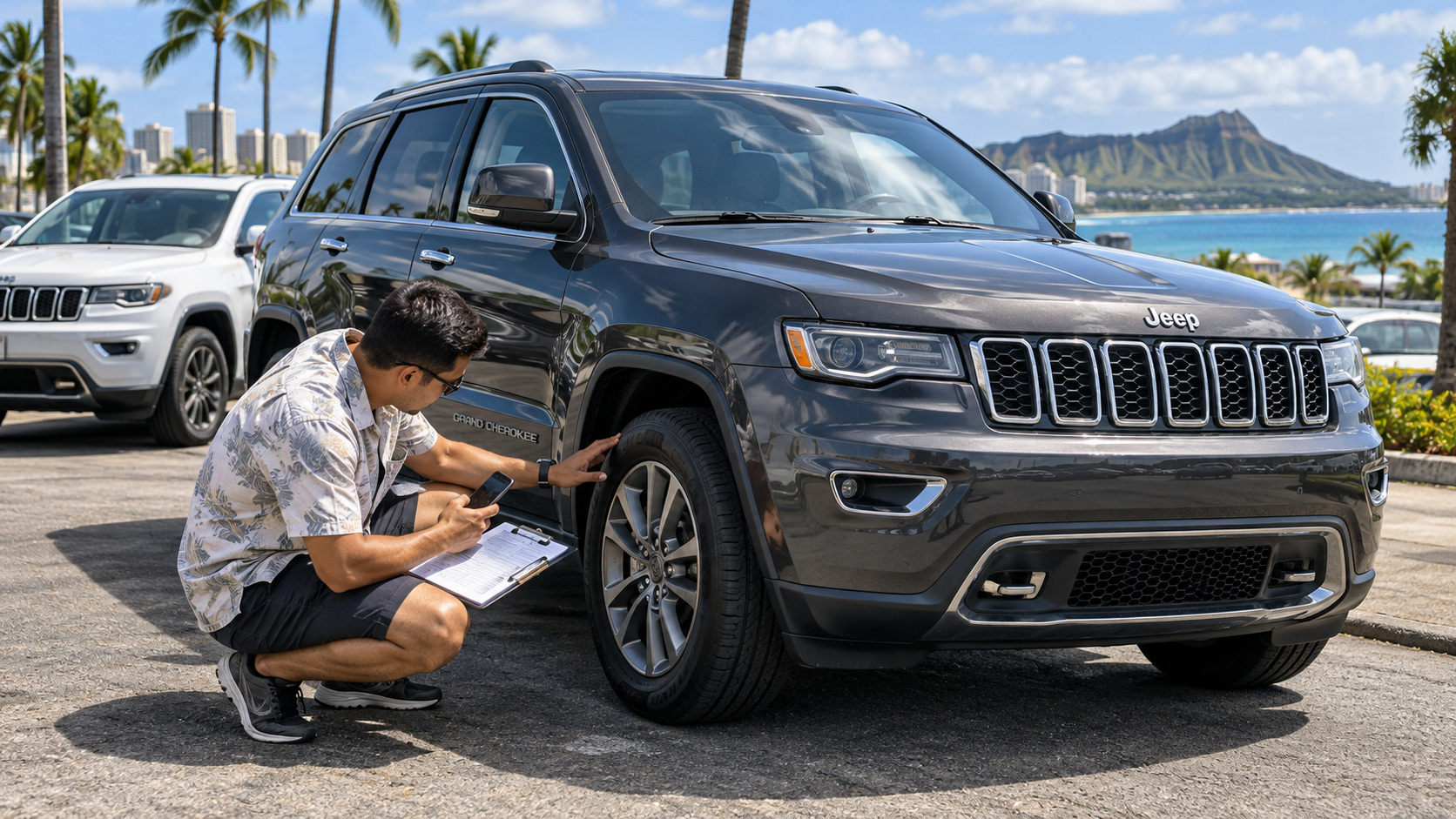
Your safety on the road is paramount, and well-maintained tires are a critical component of safe driving. Tire service professionals ensure that your tires have adequate tread depth and are damage-free. They can also identify and address issues like punctures, bulges, or irregular wear that could compromise your safety. Regular tire inspections and maintenance checks help prevent blowouts and accidents, providing you with peace of mind as you travel.

Extending Tire Lifespan

Tires are a significant investment for any vehicle owner, so maximizing their lifespan is essential. Professional tire service plays a crucial role in achieving this goal. Technicians can identify and address factors contributing to premature tire wear, such as improper alignment or unbalanced tires. Regular tire rotations ensure even wear across all four tires, extending longevity. Ultimately, investing in tire service helps you get the most value out of your tires and reduces the frequency of replacements.

Improving Fuel Efficiency

If you want to improve your vehicle's fuel efficiency, take notice of the importance of proper tire service. Underinflated or poorly maintained tires can lead to increased rolling resistance, which, in turn, reduces fuel efficiency. You can significantly improve your gas mileage by ensuring your tires are correctly inflated and well-maintained. That saves you money at the pump and reduces your carbon footprint by minimizing fuel consumption.

Enhancing Driving Comfort

A smooth and comfortable ride is something every car owner desires. Well-maintained tires play a significant role in achieving driving comfort. Tire service includes procedures like tire balancing, which ensures that each tire's weight is distributed evenly. That results in a smoother and more comfortable ride by reducing vibrations and minimizing steering wheel wobble. Whether you're commuting to work or embarking on a long road trip, a well-balanced set of tires enhances your overall driving experience.

Identifying and Addressing Potential Issues

Even if you're vigilant about tire maintenance, issues can still arise. Professional tire service is essential for identifying and addressing these potential problems. Technicians use specialized equipment and expertise to detect misalignment, tread wear patterns or hidden damage. By addressing these concerns early, you can avoid more extensive damage and costly repairs down the road, ultimately saving you time and money.

Ensuring Proper Inflation

Proper tire inflation is critical for safe and efficient driving. Overinflated or underinflated tires can affect your vehicle's handling, braking, and fuel efficiency. Tire service professionals ensure that your tires are inflated to the correct pressure, as the manufacturer specifies. That helps maintain optimal tire performance and extends their lifespan. Additionally, correctly inflated tires contribute to better traction, especially in adverse weather conditions, enhancing your vehicle's overall handling and safety.

Expert Tire Installation

Professional tire installation is essential whether you're purchasing new tires or replacing existing ones. Expert technicians have the knowledge and equipment to correctly mount and balance your tires. Proper installation ensures that your tires wear evenly and perform as intended, contributing to a safer and more efficient ride. Attempting to install tires yourself or using inexperienced service providers can result in imbalanced tires, uneven wear, and decreased performance.

Promoting Even Tread Wear

Even tread wear is crucial for maintaining tire performance and safety. Uneven wear can lead to reduced traction, handling issues, and an increased risk of blowouts. Tire rotations are a crucial aspect of tire service that promotes even tread wear. During rotations, technicians move tires to different positions on the vehicle to ensure that each tire wears uniformly. That extends the life of your tires and enhances your car's performance and safety.

A Smoother and Safer Ride

A well-maintained set of tires contributes to a smoother and safer ride. Properly balanced and aligned tires reduce vibrations and improve overall handling, ensuring a comfortable driving experience. Additionally, tires in good condition provide better traction and responsiveness, enhancing your vehicle's ability to navigate various road conditions. Whether driving in rain, snow, or on dry pavement, well-maintained tires are vital in keeping you and your passengers safe.

Environmental Friendliness

Taking care of your tires isn't just beneficial for your vehicle; it's also a step towards environmental responsibility. Well-maintained tires with proper inflation require less energy to roll, which reduces fuel consumption and, in turn, lowers carbon emissions. Additionally, when tires are regularly serviced and properly aligned, they wear more evenly, meaning you'll replace them less frequently, reducing the number of discarded tires in landfills. This eco-friendly approach to tire maintenance benefits the environment and aligns with the growing awareness of sustainable practices among consumers.

Long-Term Cost Savings

While it's clear that tire service offers numerous immediate benefits, it's equally important to recognize the long-term cost savings it provides. Ensuring your tires are well-maintained makes you less likely to encounter unexpected and costly repairs. Furthermore, maximizing the lifespan of your tires means you won't need to replace them as often. This results in significant savings over the life of your vehicle. Additionally, improved fuel efficiency reduces your ongoing operating costs, saving you money every time you fill up at the pump. Ultimately, the financial advantages of regular tire service make it a wise investment for any car owner, contributing to your overall financial well-being.

Schedule Your Tire Service Today!

Professional tire service benefits extend beyond just keeping your tires in good condition. It encompasses safety, extended tire lifespan, environmental responsibility, enhanced fuel efficiency, driving comfort, early issue detection, proper inflation, expert installation, tread wear, and a smoother, safer ride. Furthermore, it translates into long-term cost savings, reducing your overall expenses associated with vehicle ownership.

Cutter CDJR Honolulu is your trusted partner for all your tire service needs. Our experienced technicians are dedicated to ensuring that your tires perform optimally, contributing to your vehicle's safety, efficiency, and longevity. Contact us today to schedule your tire service appointment and unlock the full range of benefits that well-maintained tires can offer.
Recommended Posts

jeep grand wagoneer honolulu

Jeep Grand Wagoneer Honolulu for Family Space and Comfort

Jeep Grand Wagoneer Honolulu families may consider when three rows must carry people and gear on the same trip. The cabin combines flexible seating, generous row space, and rear storage in one full size SUV. However, family fit comes from more than the number of seats. Second row layout, third row access, cargo room, and passenger controls all shape the day. Therefore, a useful review starts with how your family moves through the cabin. Grand Wagoneer Space for Honolulu Families What makes Jeep Grand Wagoneer Honolulu worth considering for a larger family? It gives families three rows with seating for up to eight people. However, the strongest cabin advantage is how that space is divided among passengers and gear. Second row room gives adults and older children space to sit without crowding the front seats. In addition, generous legroom can make child seat installation easier to manage. Families should still test their own seats before choosing a configuration. Different child seats use different widths and attachment points. more The third row also deserves a real test before choosing any three row SUV. Sit there with the second row placed where regular passengers need it. Therefore, you can check knee room, foot room, head clearance, and access in one visit. Jeep Grand Wagoneer Honolulu shoppers should also consider who rides where most days. A family with small children may prioritize easy access to row three. By contrast, a family carrying more adults may place greater weight on second and third row space. Seven or Eight Passenger Seating Should your family choose captain chairs or the available second row bench? Captain chairs create a center path, while the bench adds another seating position. Therefore, the choice changes both passenger count and movement through the cabin. Captain chairs can make row three access easier because passengers can move between the second row seats. In addition, children may reach the rear row without folding a seat each time. That path can also help when one second row position holds a child seat. The available bench raises total seating to eight. Therefore, it may suit larger households or families who carry extra passengers regularly. The tradeoff is a different path toward the third row. Before choosing, test the seating arrangement with your normal passenger mix: Place child seats in the positions you expect to use and check access to the third row. Have adult passengers sit in rows two and three so everyone can judge knee room and entry space. Fold and slide the seats yourself so you know how the layout works during school runs or weekend trips. Jeep Grand Wagoneer Honolulu families may find that seating arrangement matters more than the maximum passenger number. For this reason, compare both layouts before choosing a trim. Cargo Room With Three Rows in Use How much does cargo space matter with all three rows occupied? It is the storage left behind row three without removing passenger seating. Therefore, that rear area deserves attention before maximum cargo figures. Beach bags, groceries, sports equipment, strollers, and luggage can fill rear space quickly. In addition, families may carry several of those items on one outing. Maximum cargo volume cannot answer that question when the seats must stay raised. Jeep Grand Wagoneer Honolulu shoppers should open the rear hatch and study the usable floor area. Check width between the side panels, floor depth, and liftgate clearance. Moreover, bring a stroller or large bag if rear storage is a major concern. A few checks can make the comparison more useful: Load the largest item you carry regularly and see what room remains beside it. Keep row three raised while testing bags so the cabin matches a full passenger trip. Check how easily smaller items can be reached without unloading everything around them. The standard Grand Wagoneer can handle many family trips with all rows available. However, families carrying more gear may want to compare the longer L body. That extra rear length can create more storage behind the passenger cabin. Rear Passenger Technology for Family Travel Do rear entertainment screens make sense for island family travel? They can give rear passengers built in viewing without relying only on handheld devices. The available dual 10.1 inch screens include Amazon Fire TV Built In. That setup can be useful during longer drives across Oahu. In addition, separate screens let rear passengers choose different content. Parents should still review connectivity needs and account access before relying on streaming during a trip. Jeep Grand Wagoneer Honolulu families can also review second row climate and seat controls on qualifying models. Separate controls give rear passengers more direct access to cabin settings. Therefore, adults and older children can make adjustments without asking the front row each time. Technology should still match the family routine. Some households may prefer simple controls and personal devices. Others may value integrated screens and separate rear controls for longer drives. Before selecting a trim, sit in the second row and use the controls yourself. Moreover, check screen placement, menus, charging access, and climate controls. Those details show whether the cabin technology fits how your passengers travel. Grand Wagoneer or Grand Wagoneer L When should a family consider Grand Wagoneer L? The longer body makes the strongest case when three rows stay occupied and cargo needs remain high. Therefore, the decision centers on rear storage more than passenger count. Both body lengths keep the broad three row format. However, the L gives families more room behind the cabin for luggage and larger gear. That can matter for airport runs, beach days, sports weekends, or extended family outings. Jeep Grand Wagoneer Honolulu shoppers should also think about parking space and home garage length. More cargo room comes with more exterior length. Therefore, measure the places where the SUV will spend the most time. A family that rarely fills the rear cargo area may prefer the standard body. By contrast, families carrying gear behind an occupied third row may favor the L. The useful choice comes from matching cabin space with the trips you already make. Cutter Chrysler Dodge Jeep Ram FIAT Honolulu can place available Grand Wagoneer models side by side for a closer look. Bring the passengers and gear that shape your normal week. Then test seating access, rear storage, controls, and body length before choosing the version that fits your family.

how to remove car scratches

How to Remove Car Scratches and Know When to Get Help

How to remove car scratches safely starts with knowing how deeply the mark reaches into the finish. A faint scuff needs a different repair from exposed primer or metal. Therefore, begin with inspection before reaching for compound, polish, or touch up paint. The goal is to match the repair method to the damaged paint layer. That approach can reduce unnecessary abrasion and keep a small mark from becoming a larger repair. Identify How Deep the Scratch Goes Automotive paint has several layers that protect the body panel and create its finished color. The clear coat sits on top and protects the color layer below it. Beneath the color layer sits primer, which helps paint bond to the panel. Therefore, scratch depth tells you which repair methods can work. How can you tell how deep a scratch is? Start with clean paint, bright light, and a gentle fingernail check. A mark that does not catch your nail may stay within the clear coat. However, a groove that catches your nail may reach deeper into the finish. more In addition, color inside the scratch provides clues. A mark showing a different color may have passed through the upper paint layer. Primer can appear gray, while exposed metal may look bright or dark. Therefore, polishing should stop when missing paint becomes visible. Moreover, inspect the entire mark before choosing a product. Some scratches change depth from one end to the other. In addition, dirt inside the groove can make damage look worse than it is. Clean inspection gives you a clearer starting point. Separate Surface Transfer From Paint Damage A scuff can look severe even when another material sits on top of the clear coat. Paint transfer can happen when another painted object rubs against the body panel. Rubber, plastic, and road debris can also leave surface marks. Therefore, cleaning should come before abrasive correction. Is the mark a scratch or transferred material? Surface transfer sits on the finish, while a true scratch cuts into it. Wash the area with automotive soap and water first. Then dry it with a clean microfiber towel and inspect the mark again. If some color disappears during washing, the remaining mark may be much lighter than expected. However, avoid aggressive household cleaners because they can damage wax, sealant, or paint. A dedicated automotive cleaner gives you more control. After cleaning, use your fingertip and nail to inspect the remaining line. A smooth surface with visible residue may need gentle removal instead of paint repair. By contrast, a groove you can feel needs a depth based repair plan. Before applying any abrasive product, confirm three things: The area is clean and free of grit that could create new scratches during rubbing. The remaining mark stays within the clear coat and does not show primer or bare metal. The product label matches painted automotive surfaces and the repair method you plan to use. These checks can keep a surface scuff from turning into unnecessary paint correction. Can You Buff Out Minor Car Scratches at Home? Can you buff out minor car scratches at home? A buffable scratch is shallow damage that remains within the clear coat. Mild compound or polish uses fine abrasives to smooth the edges around that mark. Therefore, reflected light becomes less likely to highlight the groove. Scratch remover does not replace missing paint. Instead, it removes a very small amount of surrounding clear coat. That process levels the surface enough to reduce the mark's visibility. For this reason, more pressure is not always better. Work on a cool, clean panel away from direct sun. Apply a small amount of product with a clean applicator. Then use light pressure and short passes according to the product instructions. In addition, inspect the area between passes instead of polishing continuously. Stop once the mark has faded as much as the shallow correction allows. Continuing after that point removes more clear coat without fixing deeper paint loss. Therefore, a visible groove can remain even after the surrounding surface looks smoother. DIY car scratch repair works best when the mark is narrow, shallow, and confined to the clear coat. Larger areas or uncertain depth deserve more caution. Deeper Scratches Need Paint Restoration What if the scratch catches a fingernail or shows another color underneath? Those signs can point to damage below the clear coat. Once color coat or primer is missing, polishing cannot rebuild the lost material. Therefore, stronger compound is not the answer. Therefore, a small isolated mark may accept exact color matched touch up paint. The repair needs the correct paint code and careful preparation. In addition, the damaged spot must be clean before new material goes onto it. Touch up work aims to replace missing color and protect the exposed area. However, it may not create the same smooth finish as a larger refinishing repair. The result can still reduce visibility and protect a small chip or narrow scratch. Bare metal needs prompt attention because the protective paint layers no longer cover the panel. Moisture can reach the exposed surface directly. Therefore, delaying repair can allow corrosion to start around the damaged area. Avoid sanding deep scratches unless you have the tools and skill for controlled paint correction. Sanding removes coating material quickly. A mistake can widen the damaged area or create a dull patch around the original scratch. Know When Home Repair Should Stop When should DIY car scratch repair stop? Stop when the damage reaches primer, exposes metal, covers a large area, or has uncertain depth. Those signs call for a repair method beyond simple polishing. Professional repair may also make sense when the scratch crosses several body contours. Curves and edges can have less paint thickness than broad flat areas. Therefore, aggressive correction near an edge can remove clear coat faster than expected. Before deciding, look at the size, depth, location, and color loss. A short clear coat mark may be manageable at home. By contrast, a long groove through several layers needs paint restoration. If you are unsure, take clear photos and have the damage inspected before sanding or using strong compound. Cutter Chrysler Dodge Jeep Ram FIAT Honolulu can review visible paint damage and discuss an appropriate repair path. In addition, the team can explain whether the mark needs polishing, touch up work, or a deeper repair. The safest home approach is simple. Clean first, identify the damaged layer, and use the mildest method that matches the mark. If the scratch reaches deeper paint layers, stop before removing more material and get repair guidance.

can you trade in a leased vehicle

Can You Trade In a Leased Vehicle Before Lease End

Can you trade in a leased vehicle before the contract ends? Yes, but the lease payoff must be reviewed before the appraisal can show the financial outcome. A leased vehicle still belongs to the leasing company during the contract term. Therefore, the dealership must account for that obligation before any trade value can move into another transaction. The process becomes clearer once you separate the payoff, appraisal, and remaining lease terms. Trading Before the Lease Ends Can you trade in a leased vehicle before lease end? Yes, if the leasing company permits the transaction and the lease obligation can be satisfied. The dealership first needs an exact payoff from the leasing company. Therefore, the trade process begins with the contract, not the vehicle appraisal alone. The payoff tells the dealership what amount must be sent to close the lease. In addition, that figure may reflect remaining payments, fees, or other contract amounts. The leasing company may also use a dealer payoff that differs from a customer buyout quote. more A trade in leased car transaction also requires an appraisal. The appraisal gives the dealership a current value for the vehicle. Therefore, the payoff and appraisal must be reviewed together before anyone can see the financial result. Timing also matters because a lease near maturity may have fewer remaining obligations. An earlier trade can carry a higher payoff. For this reason, ask for a current payoff instead of relying on an older statement. Payoff and Residual Value Are Different Is the residual value the same as the current payoff? No. Residual value is the contract amount tied to the vehicle at the scheduled lease end. The current payoff is the amount needed to settle the lease now. That distinction matters when you review lease trade in value. A residual figure by itself does not show what the dealership must send today. Therefore, the current payoff should be used beside the appraisal. The vehicle appraisal serves a different purpose. It reflects what the dealership is willing to offer for the vehicle now. In addition, mileage, physical condition, equipment, service history, and current market demand can shape that offer. The three numbers should stay separate: Residual value is the contract amount connected with the scheduled lease end and possible purchase terms. Current payoff is the amount required to satisfy the lease at the time of the proposed trade. Appraisal value is the dealership offer for the vehicle after its current condition and market position are reviewed. Once those figures are clear, the lease trade in value becomes easier to follow. Therefore, avoid using the residual value as a substitute for the current payoff. What Happens When the Lease Has Equity What happens if the leased car has equity? Positive equity exists when the appraisal is higher than the current payoff. The difference may be available within the next transaction if the leasing company permits that path. Consider an appraisal of $30,000 against a payoff of $28,000. The difference is $2,000. That amount may be applied within the next purchase or lease structure. However, the exact handling must match the lessor rules and transaction paperwork. The opposite result creates a shortfall. If the payoff is $30,000 and the appraisal is $28,000, the difference is $2,000. That amount still needs to be resolved before the old lease obligation is fully closed. A shortfall may be paid separately or included within another financing structure when permitted. Therefore, the final paperwork should show where that amount goes. Review the figures before signing so the old lease balance does not become confusing later. A lease trade in value close to the payoff creates a third outcome. In that case, the dealership offer may settle the lease with little remaining difference. Therefore, the appraisal and payoff relationship matters more than either number by itself. Timing and Leasing Company Rules Matter Can any dealership take a leased vehicle as a trade? Not always. The leasing company owns the vehicle and controls which transaction paths it accepts. Some lessors restrict third party transactions or require specific payoff procedures. Therefore, the dealership should verify the lessor rules before treating the trade as complete. A strong appraisal does not override the lease contract. In addition, the allowed process can change who may send the payoff and who may receive title. Trading earlier in the lease can also change the numbers. More remaining payments can raise the payoff relative to the vehicle value. By contrast, a lease closer to maturity may have a smaller gap between those figures. Before moving forward, review a few items with the dealership: Confirm the exact payoff date because payoff quotes can change after daily charges or scheduled payments. Confirm whether the lessor permits the dealership to complete the trade under its current rules. Review any remaining lease charges so the final transaction does not hide an unpaid obligation. For this reason, how does trading in a lease work is best answered with the current contract in hand. The lease terms set the boundary for every next step. What Happens After the Appraisal What happens next after the dealership reviews the lease and vehicle? The next step depends on the payoff, appraisal, and lessor rules. Those three pieces show whether the lease closes with equity, a shortfall, or little difference. If the appraisal exceeds the payoff, the extra amount may move into the next transaction when permitted. If the payoff exceeds the appraisal, the remaining amount still needs resolution. Therefore, the dealership should show both figures clearly before you sign. Bring your lease agreement, current registration, identification, and any payoff information you already have. In addition, bring both keys and service records if they are available. Those items give the dealership a clearer view of the vehicle and contract. At Cutter Chrysler Dodge Jeep Ram FIAT Honolulu, the next step can begin with an appraisal and lease review. Ask the team to show the payoff, appraisal, and any remaining difference on the paperwork. Therefore, you can see the full transaction before choosing a return, purchase, or another lease. Trading a leased vehicle does not need to feel confusing once each number has a clear role. Review the contract, confirm the payoff, and compare it with the appraisal. Then choose the next step only after the financial outcome is clear.